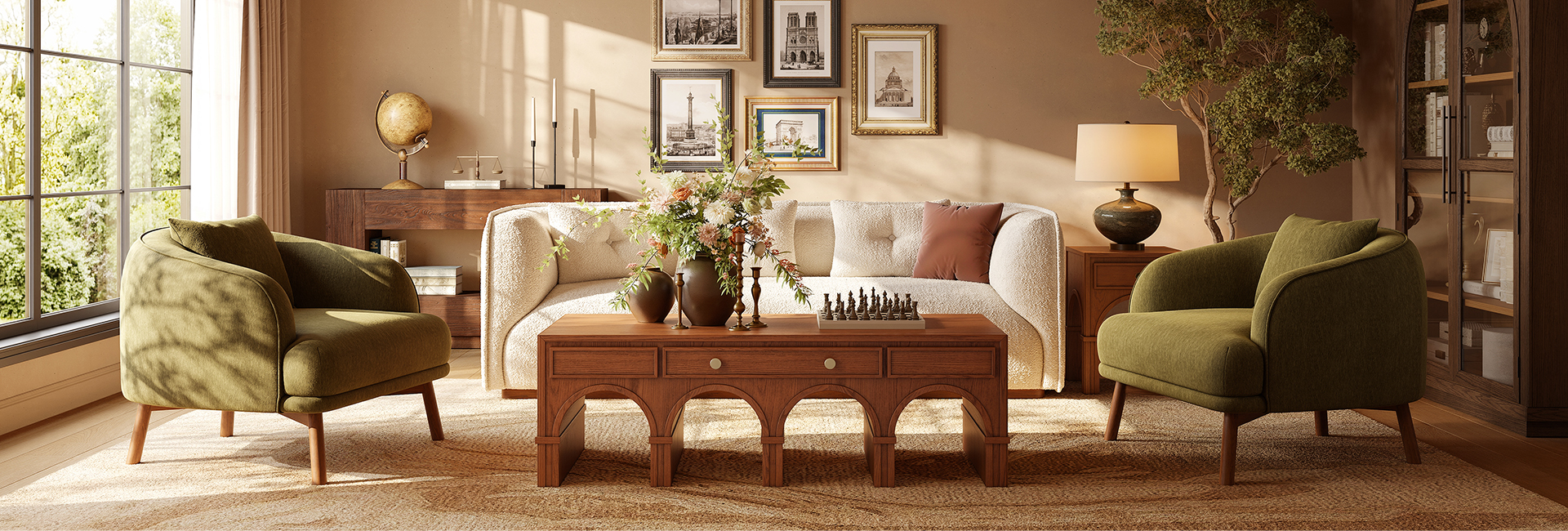
Quiet luxury—often called the Old Money aesthetic—is an interior design approach rooted in understated elegance, timeless appeal, and quality craftsmanship. Instead of bold statements or trend-driven pieces, it focuses on restraint, balance, and materials that age beautifully.
This style is often described as a warmer evolution of minimalism: less stark, more relaxed, and far more inviting. Think refined,
European-inspired interiors that feel calm and elevated—but never stiff or showy.
If you love elegant, stately spaces with a modern edge—and want to avoid the cost and effort of sourcing true antiques—antique-inspired modern furniture is the key. With the right selections, you can achieve the quiet luxury look through thoughtful furniture choices alone. Let’s explore the core elements of the Old Money aesthetic—and how to bring them into your home with modern furnishings.
Layered, Tactile Textures
One of the most important principles of the Old Money aesthetic is richness through texture—not excess. These spaces are typically uncluttered, with only a few focal furniture pieces. What elevates them is material depth:
Natural wood grains with visible variation
Stone surfaces
Upholstery in linen, velvet, wool, or leather
Soft patterns like subtle stripes, plaids, or florals
Furniture should feel substantial but not flashy—think tailored sofas, gently tufted seating, refined armchairs, and solid wood tables with a sense of weight and permanence.
How to apply it with furniture:
Choose fewer pieces, but prioritize materials you can feel. A stone-accented coffee table, a softly upholstered sofa, or a textured wood side table adds quiet richness without visual noise.
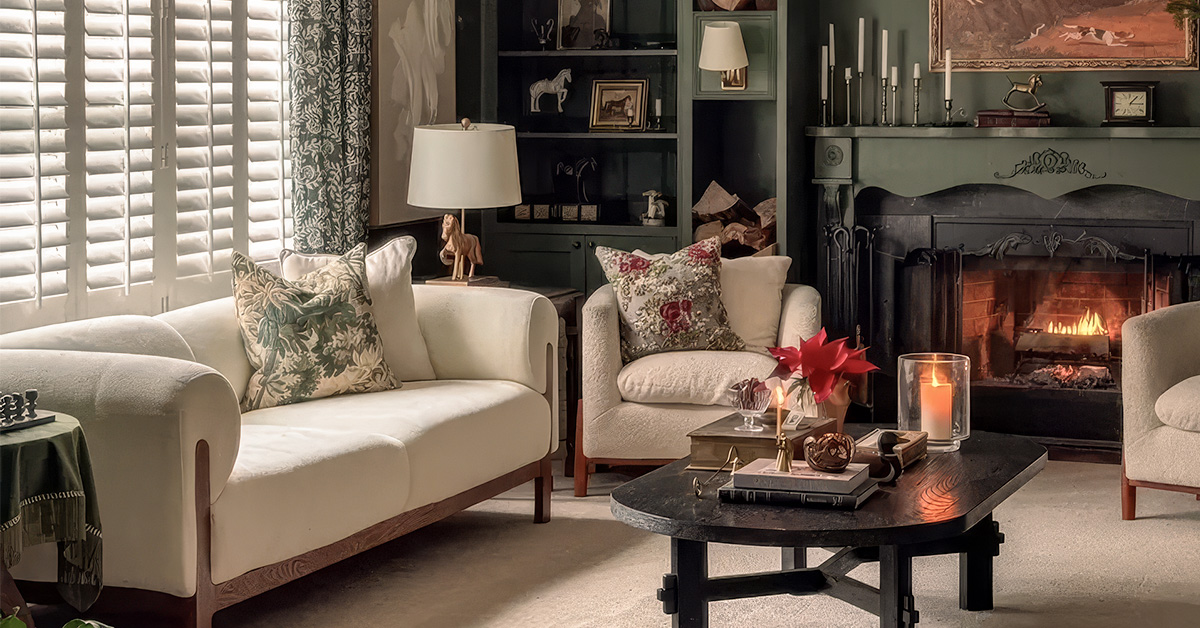
HERNEST Polaris Sofa in the living room of @acarriedaffairdesigns
Architectural Influence (Without Remodeling)
Traditional Old Money interiors are known for architectural features like crown molding, wainscoting, arches, and coffered ceilings. But if you’re not renovating, furniture can do much of this work for you.
Look for:
Furniture with strong vertical or horizontal lines
Soft curves, arches, and framed silhouettes
Paneled doors, fluted fronts, or recessed detailing
These elements echo classic architecture and add depth and structure to a room—especially in modern homes or apartments.
How to apply it with furniture:
Cabinet, media console, coffee table, sideboard, that with fluted panels, framed drawer fronts, or subtle curves can introduce architectural character without permanent changes.
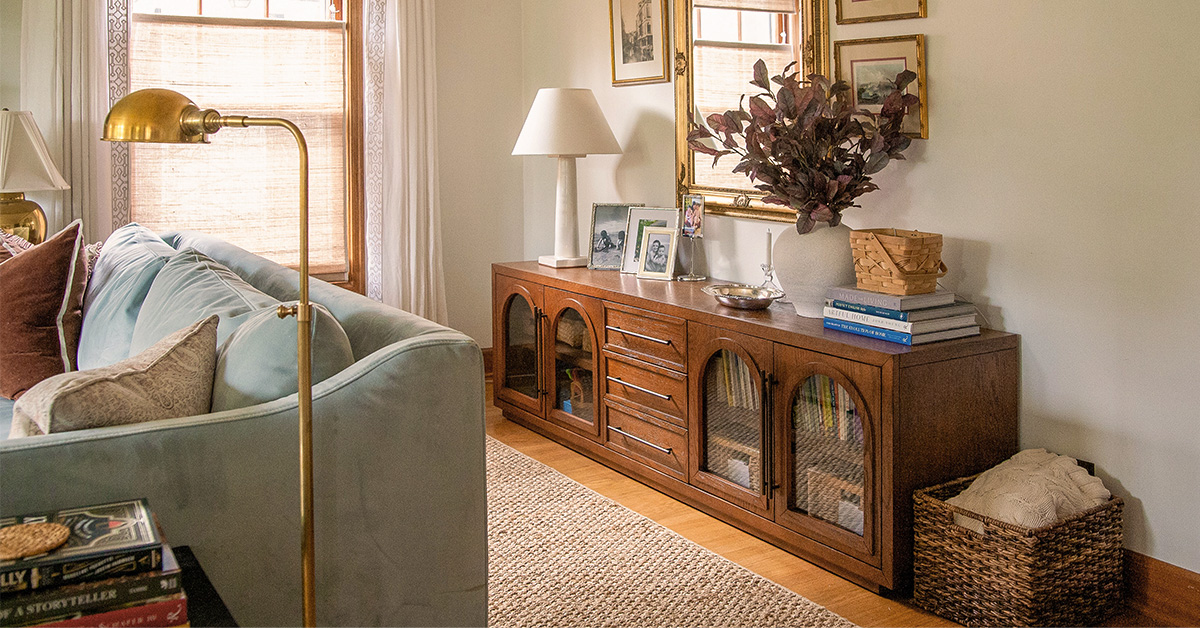
Hernest Lira Oak Media Console in the living room of @suzannahstanley
Timeless, Muted Color Palettes
Quiet luxury interiors rely on colors that feel enduring, not seasonal.
Common Old Money tones include:
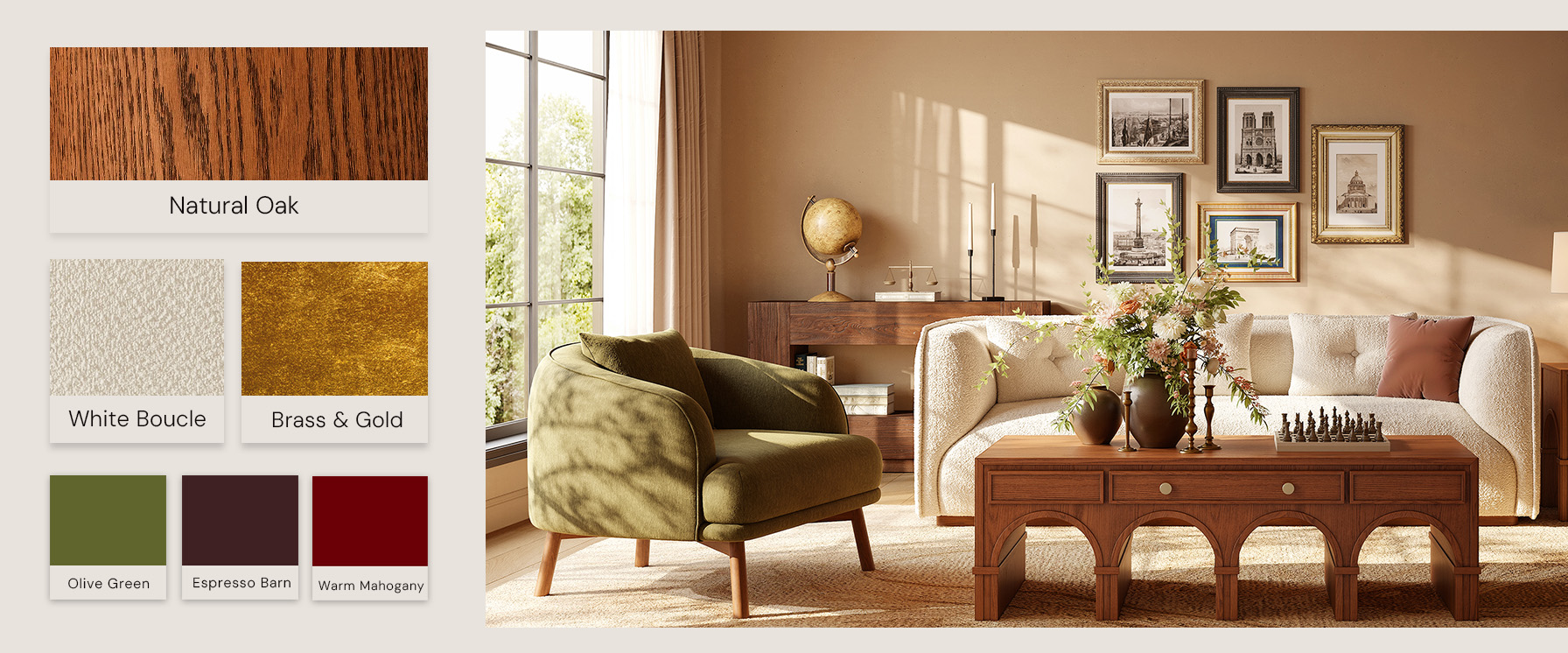
Deep greens, warm mahogany, navy, and muted blues
Warm browns and rich wood tones
Charcoal, taupe, cream, and soft beige
These hues create a grounded, serene atmosphere and allow craftsmanship and materials to stand out.
How to apply it with furniture:
Anchor your space with neutral furniture—warm wood finishes, upholstered pieces in beige or soft grey—and layer in darker tones sparingly. Avoid high-contrast or overly trendy colors that date quickly.
Thoughtful Artwork & Decor (Less, but Better)
Artwork plays an important role in Old Money interiors, but it’s never overwhelming. The focus is on:
Classic compositions: landscapes, portraits, still lifes
Substantial frames or understated traditional molding
Sculptural objects, ceramic vessels, and mirrors with history-inspired forms
Every piece feels intentional, not decorative for decoration’s sake.
How to apply it with furniture:
Let furniture provide the foundation, then style lightly. A credenza with one framed artwork, a sculptural lamp, and a single ceramic piece feels far more luxurious than an overfilled surface.
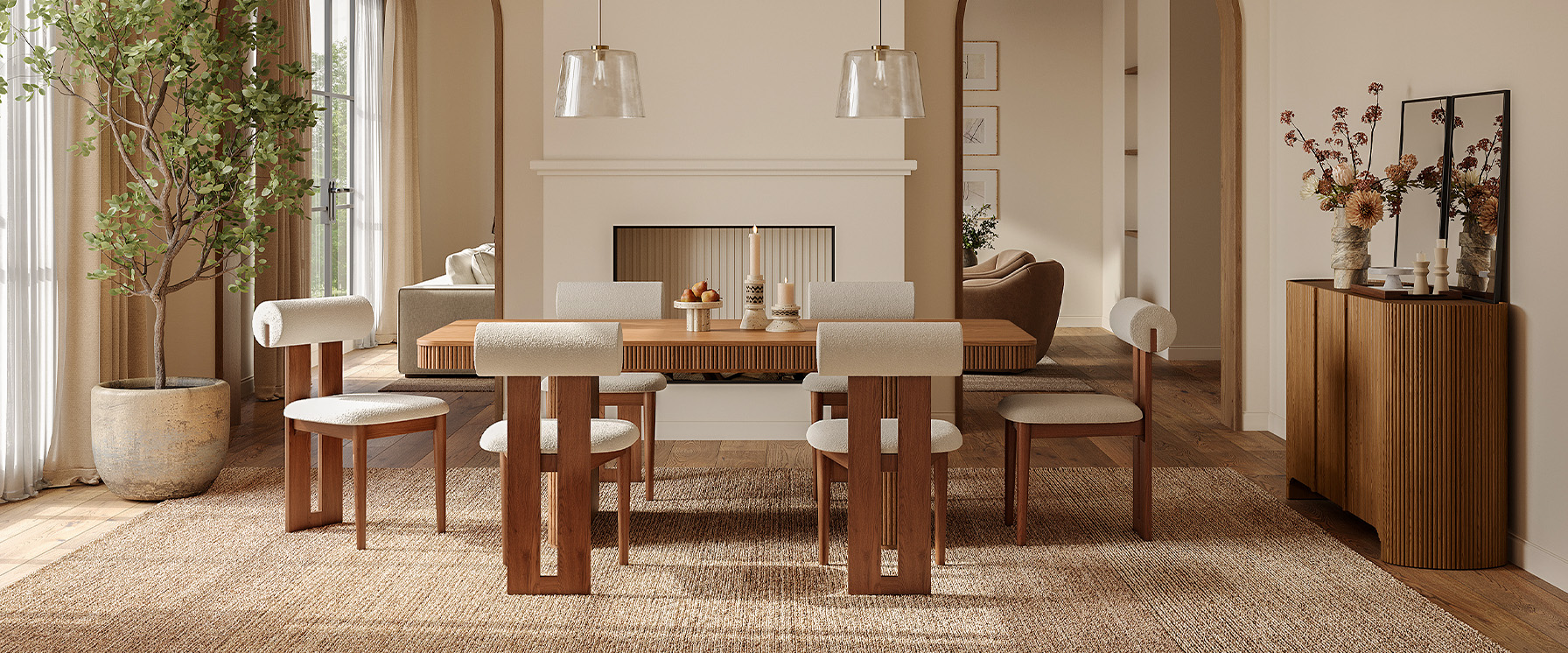
How to Achieve Quiet Luxury with Modern Furniture
You don’t need authentic antiques or a grand estate to embrace the Old Money aesthetic. The key is choosing modern furniture that borrows from tradition—in materials, proportions, and restraint.
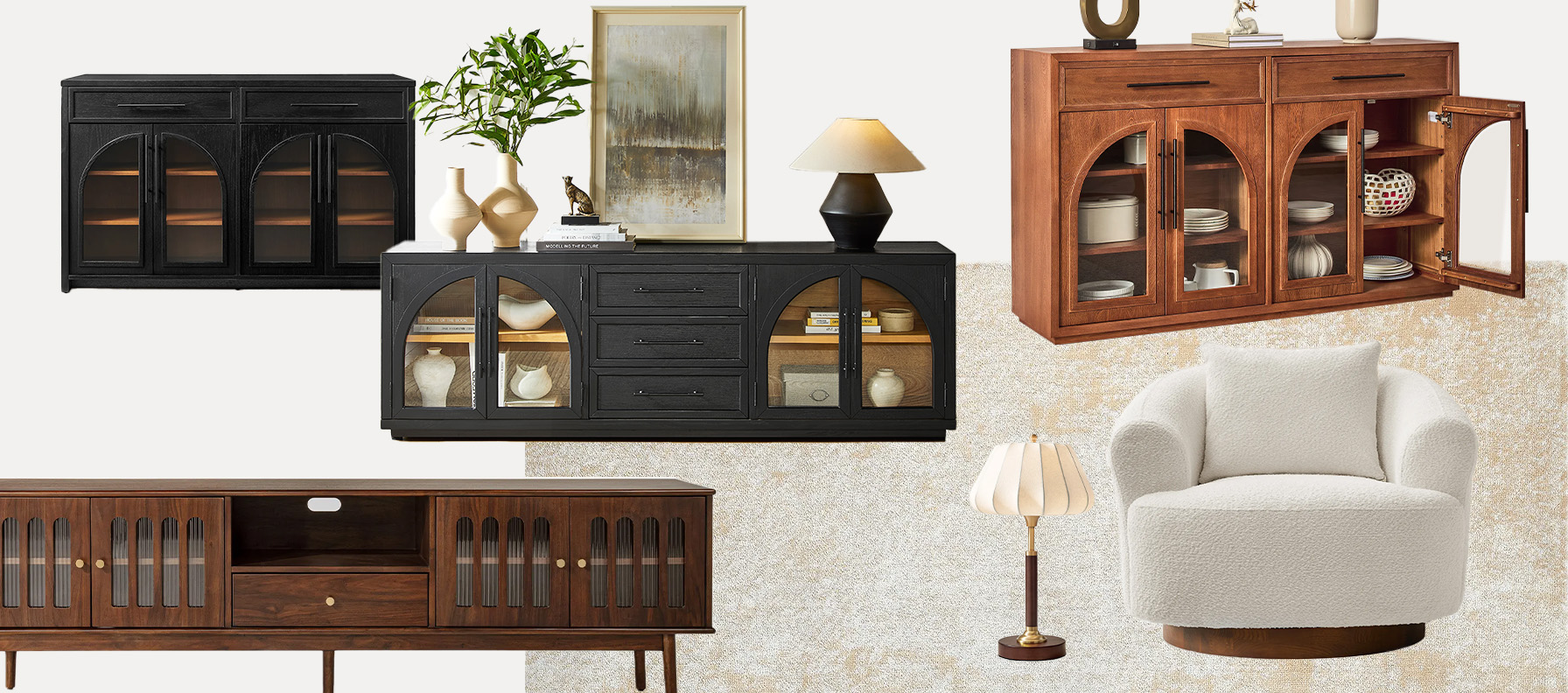
Valborg Collection – Architectural Aesthetics
An iconic collection defined by its see-through arched doors. The architectural lines feel elegant and intentional, adding refined detail and timeless character to your room.
Sofa in Shape and Tactile – Anchor the Tone
A timeless sofa in a beige palette anchors the space beautifully. Paired with an accent piece—such as a deep green upholstered chair or a leather accent chair—it completes the look with depth, contrast, and quiet sophistication.
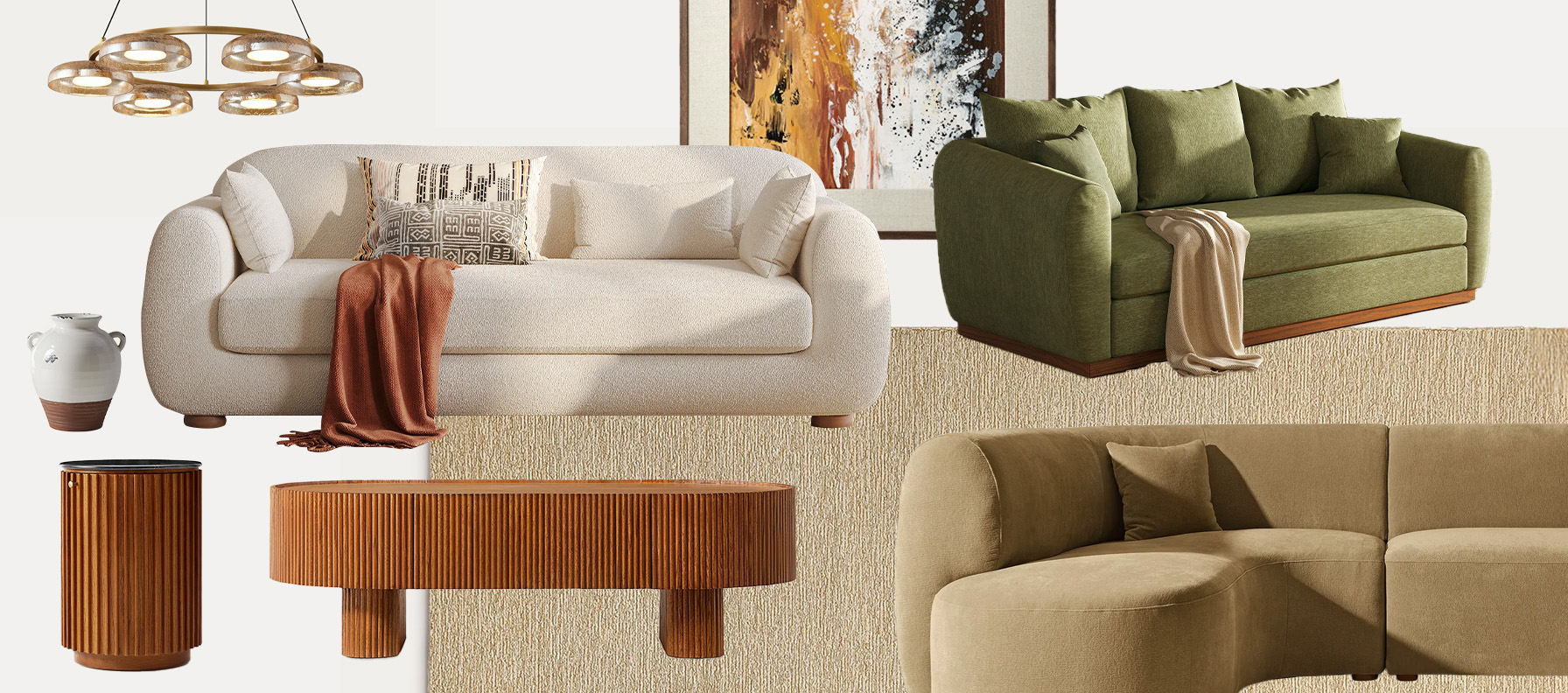
HERNEST has a wide range of seating choices