If you’ve ever wiped down a wooden table only to notice dull spots, sticky residue, or a cloudy finish afterward, you already know the truth: it’s not just about cleaning wood furniture—it’s about cleaning it the right way.
This article is a field-tested, expert-level breakdown of how to clean wood furniture safely, remove buildup that’s been there for years, and maintain everything from dining chairs to solid wood TV stands without damaging the finish.
You’ll also learn exactly how to clean wood furniture properly, how to deal with stains, and when cleaning is no longer enough and repair is the smarter move.
Let’s get into it.
Why Proper Wood Furniture Cleaning Matters
The Difference Between Cleaning and Restoring Wood Furniture
Cleaning wood furniture removes surface dirt, grease, and dust. Restoring wood furniture, however, involves fixing oxidation, scratches, worn finishes, and deep discoloration.
Most homeowners confuse the two. They scrub harder, use stronger chemicals, and unintentionally damage the finish instead of improving it.
When you understand how to clean wood furniture properly, you protect the original finish instead of stripping it away.
How Dirt, Dust, and Moisture Slowly Damage Wood Finishes
Dust may look harmless, but it acts like fine sandpaper. Over time, it scratches finishes, especially on high-use pieces like dining tables and chairs.
Moisture is even more dangerous. As noted by furniture care specialists, excessive water exposure is one of the leading causes of finish clouding, swelling, and long-term warping in solid wood pieces.
This is why learning how to clean wood furniture properly is less about effort and more about control.
Why Most Wood Furniture Damage Happens During Cleaning
Ironically, most damage doesn’t come from daily use—it comes from cleaning mistakes:
Oversaturating cloths
Spraying cleaner directly onto surfaces
Using vinegar or ammonia-based solutions
Scrubbing aggressively on stains
If you want to clean wood furniture safely, gentleness always beats strength.
Know Your Wood Furniture Before You Start Cleaning
Before you begin to clean wood furniture, one mistake can change everything: treating every wooden surface the same way. In practice, furniture behaves differently depending on structure, finish, and construction method. Understanding these differences is the foundation of how to clean wood furniture properly without damaging its surface.
Solid Wood vs Wood Veneer Furniture
Solid wood is made from natural timber throughout, which means it can tolerate slightly more moisture and minor refinishing. Wood veneer, however, has a thin decorative layer over engineered core materials. If over-wet or scrubbed aggressively, the veneer can lift, bubble, or peel.
Quick comparison:
If you're unsure, always assume it’s veneer when you clean wood furniture—that keeps you on the safer side.
Finished, Painted, Waxed, and Unfinished Wood Surfaces
Not all finishes react the same way:
Finished wood (lacquer/polyurethane): Most resistant; ideal for standard cleaning routines
Painted wood: Sensitive to abrasion; color may chip under harsh wiping
Waxed wood: Easily dulled by heat or strong cleaners
Unfinished wood: Absorbs liquid instantly; requires dry cleaning methods first
This is why professionals always evaluate the surface before they clean wood furniture properly.
Why Cleaning Methods Vary by Furniture Type
A dining table collects food oils, while a TV stand accumulates dust and heat residue. A dresser often holds hand oils and cosmetics near handles. Because each exposure is different, the cleaning approach must change accordingly.
For example, how you clean wood furniture properly in a kitchen-adjacent dining area is very different from a low-use bedroom piece.
Common Wood Furniture Pieces That Need Different Care
Dining tables: Frequent wiping, grease control
Dining chairs: Focus on arms and joints where oils build up
Old dressers: Gentle cleaning to protect aging finishes
TV stands: Dust-heavy zones near electronics and vents
Sideboards & buffets: Mixed exposure to food, dust, and humidity
Each piece requires a slightly different rhythm when you clean wood furniture, especially in real households where usage is uneven and unpredictable.

How to Clean Wood Furniture Properly
Knowing how to clean wood furniture properly is less about effort and more about sequence. When each step is done in the right order, you remove dirt safely without weakening the finish, dulling the surface, or pushing moisture into the grain. Below is a practical, real-world method used in furniture care routines to help you clean wood furniture without unnecessary risk.
Step 1: Remove Dust Before Using Any Cleaner
Dust removal is non-negotiable. Skipping it turns dust into an abrasive layer that scratches the surface when wet cleaning begins.
Use a dry microfiber cloth or a soft dusting pad and always move along the grain. For detailed areas like carved edges or chair joints, a soft-bristle brush works better.
Example: On a dining table used daily, you may notice fine dust mixed with crumbs near edges. If you apply liquid cleaner directly, that debris can drag across the finish and create micro-scratches.
Step 2: Prepare a Safe Cleaning Solution
A safe solution is simple:
Warm water
A few drops of mild dish soap
Avoid harsh chemicals or anything acidic.
This balanced approach is essential when you clean wood furniture properly, especially on sealed surfaces.
Step 3: Wipe Along the Wood Grain
Always follow the direction of the grain. This reduces visible streaking and prevents unnecessary wear on the finish.
Think of the grain as the “natural brush direction” of the wood. Wiping against it is like forcing dirt deeper into surface texture instead of lifting it out.
For example, long strokes across a solid wood dresser front help maintain a uniform finish, while circular scrubbing can leave uneven shine patches.
Step 4: Never Saturate the Surface
Wood and water don’t mix well over time. Even finished surfaces can absorb moisture through seams, joints, and edges.
A proper cloth should be damp—not dripping.
Key rule when you clean wood furniture properly:
If water can drip, it’s too wet
If the surface looks shiny from moisture, it’s too much
Excess liquid often causes:
Swelling at joints
Cloudy finish
Long-term warping
This is especially important for older or veneered furniture.
Step 5: Dry Immediately With a Clean Cloth
Drying is not optional—it’s part of the cleaning process.
Use a separate dry microfiber cloth right after wiping. Do not let water air-dry on the surface.
This step prevents:
Water spots
Residue streaks
Finish clouding
A good habit in any routine to clean wood furniture properly is to treat drying as the final “polishing pass.” On frequently used pieces like dining chairs or sideboards, this step is what keeps the surface looking consistently smooth instead of patchy over time.
The Best Products to Clean Wood Furniture
Choosing the right tools matters as much as technique when you clean wood furniture. The wrong product can strip finishes, while the right one helps preserve the natural grain and extend furniture life.
Microfiber Cloths
Microfiber cloths are the safest everyday tool. Their fine fibers trap dust instead of spreading it, reducing micro-scratches on finished surfaces.
They are especially useful when you regularly clean wood furniture in high-use areas like dining tables and TV stands.
Mild Soap and Water
A simple mix of warm water and a few drops of mild soap remains the most reliable cleaning solution for sealed wood. It removes oils and light grime without damaging finishes.
This is the go-to method when you clean wood furniture properly at home.
Wood-Specific Cleaners
Specialized wood cleaners are designed to lift buildup while maintaining finish balance. They are useful for periodic deep cleaning but should not replace routine gentle care.
Murphy's Oil Soap: When It Works and When It Doesn't
This type of cleaner can be effective on sealed wood when diluted correctly. It helps remove sticky residue and light grime. However, overuse may leave a film that dulls the surface over time. For antique or delicate finishes, caution is essential when you clean wood furniture properly with it.
Products You Should Never Use on Wood Furniture
Some products cause irreversible damage even after a single use:
Harsh chemicals may seem effective short-term, but they compromise long-term durability when you clean wood furniture repeatedly.
How to Remove Years of Grime From Wood Furniture
When you try to clean wood furniture that hasn’t been properly maintained for years, what looks like “dirt” is often a mix of grease, dust layers, oxidized polish, and environmental residue. The key is not scrubbing harder—it’s identifying what you’re actually dealing with and working in controlled steps.
Signs of Built-Up Grime and Residue
Old grime doesn’t always look obvious at first. Common signs include:
A sticky or slightly tacky surface
Uneven sheen or dull patches
Dark buildup around handles or edges
A “cloudy” finish that doesn’t improve with wiping
In many homes, this buildup is most visible on dining tables, chair arms, and frequently touched cabinet fronts. If regular cleaning fails, it usually means the layer is deeper than surface dust and requires a structured approach to clean wood furniture properly.
Safe Deep-Cleaning Method
Start simple and escalate carefully:
Dust thoroughly to remove loose particles
Use a lightly damp cloth with mild soap solution
Work in small sections—never the entire surface at once
Wipe immediately after each pass
This slow, controlled process prevents moisture absorption while allowing you to safely clean wood furniture without stripping the finish.
When Grime Is Actually Old Wax or Polish Build-Up
Not all residue is dirt. Over time, repeated polishing products can create a layered film that feels greasy or waxy.
A quick check:
If the surface smears instead of cleaning, it’s likely buildup
If dullness improves temporarily but returns quickly, residue is present
In these cases, gentle repetition is more effective than stronger cleaners when you clean wood furniture properly.
When Professional Restoration Is the Better Option
Sometimes cleaning reaches its limit. If you notice:
Finish discoloration that doesn’t improve
Deep staining inside the grain
Sticky surfaces even after repeated cleaning
Visible finish breakdown
Then the issue is no longer surface-level grime. At that point, restoration—not cleaning—is the safer path to preserve the furniture’s structure and appearance.
How to Clean Old Wood Furniture Safely
Old wood furniture behaves differently from modern pieces because the finish has already aged, softened, or partially oxidized. When you clean wood furniture that is decades old, the goal is preservation—not aggressive stain removal. Every step should prioritize stability over appearance correction.
Why Older Furniture Requires Extra Care
Aging finishes become more porous and fragile. Even light moisture can penetrate deeper layers, leading to clouding or uneven color shifts. Many older pieces also have hand-applied finishes that react unpredictably to modern cleaners.
This is why professionals always adjust their method before they clean wood furniture properly, especially for heirloom or inherited items.
Cleaning Antique and Vintage Pieces
Antique and vintage furniture often carries both material and historical value. Over-cleaning can permanently reduce its character.
Typical risk areas include:
Original varnish layers
Hand-finished surfaces
Natural patina buildup
A gentle approach helps maintain authenticity while still allowing basic cleaning.
How to Test the Finish Before Cleaning
Before you begin, always test a hidden area:
Lightly dampen a cloth
Rub a small concealed section
Check for color transfer or surface stickiness
This step is essential before you clean wood furniture properly, especially older pieces with unknown finishes.
The Least Aggressive Cleaning Method First
Always start with dry cleaning:
Soft dust removal
Dry microfiber wipe
Only then introduce a lightly damp cloth
This gradual escalation ensures you never overexpose fragile surfaces while you clean wood furniture.
Warning Signs You Should Stop Cleaning Immediately
Stop immediately if you notice:
Finish becoming cloudy or hazy
Color rubbing off onto the cloth
Surface turning sticky or uneven
Visible dull patches forming quickly
At that point, further cleaning risks permanent damage rather than improvement. For older pieces, restraint is often the most important part of proper care when you clean wood furniture properly.
How to Clean Stains on Wood Furniture
Stains are where most people damage wood furniture—not from daily dusting, but from rushing the wrong cleaning method. To clean wood furniture safely, you need to match the stain type with the right level of intervention instead of using a one-size-fits-all approach.
Water Rings and White Marks
White rings usually come from trapped moisture in the finish, not deep damage. Start with a dry microfiber cloth and gentle circular rubbing. If needed, apply minimal heat through a dry cloth barrier to help release moisture. Avoid soaking the area, which often makes the mark worse.
Sticky Residue and Food Stains
Sticky buildup is common on dining surfaces. Use a lightly damp cloth with mild soap and work slowly in sections. This is one of the most common situations when you clean wood furniture properly, especially on frequently used tables and chairs.
Grease and Oil Spots
Grease requires slightly more attention. A diluted soap solution helps break down oils without stripping the finish. Always wipe dry immediately to prevent absorption into the grain.
Ink and Marker Stains
These stains sit differently depending on finish type. Light surface marks may lift with gentle cleaning, but deeper stains often require repeated soft wiping rather than aggressive scrubbing.
Heat Marks From Hot Cups and Plates
Heat can cloud finishes. Light polishing in controlled motion may reduce visibility, but deep marks may remain. These are common on dining tables that aren’t protected during daily use.
Mold and Mildew Spots
Mold usually appears in humid environments. Use a lightly damp cloth, ensure good ventilation, and dry thoroughly. Moisture control is key when you clean wood furniture properly in these conditions.
When a Stain Has Penetrated the Finish
If discoloration doesn’t improve after gentle cleaning, the stain has likely gone beyond the surface layer. At this point, further scrubbing risks damaging the finish rather than improving it, and restoration—not cleaning—becomes the appropriate step.
How to Clean Dining Chairs Without Damaging Them
Dining chairs experience some of the highest daily wear in the home. Unlike tables, they collect body oils, food residue, dust, and frequent hand contact. Knowing how to clean dining chairs correctly helps preserve both their appearance and structural integrity over time.
Wooden Dining Chair Frames
When cleaning wooden chair frames, start with a dry microfiber cloth to remove dust and crumbs. Follow with a lightly damp cloth if needed, then dry immediately. Avoid excessive moisture around corners and joints, where water can penetrate and weaken the structure.
For households with daily dining use, a quick weekly wipe-down is often enough to prevent buildup and keep wood finishes looking fresh.
Cleaning Carved or Fluted Chair Details
Decorative grooves, fluting, and carved details tend to trap dust and grease. Instead of using excessive moisture, use a soft-bristle brush to loosen debris before wiping.
This approach is particularly important when you clean wood furniture properly, as trapped particles can gradually dull detailed craftsmanship.
How to Remove Food and Grease Buildup
Chair arms, seat edges, and backrests often accumulate oils from hands and food splatters. A mild soap solution applied with a damp cloth can safely remove most residue.
For example, the Hernest Liliana Armrest Leather Dining Chairs feature stain-resistant and spill-resistant PU leather upholstery, making everyday cleanup much easier. Most spills can be removed before they have a chance to settle into the surface, reducing the need for aggressive cleaning.
Caring for Upholstered Dining Chairs
Upholstered chairs require attention to both the frame and seating material. Regular vacuuming prevents crumbs and debris from collecting in seams.
For PU leather surfaces like those found on the Liliana Armrest Leather Dining Chairs, use a soft damp cloth and avoid abrasive cleaners that may damage the textured finish.
Cleaning Around Joints and Hardware
Chair joints, armrest connections, and metal components often collect hidden dust. Use a soft brush or microfiber cloth to clean these areas gently.
Regular inspection is equally important. Loose hardware, trapped debris, and neglected joints can shorten the lifespan of dining chairs long before the upholstery or finish shows visible wear. Proper maintenance ensures your dining seating remains comfortable, stable, and attractive for years to come.
How to Care for a Solid Wood Dining Table
A solid wood dining table is often the most frequently used piece of furniture in a home. From family meals and homework sessions to holiday gatherings, it experiences constant contact, spills, temperature changes, and daily wear. Following a consistent maintenance routine helps preserve its appearance and extend its lifespan for years.
Daily Cleaning Routine
The simplest way to protect a dining table is to clean it after each use. Remove crumbs and dust with a soft microfiber cloth, then wipe away spills immediately before moisture has a chance to penetrate the surface.
When you clean wood furniture properly, remember that a lightly damp cloth is usually all that's needed. Excess water should always be avoided.
Weekly Maintenance Checklist
Set aside a few minutes each week to:
Remove dust from edges and corners
Check for sticky residue or food buildup
Wipe the entire surface with a mild cleaning solution
Inspect the base and legs for dirt accumulation
Consistent maintenance prevents small issues from becoming difficult-to-remove stains.
Protecting Against Scratches and Water Rings
Water rings and scratches remain two of the most common causes of cosmetic damage. Use coasters under beverages, placemats during meals, and felt pads beneath decorative objects.
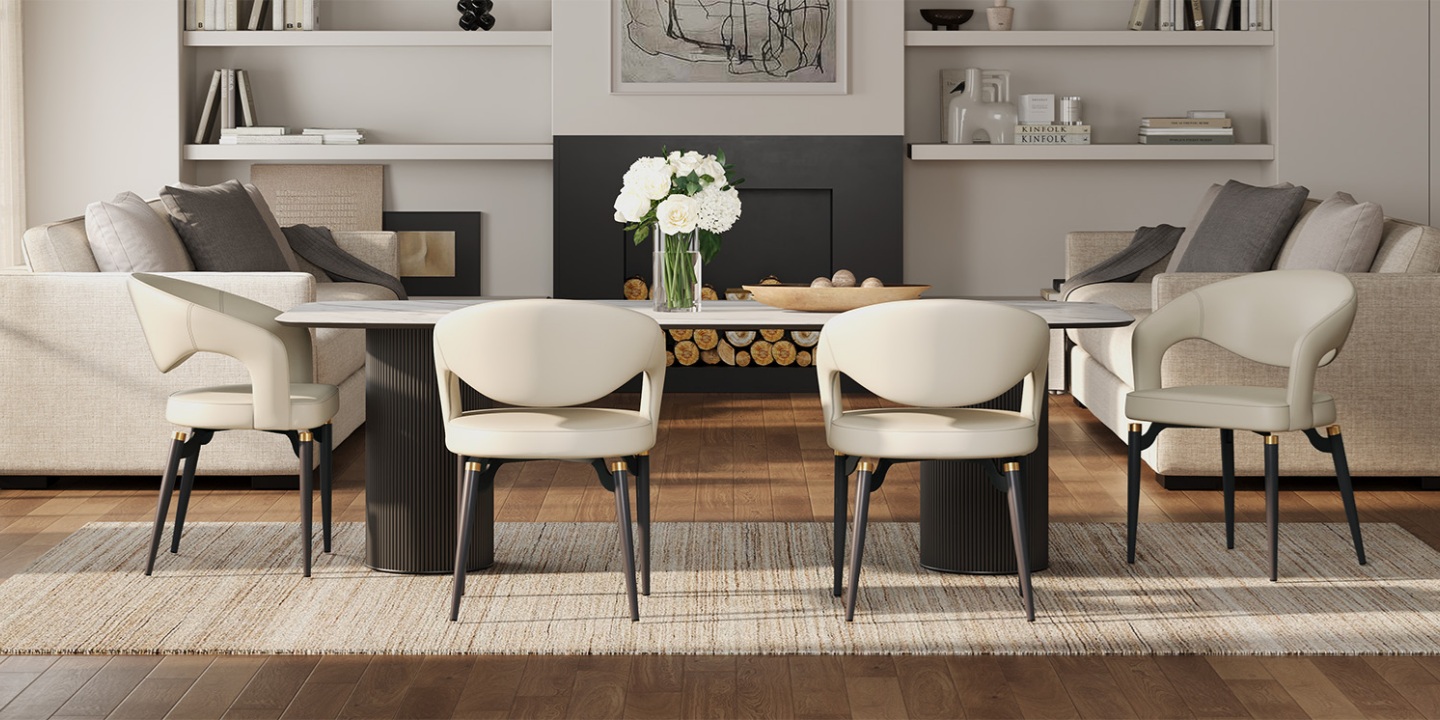
For dining tables featuring premium surfaces, such as the Hernest Thorsten 84" Oval Dining Table, the sealed engineered stone top offers excellent resistance to everyday moisture and staining. However, protective habits are still important for preserving both the tabletop and its beautifully finished wood base.
Seasonal Maintenance for Solid Wood Furniture
Wood naturally responds to environmental changes. During dry seasons, lower humidity can cause minor shrinkage, while humid conditions may lead to expansion.
Maintain indoor humidity levels between approximately 35% and 55% whenever possible to minimize seasonal movement.
When to Reapply Wax or Conditioner
Not every table requires regular waxing. Reapply a wood conditioner or protective treatment only when the finish begins to appear dry, dull, or uneven.
A good rule of thumb: if routine cleaning restores shine, additional products are unnecessary. Proper cleaning and environmental control remain the most effective long-term strategy for preserving the beauty of solid wood furniture.
How to Care for a Solid Wood TV Stand
A TV stand does much more than support a screen. It houses electronics, manages cables, stores accessories, and constantly collects dust generated by devices. Because of this unique environment, maintaining a solid wood media console requires a slightly different approach than other furniture pieces. Proper care helps preserve both the wood finish and the performance of your entertainment setup.
Dusting Electronics and Wood Together
Dust tends to accumulate where electronics and furniture meet. Screens, speakers, gaming consoles, and streaming devices continuously attract airborne particles, which eventually settle on wood surfaces.
When you clean wood furniture, use a dry microfiber cloth first, working from the electronics outward. This prevents dust from being pushed into vents, seams, or storage compartments.
Preventing Heat Damage From Devices
Heat is one of the most overlooked threats to wood furniture. Devices that run continuously can gradually warm the surrounding surface, potentially affecting the finish over time.
To reduce risk:
Leave adequate airflow around electronics
Avoid blocking ventilation openings
Turn off unused devices when possible
Keep heat-generating equipment away from direct wood contact
Managing Cable Areas That Collect Dust
Cable management zones often become hidden dust traps. Regularly inspect spaces behind the console and remove accumulated debris with a soft brush or vacuum attachment.
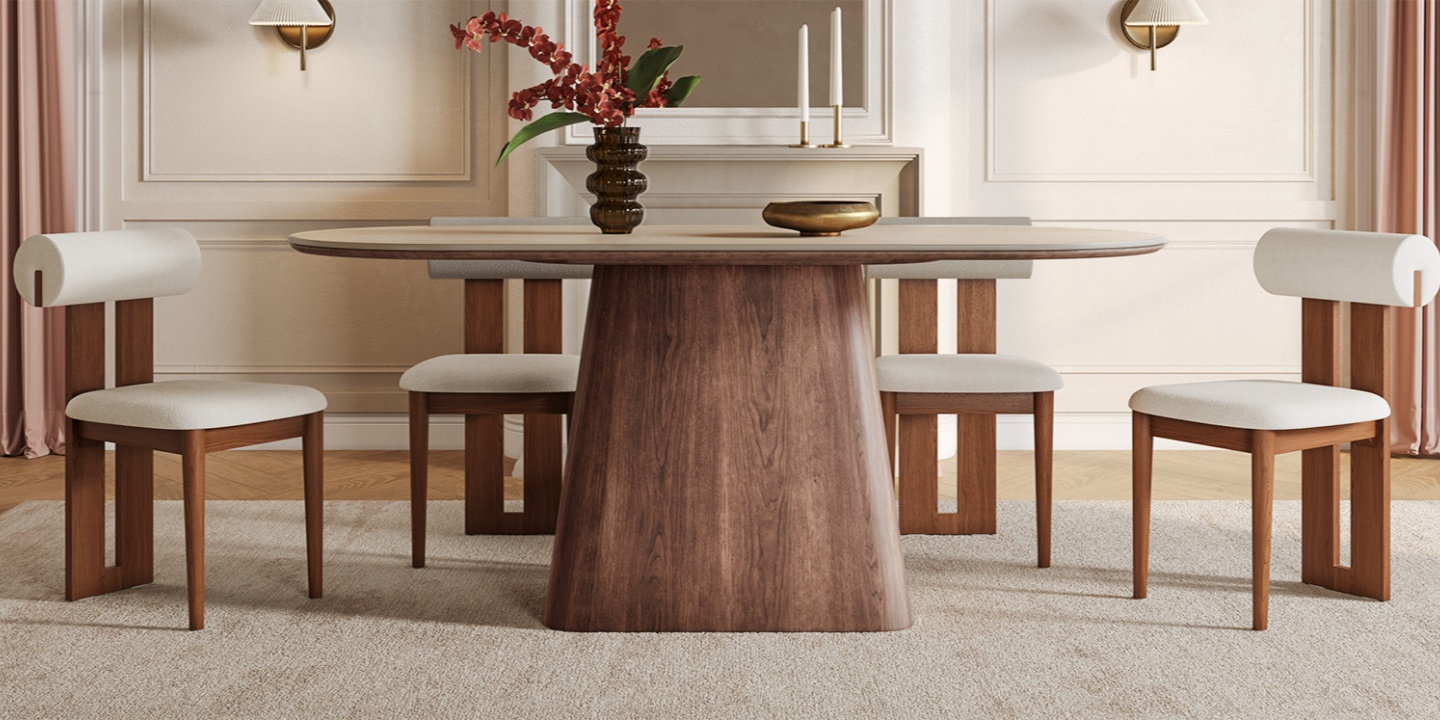
For example, the Hernest Valborg 80" Oak Media Console features two cord cutouts designed to help organize cables, making it easier to maintain cleaner airflow and reduce dust buildup behind entertainment equipment.
Cleaning Around Vents and Storage Compartments
Storage compartments and adjustable shelving areas should be cleaned monthly. Remove stored items, dust thoroughly, and wipe surfaces with a lightly damp cloth if necessary.
Avoid allowing dust to accumulate near ventilation areas, as restricted airflow can increase device temperatures.
Long-Term Protection Tips for Solid Wood TV Stands
To extend the life of a solid wood media console:
Keep it away from direct sunlight
Maintain stable indoor humidity
Clean spills immediately
Dust consistently rather than deep-cleaning infrequently
Inspect hardware and moving components annually
For oak furniture with wire-brushed grain details and kiln-dried construction, consistent maintenance helps preserve the texture, finish depth, and structural stability that make solid wood pieces attractive for years of daily use.
Common Mistakes That Ruin Wood Furniture
Many furniture problems blamed on age are actually caused by improper maintenance. In fact, professionals often find that damage occurs during cleaning rather than everyday use. If you want to clean wood furniture properly, avoiding these common mistakes is just as important as following the right cleaning routine.
Using Too Much Water
Wood naturally reacts to moisture. Excess water can seep into seams, joints, and exposed grain, causing swelling, warping, or finish clouding over time.
Warning signs of water damage:
Raised grain
White haze on the finish
Swollen edges
Loose joints
The safest approach when you clean wood furniture is to use a damp cloth rather than a wet one.
Spraying Cleaner Directly Onto Furniture
Many people spray cleaner straight onto a tabletop or cabinet surface. Unfortunately, this often leaves excess liquid sitting on the finish.
Instead:
Spray the cleaner onto a cloth.
Wipe the furniture gently.
Dry immediately.
This simple habit significantly reduces moisture-related risks.
Using the Wrong Cleaning Products
Not every household cleaner is suitable for wood surfaces.
When learning how to clean wood furniture properly, product selection matters as much as technique.
Over-Polishing the Surface
More polish does not mean better protection. Excessive polishing can create residue buildup that attracts dust and leaves surfaces looking cloudy or greasy.
For most furniture, regular dusting and occasional maintenance are more beneficial than frequent polishing.
Ignoring Sunlight and Humidity
Environmental conditions affect wood every day, even when nobody touches it.
Direct sunlight may cause:
Fading
Uneven coloration
Finish deterioration
Meanwhile, fluctuating humidity levels can lead to expansion and contraction that stresses joints and panels.
Cleaning Too Aggressively
One of the biggest mistakes people make when trying to remove stains is scrubbing harder instead of cleaning smarter.
Avoid:
Excessive pressure
Stiff brushes
Repeated abrasive rubbing
A gentle, patient approach is usually far more effective when you clean wood furniture properly. In most cases, multiple light cleaning passes will protect the finish better than a single aggressive attempt, helping preserve the beauty and durability of wood furniture for years to come.
Expert Maintenance Schedule for Wood Furniture
One of the easiest ways to clean wood furniture and extend its lifespan is to follow a consistent maintenance schedule. Small, routine tasks prevent dust buildup, finish wear, and moisture-related damage long before they become costly problems.
Daily Tasks
Daily care only takes a few minutes but makes a significant difference over time.
Recommended habits:
Wipe up spills immediately
Remove crumbs and surface debris
Use coasters and placemats consistently
Check for standing water or condensation
These simple actions help prevent stains and reduce the need for intensive cleaning later.
Weekly Tasks
Set aside time each week to:
Dust all exposed surfaces
Clean high-touch areas such as chair arms and drawer fronts
Inspect furniture for new scratches or marks
Weekly maintenance is a key part of how to clean wood furniture properly and helps preserve the finish.
Monthly Cleaning
Once a month, perform a deeper cleaning routine:
Dust thoroughly
Wipe surfaces with a mild cleaning solution
Clean corners, edges, and decorative details
Dry all surfaces immediately afterward
This removes oils and residue that daily dusting may miss.
Seasonal Care
Wood naturally expands and contracts with humidity changes.
Every season:
Monitor indoor humidity levels
Reposition furniture away from prolonged direct sunlight
Check for signs of drying, swelling, or finish stress
Annual Inspection Checklist
A yearly inspection helps identify minor issues before they require repair, keeping wood furniture attractive, functional, and well-maintained for years to come.
When Wood Furniture Needs Repair Instead of Cleaning
Not every furniture problem can be solved by trying to clean wood furniture more thoroughly. In many cases, visible damage is a sign that the issue extends beyond surface dirt and requires repair or refinishing. Knowing the difference can prevent accidental damage and help preserve the value of your furniture.
Surface Scratches
Minor surface scratches often look worse than they are, especially under direct light. Light marks may be concealed through routine maintenance, but deeper scratches that expose raw wood typically require repair rather than cleaning.
Common signs of deeper damage:
Visible grooves
Rough texture
Exposed wood fibers
Fading and Discoloration
Uneven color changes are usually caused by prolonged sunlight exposure rather than dirt buildup.
Cleaning may improve appearance slightly, but it will not restore lost color.
Water Damage
Water damage often appears as swelling, bubbling, or cloudy areas beneath the finish. Once moisture penetrates the wood, simply trying to clean wood furniture will not reverse the structural effects.
Cracked Wood
Cracks occur due to age, seasonal movement, or prolonged exposure to dry conditions. Surface cleaning can remove debris from the crack, but stabilization or repair is usually necessary.
Loose Joints
Wobbly chairs, unstable table legs, and shifting cabinet frames indicate mechanical wear rather than a cleaning issue. Addressing loose joints early helps prevent larger structural failures.
Finish Failure
When a finish begins peeling, flaking, blistering, or wearing away unevenly, cleaning is no longer the solution. In these situations, further scrubbing may actually accelerate deterioration.
A good rule of thumb: if repeated attempts to clean wood furniture properly fail to improve the surface, the furniture likely needs repair, refinishing, or professional restoration instead of additional cleaning.
Final Thoughts: Keep Wood Furniture Beautiful for Decades
To clean wood furniture correctly is not about using more products—it’s about using fewer, better techniques consistently. Once you understand how to clean wood furniture properly, you extend the life of every piece in your home, from dining chairs to TV stands.
Frequently Asked Questions
What is the best thing to clean wood furniture with?
For most finished wood surfaces, the safest option is a microfiber cloth combined with a small amount of mild soap diluted in warm water. This method removes dust, fingerprints, and light grime without damaging the finish. Avoid abrasive cleaners, excessive moisture, and harsh chemicals.
How do you remove years of grime from wood furniture?
Start by dusting thoroughly, then clean the surface with a lightly damp cloth and a mild soap solution. Work in small sections and dry immediately after wiping. If the furniture remains sticky or cloudy, the buildup may be old polish or wax rather than dirt.
Can I use Murphy's oil soap on wood furniture?
Yes, it can be used on many sealed wood surfaces when properly diluted. However, it should not be considered a universal solution. Always test a hidden area first, especially on older furniture, and avoid excessive use that may leave residue over time.
How to care for a solid wood TV stand?
Dust weekly, keep electronics properly ventilated, and wipe spills immediately. Avoid placing the furniture in direct sunlight or near heat sources. Consistent cleaning and stable indoor humidity help preserve both the finish and structural integrity.
Can you use Dawn dish soap on a wood table?
Yes. A few drops of mild dish soap mixed with warm water is generally safe for cleaning finished wood tables. The cloth should be damp rather than wet, and the surface should always be dried immediately afterward.
What's the best way to clean a wooden dresser?
Remove dust first, then wipe with a microfiber cloth lightly dampened with a mild soap solution. Pay extra attention to drawer fronts, handles, and corners where oils and dust tend to accumulate.
How often should you clean wood furniture?
Dusting once a week is recommended for most homes. Deep cleaning can typically be performed once a month, while spills and stains should be addressed immediately to prevent long-term damage.
Is vinegar safe for cleaning wood furniture?
Vinegar is not usually the first choice for wood furniture. While heavily diluted vinegar may be safe on some sealed surfaces, frequent use can gradually dull finishes. Mild soap and water remain the safer option for routine care.
What causes white spots on wood furniture?
White spots are typically caused by moisture or heat trapped beneath the finish. Common sources include hot mugs, plates, and water left on the surface for extended periods. In many cases, the damage affects the finish rather than the wood itself.
Can water damage wood furniture permanently?
Yes. Excess moisture can cause swelling, warping, finish failure, discoloration, and loose joints. The longer water remains on the surface, the greater the risk of permanent damage.
How do you keep wood furniture looking new?
Regular dusting, immediate spill cleanup, controlled indoor humidity, and protection from direct sunlight are the most effective long-term strategies. Consistent maintenance is far more effective than occasional deep cleaning.
Should you polish wood furniture regularly?
Not necessarily. Over-polishing can create residue buildup that attracts dust and leaves surfaces looking cloudy. Most wood furniture benefits more from regular cleaning and occasional polishing only when the finish begins to appear dull or dry.