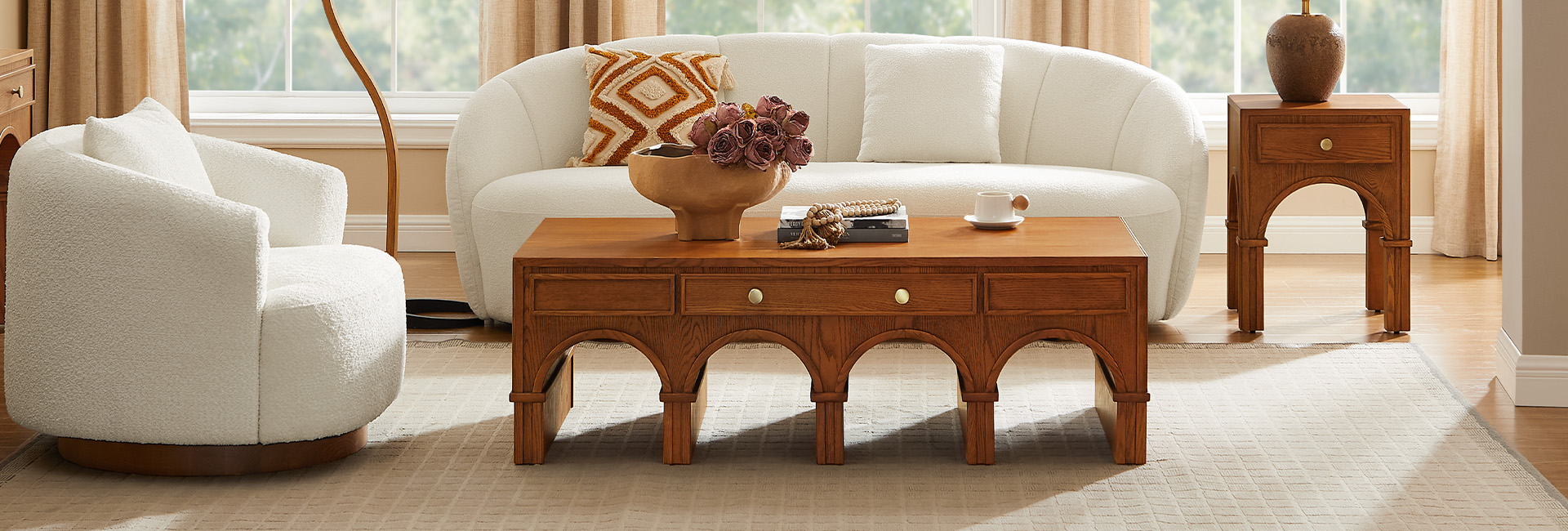
The coffee table is the center of your living room action—holding your morning brew, your stack of design books, and the remote control during movie night. It's a functional workhorse and a stylistic anchor. Choosing the right one can make your space feel put-together and inviting, while the wrong choice can throw off the entire room's flow and function.
If you're wondering where to start, you're in the right place. This comprehensive guide goes beyond the basics, delving into the "why" behind the rules. We'll cover everything from the fundamental 2/3 rule to niche questions like what type of coffee table makes a room look bigger and how to choose the perfect size for an L-shaped sectional. By the end, you'll be equipped to find a coffee table that is as hardworking as it is beautiful.
What to Consider When Buying a Coffee Table?
Before you fall in love with a specific style, it's crucial to assess your needs and your space. A successful coffee table choice balances form and function perfectly. Here are the five key factors to evaluate:
Sofa Size & Scale: This is your primary constraint. A massive coffee table will overwhelm a small loveseat, and a tiny table will look lost in front of a sprawling sectional. The goal is balance.
Room Scale & Flow: Consider the overall size of your living room. In a smaller room, you'll want a table with a lighter visual weight—think glass, acrylic, or a piece with slim, tapered legs. In a larger room, you can handle a chunkier, more substantial piece that grounds the space.
Walkway Clearance: Function is king. Ensure there's enough space to walk around the table comfortably. You should leave at least 18 to 24 inches of clearance between the coffee table and other furniture (like sideboards or walls) to maintain a good traffic flow.
Lifestyle & Storage Needs: Be honest about how you live. Do you need hidden storage for remotes, coasters, and children's toys? A lift-top or a table with drawers might be your best friend. Do you love to decorate and frequently rearrange? A simple, open table or a set of nesting tables offers maximum flexibility.
Visual Weight: A design concept that separates good rooms from great ones. Visual weight refers to how heavy a piece of furniture feels in a space. A solid, dark wood table has high visual weight; a light, glass-topped table has low visual weight. Your coffee table should complement the visual weight of your sofa and other pieces.
The 2/3 Rule for Coffee Tables Explained (And How to Use It)
You've likely heard of the 2/3 rule, but let's break down exactly what it is, how to apply it, and when you can break it.
What Is the 2/3 Rule for Coffee Tables?
Simply put, the 2/3 rule is a design guideline that suggests your coffee table should be approximately two-thirds the length of your sofa. This proportion creates a visually balanced and harmonious arrangement. The table is long enough to be useful for everyone on the sofa, but not so long that it overwhelms the seating area.
For example:
A 84-inch sofa pairs perfectly with a 56-inch coffee table.
A 72-inch sofa would ideally suit a 48-inch coffee table.
This is why a search for "56 coffee table" is so popular—it's the mathematically ideal size for a standard 84- to 90-inch sofa.
What Is the 2/3 Rule in Furniture Layout?
This principle extends beyond just sofas and coffee tables. It's a core concept in interior design for creating pleasing proportions. You'll also see it applied to:
Area Rugs: A rug should be large enough that at least the front legs of your sofa and chairs can sit on it. This anchors the furniture grouping.
Dining Tables: A chandelier or pendant light over a dining table should be about two-thirds the width of the table for proper scale.
Artwork: A piece of art above a sofa or console table looks best when it's roughly two-thirds the width of the furniture below it.
When to Break the 2/3 Rule
Rules are made to be broken, especially in design. The 2/3 rule is an excellent starting point, but your specific layout may call for something different.
For Deep Sectionals: If you have an extra-deep sofa, a slightly shorter table can make it easier to reach your drink from a seated position.
For Small Spaces: In a very compact room, a slightly smaller table (closer to half the sofa length) can prevent the space from feeling cramped.
For Modular Sofas: If you have a large, modular sectional, you might opt for two smaller coffee tables or a set of nesting tables to serve different zones of the sofa.
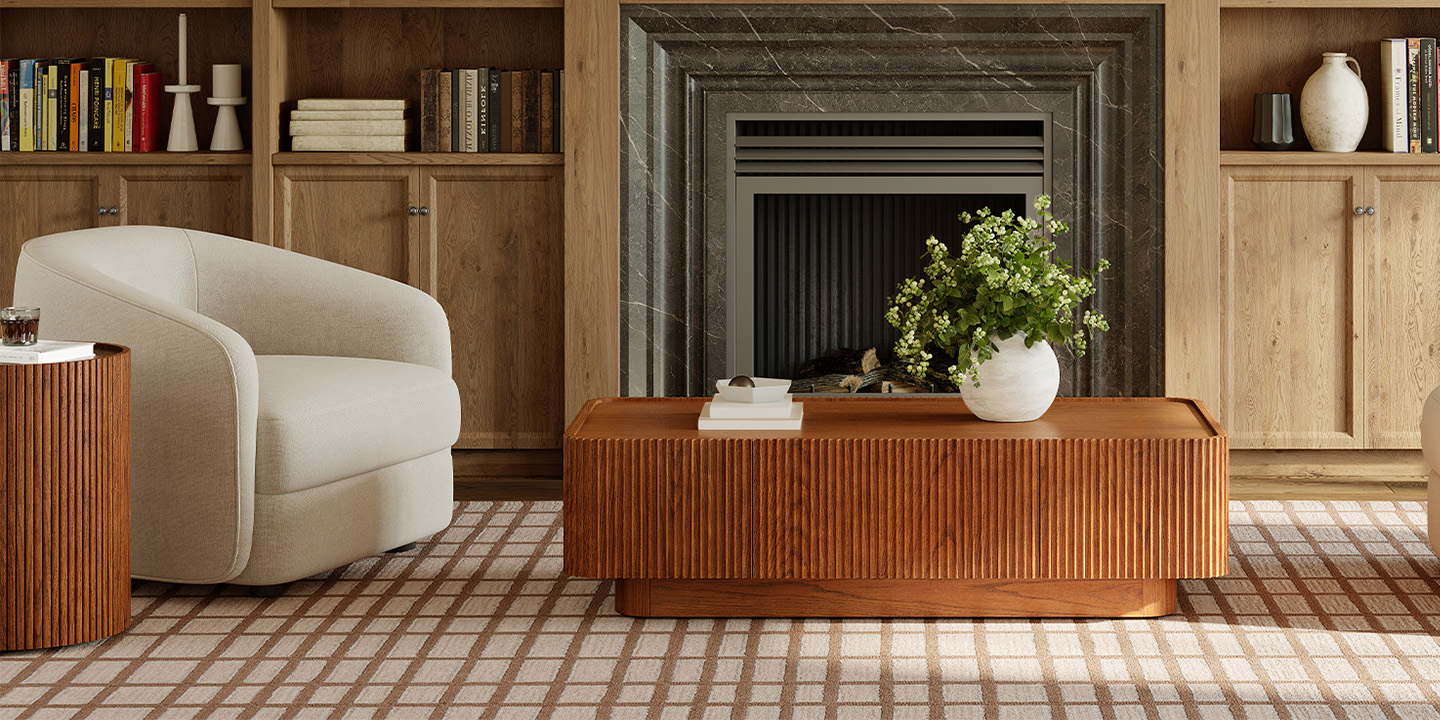
HENREST Pick: Skimra 55" Oak Coffee Table
Coffee Table Size Guide
While the 2/3 rule governs length, a great coffee table fit depends on three dimensions: length, width/depth, and height. Here is a handy guide to help you visualize the right fit.
| Sofa Length | Ideal Coffee Table Length | Ideal Coffee Table Height | Distance from Sofa |
|---|---|---|---|
| 60" - 72" | 40" - 48" | 16" - 18" | 14" - 18" |
| 72" - 84" | 48" - 56" | 16" - 18" | 14" - 18" |
| 84" - 96" | 56" - 64" | 16" - 18" | 14" - 18" |
| 96"+ (Sectional) | 60" - 72"+ or multiple tables | 16" - 18" | 14" - 18" |
What Size Coffee Table for a Sectional?
Sectionals present a unique challenge because of their L-shape. The goal is to serve both sides of the sofa without blocking the natural flow of the room.
What Size Coffee Table for an L-Shaped Sectional?
For an L-shaped sectional, you have two excellent options:
A Large Square or Round Table: Place a generously sized square or round table in the "pocket" of the L. This creates a natural gathering point and is accessible from both sides of the sectional. A round table, in particular, softens the strong lines of the L-shape and promotes easy movement.
Two Smaller Tables (or Nesting Tables): This is a highly versatile and stylish solution. Place one table in front of the main sofa section and another in front of the chaise or longer leg. This creates defined zones and allows for flexibility when entertaining. A set of nesting tables is perfect for this, as you can pull one out for extra surface space when needed.
For a large L-shaped sectional, a 56-inch square or round table is often a perfect starting point. The Casimir Coffee Table from HERNEST, with its clean lines and spacious top, would serve as a stunning and functional anchor for a sectional setup.
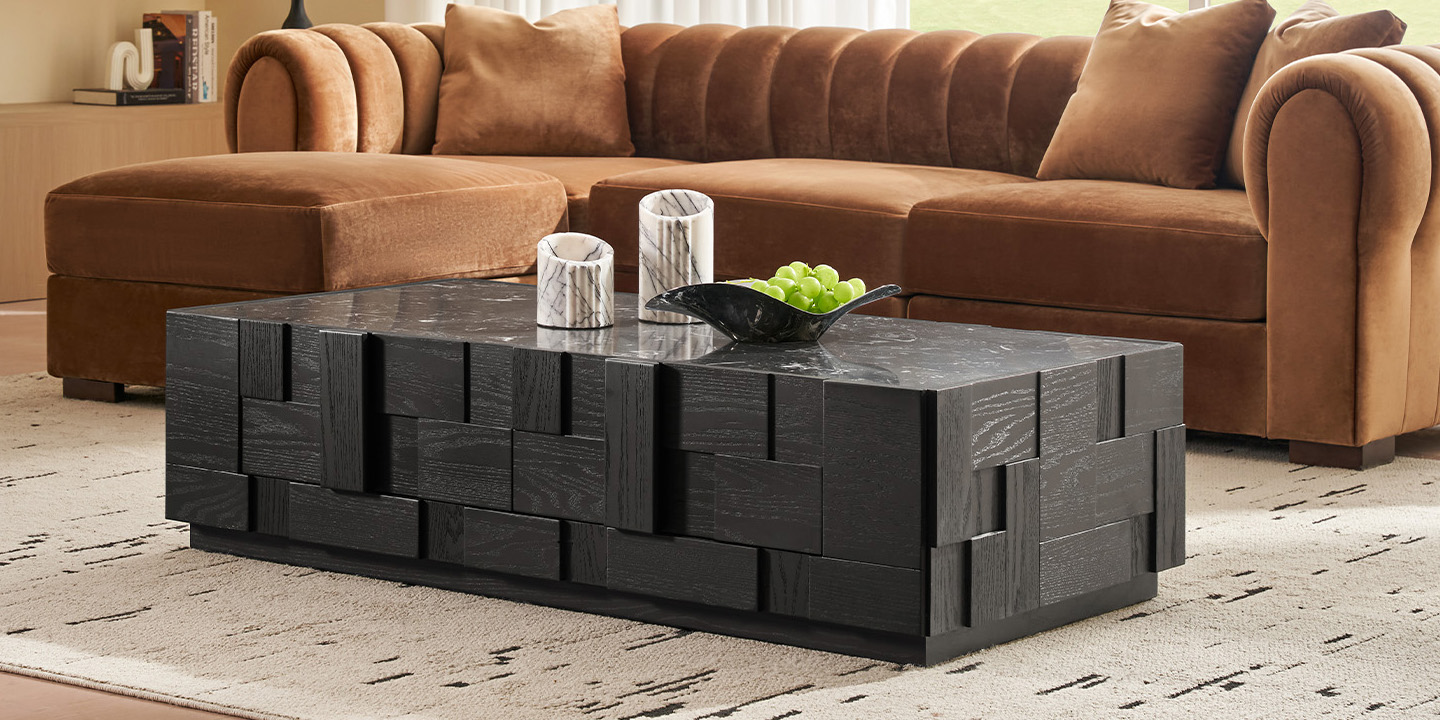
HENREST Pick: Casimir 56-Inch Coffee Table
How to Choose the Right Coffee Table Shape
The shape of your coffee table is just as important as its size. It dictates flow, function, and the overall feel of the room.
Rectangular Coffee Tables: The classic choice. They are the most versatile and work best in front of standard, straight sofas. They offer maximum surface area and create a clean, linear look.
Round Coffee Tables: The flow-enhancers. Round tables are fantastic for small spaces, as they have no corners to bump into and allow for easy traffic flow. They are also ideal for curved sectionals or for creating a more conversational, circular seating arrangement.
Square Coffee Tables: The statement-makers. A square coffee table works best in large, open rooms or squarely in front of a large, deep sofa. It makes a bold, symmetrical statement but requires ample space to avoid feeling cramped.
Oval Coffee Tables: The best of both worlds. Oval tables offer the long surface area of a rectangle but with the soft, safe edges of a round table. They are perfect for narrow living rooms or family spaces where children are present.
What Type of Coffee Table Makes a Room Look Bigger?
This is a crucial question for many homeowners. To make a room feel larger, you want to minimize visual obstruction. The best choices are:
Round or Oval Tables: Their curved lines allow the eye to travel around them, preventing visual "blockage" that can make a space feel smaller.
Glass or Acrylic Coffee Tables: These materials are virtually invisible, taking up zero visual space. They reflect light and create an airy, open feel.
Tables with Open Bases: Look for tables with slender legs or an open framework, rather than a solid, blocky base. This allows you to see more of the floor and rug, creating a sense of depth.
Nesting Tables: These offer flexibility. You can keep them nested to save space, then pull them out when you need extra surface area. Their smaller individual scale is less imposing than one large table.
For a look that adds texture without visual weight, consider the Stavn MCM Fluted Coffee Table. Its raised design and fluted details add depth and character while maintaining an airy feel, making it a stunning and functional choice for a variety of spaces.
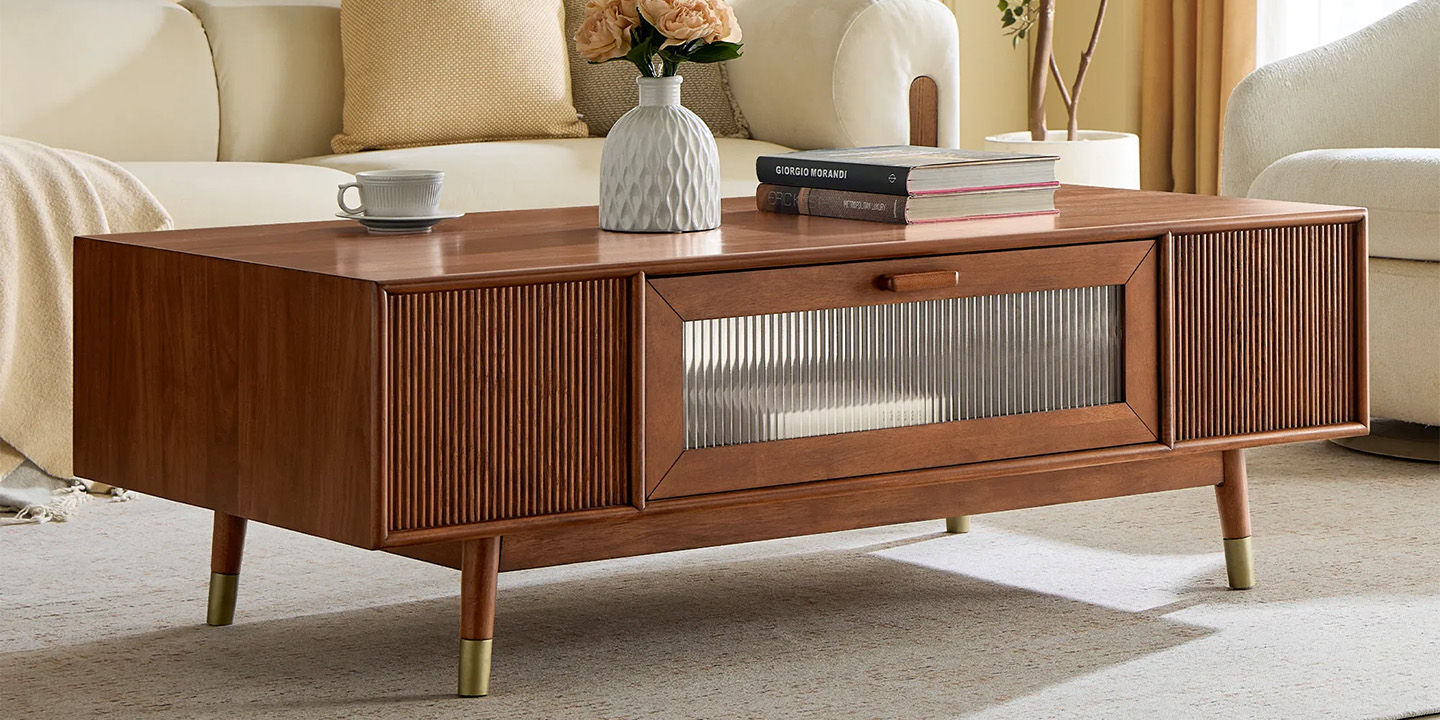
HENREST Pick: Stavn MCM Fluted Coffee Table
Coffee Table Styles: From Traditional to Modern
Your coffee table is an opportunity to reinforce your room's style. Let's look at some popular aesthetics.
Traditional Coffee Table Styles
Traditional coffee tables are characterized by classic details, warm woods, and a sense of timeless elegance. Look for:
Materials: Rich, dark woods like mahogany, cherry, or walnut.
Details: Turned legs, carved ornamentation, scalloped edges, and inlaid veneers.
Overall Feel: Formal, grounded, and substantial.
For a piece that brings unique, organic texture to a traditional or eclectic space, the Colle Burl Coffee Table is a showstopper. The dramatic burl wood pattern is a classic detail that feels both vintage and fresh.
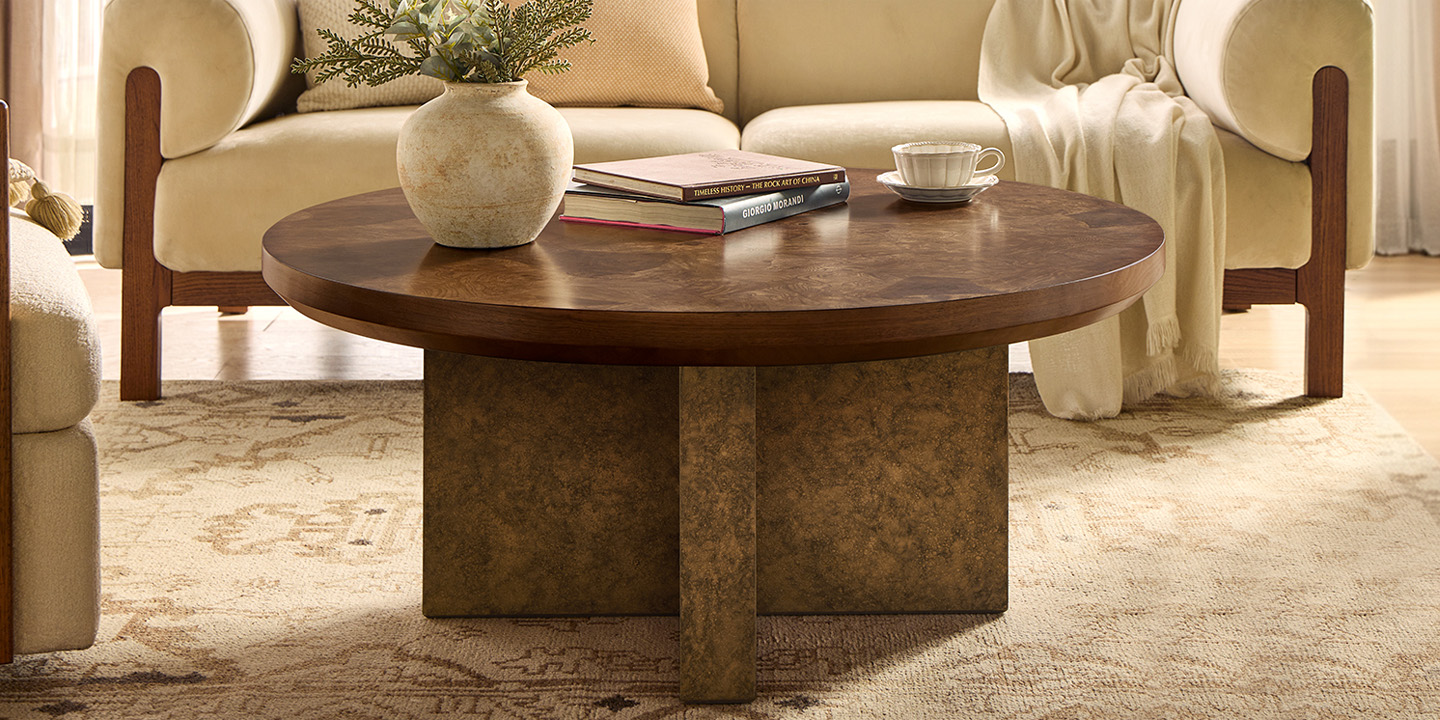
HENREST Pick: Colle 42-Inch Burl Coffee Table
Modern & Contemporary Styles
Modern design emphasizes clean lines, minimal ornamentation, and a mix of materials. Think mid-century modern, industrial, and minimalist aesthetics. Key features include:
Materials: Metals (brass, chrome, black steel), glass, marble, and light woods like oak.
Details: Tapered legs, sleek silhouettes, and a focus on function.
Overall Feel: Airy, curated, and effortlessly chic.
For a touch of modern luxury, texture is key. The Renata Travertine-Textured Coffee Table features a textured finish that mimics the look and feel of natural stone, adding a layer of tactile and visual interest that is both contemporary and timeless.
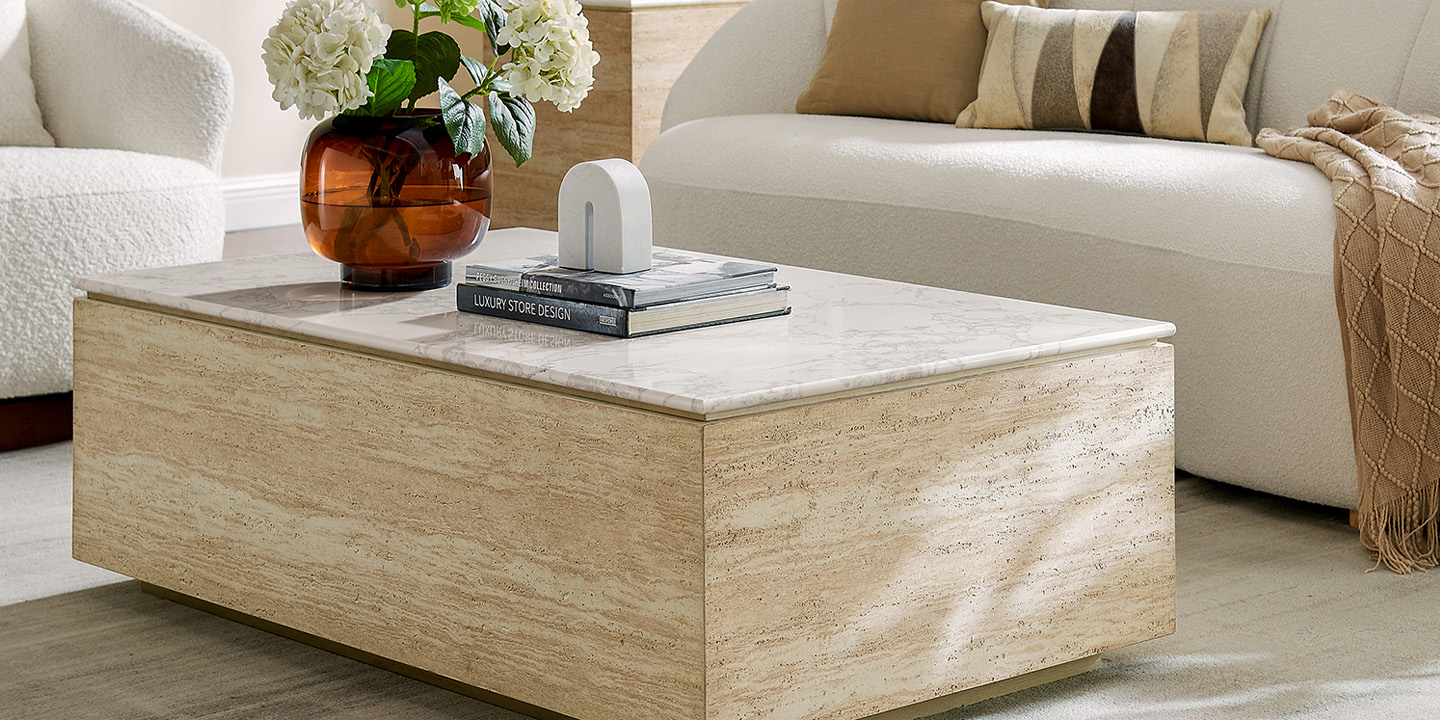
HENREST Pick: Renata 47-Inch Travertine-Textured Coffee Table
Frequently Asked Questions About Coffee Tables
What is the best material for a coffee table?
The best material depends on your lifestyle. For high-traffic family rooms, durable solid wood or scratch-resistant metal are excellent choices. For small spaces where you want to maximize light, glass or acrylic is ideal. If you want a luxurious look and are prepared for some maintenance, marble or stone makes a beautiful statement.
How far should a coffee table be from the sofa?
The ideal distance is between 14 to 18 inches from the sofa edge. This provides enough room to walk or sit comfortably while still being close enough to easily place down a drink or book.
What is the 2/3 rule for coffee tables?
The 2/3 rule states that your coffee table should be about two-thirds the length of your sofa to create a balanced look. For example, an 84-inch sofa pairs well with a 56-inch coffee table.
What size coffee table is best for a small living room?
In a small living room, opt for a round or oval coffee table to improve flow. Keep the scale slightly smaller—closer to half the length of your sofa. A glass-top or acrylic table with a slim profile will also help the space feel larger.
Can I use two coffee tables together?
Absolutely! Using two smaller coffee tables, a set of nesting tables, or even two matching ottomans is a fantastic way to add flexibility and style to a living room, especially with large sectionals.
By considering size, shape, style, and your own living habits, you can find a coffee table that doesn't just fill space, but truly enhances your home. Start with the dimensions of your room and sofa, use the 2/3 rule as your guide, and then have fun selecting a piece that reflects your personal style. Happy hunting!