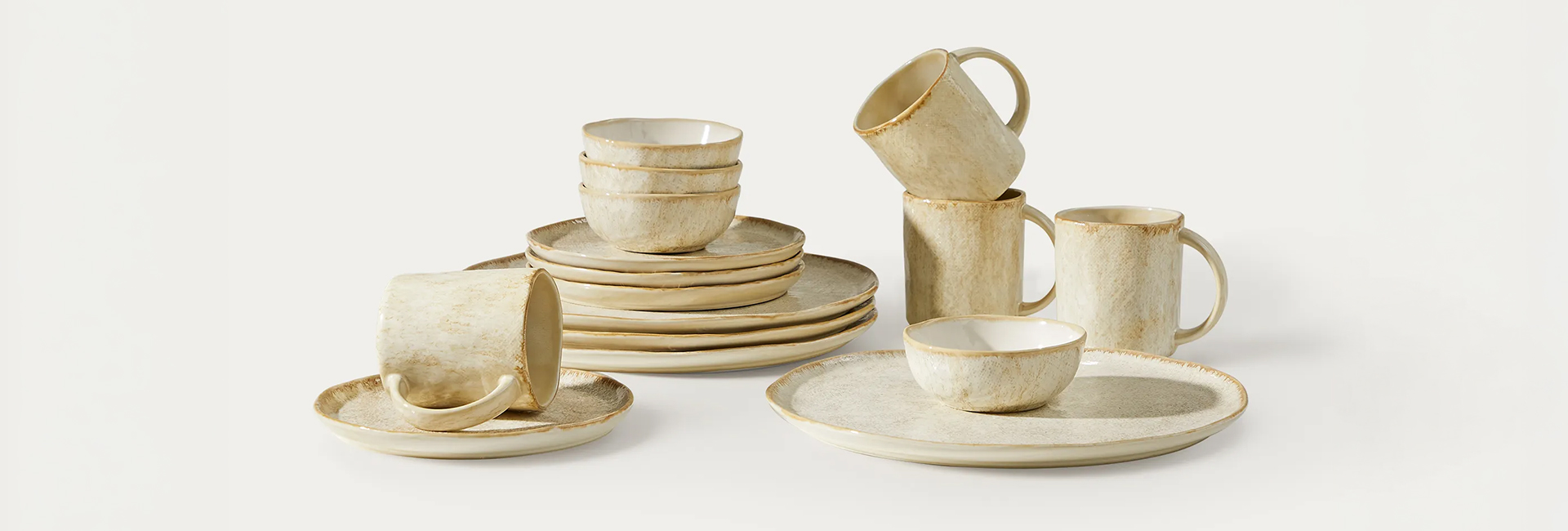
If you are setting a new table or simply replacing old dishware, one of the most common and confusing questions is: "How big is a dinner plate?" It seems simple, but with terms like "luncheon plate," "charger," and "side plate" floating around, it is easy to get lost.
To answer the primary question immediately: A standard dinner plate typically measures between 10 and 12 inches (approximately 25 to 30 centimeters) in diameter.
However, the "right" size depends on how you use it. This comprehensive guide breaks down all dinnerware dimensions—from inches to centimeters and millimeters—to help you choose the perfect plate for every occasion. We will cover salad plates, dessert plates, and answer the most frequently asked questions about plate sizes.
Table of Contents
- What Is the Standard Size of a Dinner Plate?
- Is a 10 Inch Plate a Dinner Plate? Understanding the 10-Inch Standard
- Are Dinner Plates 9 Inches? The "Luncheon" Distinction
- Is a 7 Inch Plate a Dinner Plate? Common Uses for Smaller Plates
- How Big Is a Salad Plate vs. a Dessert Plate?
- Dinner Plate Size in Inches, CM, and MM
- How Plate Size Affects Portion Size and Diet
- Dinner Plate vs. Salad Plate vs. Charger: Knowing the Difference
- How to Choose the Right Plate Size for Your Table
- FAQs
- What size is a standard dinner plate in inches?
- How many inches is a dinner plate in cm?
- Is a 10 inch plate a dinner plate?
- Are dinner plates 9 inches?
- What is a 7 inch plate used for?
- How big is a salad plate?
- How big is a dessert plate?
- How big is a side plate in cm?
- What is the best size dinner plate for portion control?
- Do larger plates make food look better?
What Is the Standard Size of a Dinner Plate?
The world of dinnerware is more standardized than you might think. While styles vary, sizes generally fall into specific ranges based on their function. The table below outlines the typical dimensions for the most common types of plates.
Quick Reference: Plate Size Chart
As shown, the dinner plate is the workhorse of your kitchen. A 10-inch plate is the most versatile "all-rounder" for everyday family meals. It provides enough space for a balanced meal without encouraging massive portions. A 12-inch plate is often reserved for formal dining or restaurants where plating presentation and negative space are crucial for aesthetics.
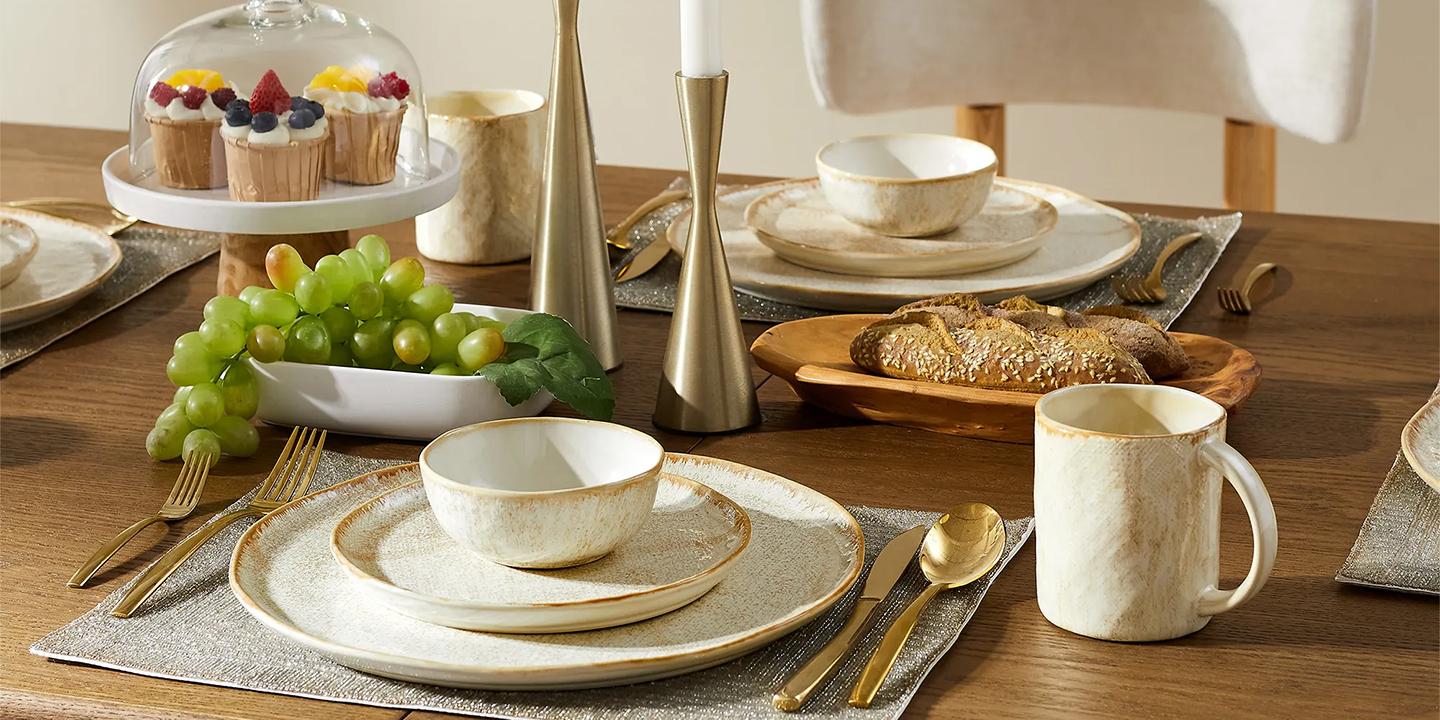
HERNEST Pick: Ashen Ceramic Dinnerware (Set of 16)
Is a 10 Inch Plate a Dinner Plate? Understanding the 10-Inch Standard
Yes, a 10-inch plate is the most common and widely accepted size for a dinner plate.
If you are looking for a single size that works for everything from pasta to roast chicken, 10 inches is your sweet spot. Here is why:
-
Portion Control: It is large enough to hold a protein, a starch, and vegetables without overflowing, but small enough to prevent over-serving.
-
Storage: 10-inch plates almost always fit comfortably in standard kitchen cabinets and dishwashers.
-
Versatility: It bridges the gap between a small "luncheon" plate and an oversized "restaurant-style" platter.
Are Dinner Plates 9 Inches? The "Luncheon" Distinction
No, 9-inch plates are generally not classified as standard dinner plates. A 9-inch plate is typically referred to as a "Luncheon Plate."
While you can eat dinner off a 9-inch plate, you might find it a bit cramped, especially if your meal includes multiple sides. Luncheon plates are perfect for:
-
Midday meals (sandwiches with a small salad).
-
Breakfast or brunch.
-
Children's portions.
-
Diet-conscious meals where you want to visually trick the brain into seeing a full plate with fewer calories.
Is a 7 Inch Plate a Dinner Plate? Common Uses for Smaller Plates
No, a 7-inch plate is absolutely not a dinner plate. If you use a 7-inch plate for a main course, your food will likely spill over the edge.
A 7-inch plate is actually one of the most versatile smaller sizes and can serve several roles:
-
Side Plate: Often called a "bread and butter plate," used for rolls.
-
Dessert Plate: Ideal for a slice of cake or a serving of pie.
-
Large Appetizer Plate: Perfect for a first course or tapas.
How Big Is a Salad Plate vs. a Dessert Plate?
These two sizes often overlap, but there is a slight distinction based on use.
-
Salad Plate: Generally ranges from 7 to 9 inches. An 8-inch or 8.5-inch plate is the standard "salad plate." It is designed to hold a side salad or an appetizer alongside the main dinner plate.
-
Dessert Plate: Generally ranges from 6 to 8 inches. While an 8-inch plate can double as a dessert plate, a dedicated dessert plate (for cake or pastries) is often on the smaller end of that spectrum (7 inches).
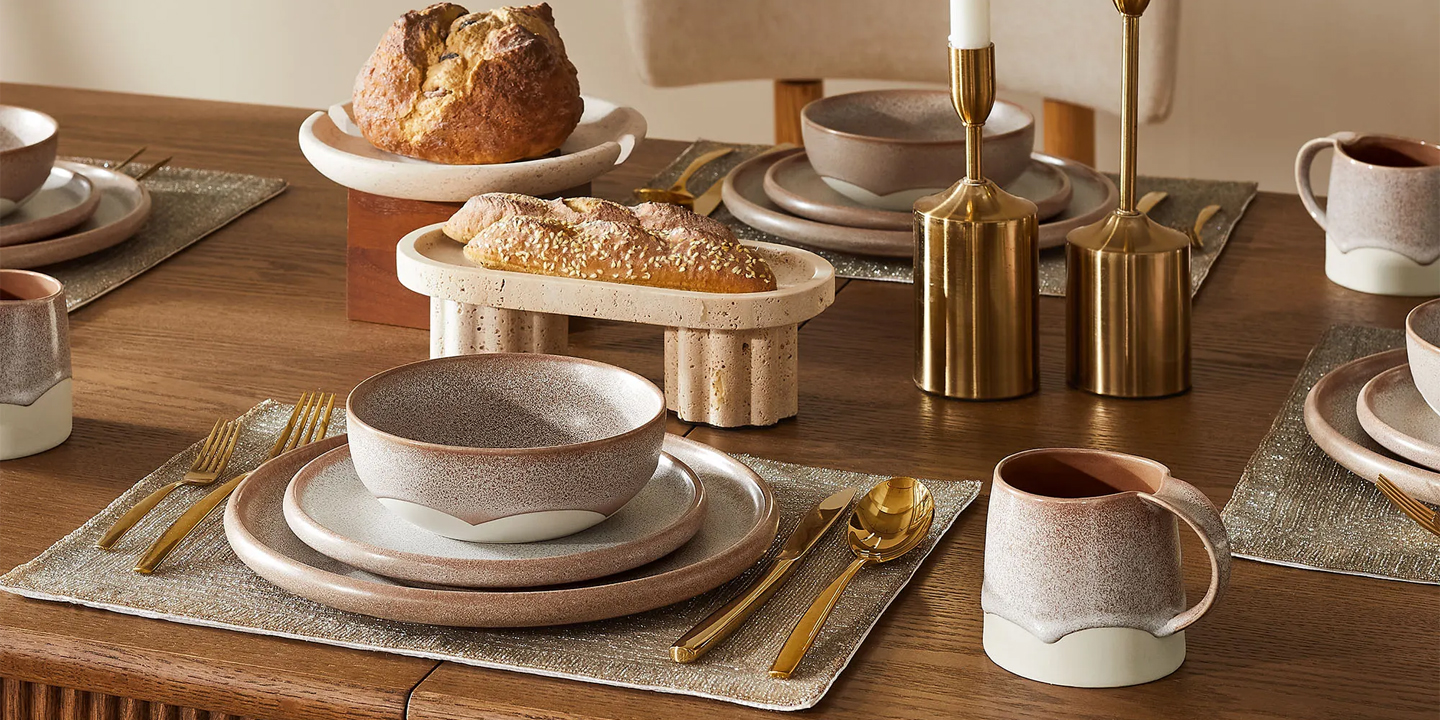
HERNEST Pick: Grayson Ceramic Dinnerware (Set of 16)
Dinner Plate Size in Inches, CM, and MM
For those who need exact specifications for manufacturing, storage, or international shopping, here is the precise breakdown.
Standard Dinner Plate Dimensions:
-
Inches: 10 – 12 in
-
Centimeters: 25.4 – 30.5 cm
-
Millimeters: 254 – 305 mm
Comparison: Salad & Side Plates
Note: Always check the product specifications when buying, as "salad plate" sizes can vary significantly between brands in the US, UK, and Europe. European plates tend to run slightly smaller than their American counterparts.
How Plate Size Affects Portion Size and Diet
Choosing the right plate size isn't just about aesthetics; it has a psychological impact on eating habits. This is known as the Delboeuf illusion.
-
Large Plate (12"+): The same portion of food looks smaller. This often leads to people serving themselves more food to make the plate look "full," increasing calorie intake.
-
Smaller Plate (10"): The same portion looks more generous. This can naturally help with portion control without making you feel deprived.
If you are trying to manage your weight or practice mindful eating, using a 10-inch plate for your main meal is a proven strategy.
Dinner Plate vs. Salad Plate vs. Charger: Knowing the Difference
When setting a formal table, you will encounter all three of these at once. Here is how they differ:
-
Dinner Plate (10-12 in): The plate from which you actually eat the main course.
-
Salad Plate (7-9 in): In a multi-course meal, this arrives first with the appetizer or salad. It is placed on top of the charger.
-
Charger Plate (12-14 in): This is a decorative base. You never eat directly off a charger. It sits on the table for the first few courses. The salad plate and later the dinner plate are placed on top of it. Once the main course is served, the charger is typically removed.
How to Choose the Right Plate Size for Your Table
When building a dinnerware collection, think about your lifestyle:
-
For Everyday Families: Start with a set of 10-inch dinner plates. They are durable, easy to handle, and fit in the dishwasher. Pair them with 7 to 8-inch salad plates for versatility.
-
For Entertaining / Dinner Parties: Consider having a set of larger 11 or 12-inch plates. The extra real estate allows for artistic plating that looks impressive when serving guests.
-
For Small Kitchens or Apartments: If storage is tight, stick to a 10-inch dinner plate and a 7.5-inch salad/dessert plate that nests easily. Avoid bulky 12-inch plates that take up cabinet space.
-
For Commercial Use (Restaurants):
-
Casual Dining: 10-inch plates are efficient and control food costs.
-
Fine Dining: 11 to 12-inch plates are standard to allow for complex presentations.
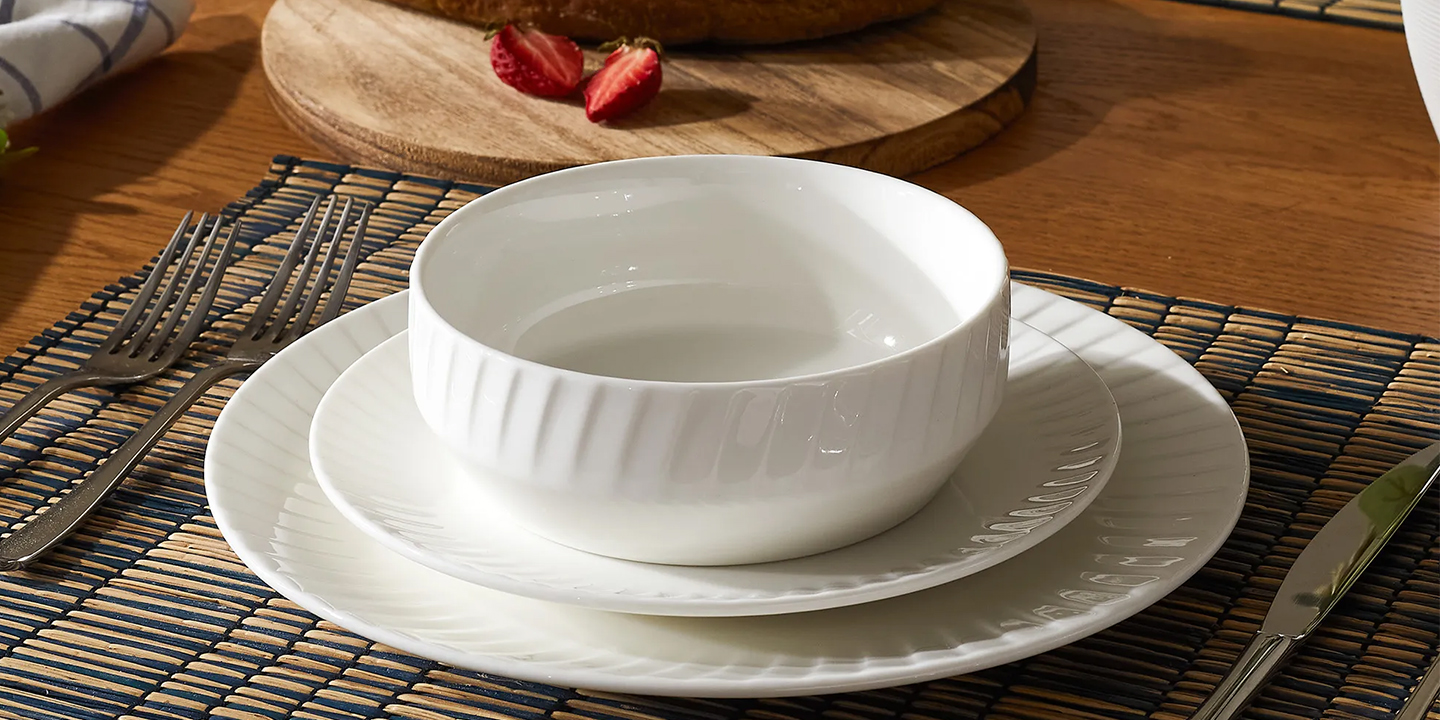
HERNEST Pick: Flute Ceramic Dinnerware (Set of 12)
FAQs
What size is a standard dinner plate in inches?
The standard dinner plate size is 10 to 11 inches in diameter. While 12-inch plates are popular, the 10-inch plate remains the industry standard for most households.
How many inches is a dinner plate in cm?
A 10-inch dinner plate is 25.4 cm. An 11-inch plate is 27.9 cm. A 12-inch plate is 30.5 cm.
Is a 10 inch plate a dinner plate?
Yes, absolutely. A 10-inch plate is the most common and recommended size for a standard dinner plate for everyday use.
Are dinner plates 9 inches?
No. A 9-inch plate is typically classified as a "Luncheon Plate," which is used for lighter, midday meals. It is smaller than a standard dinner plate.
What is a 7 inch plate used for?
A 7-inch plate is used as a side plate (for bread), a dessert plate (for cake), or a small appetizer plate.
How big is a salad plate?
A salad plate is typically 7 to 9 inches in diameter. An 8-inch plate is the most common size found in dinnerware sets.
How big is a dessert plate?
A dessert plate is typically 6 to 8 inches in diameter.
How big is a side plate in cm?
A side plate (bread plate) ranges from 15 to 18 cm in diameter.
What is the best size dinner plate for portion control?
A 10-inch dinner plate is widely recommended by nutritionists for controlling portion sizes without making meals feel too small.
Do larger plates make food look better?
Yes, in professional settings. A 12-inch plate provides a "canvas" with a wide rim, allowing chefs to create height and negative space, making the food look more artistic.