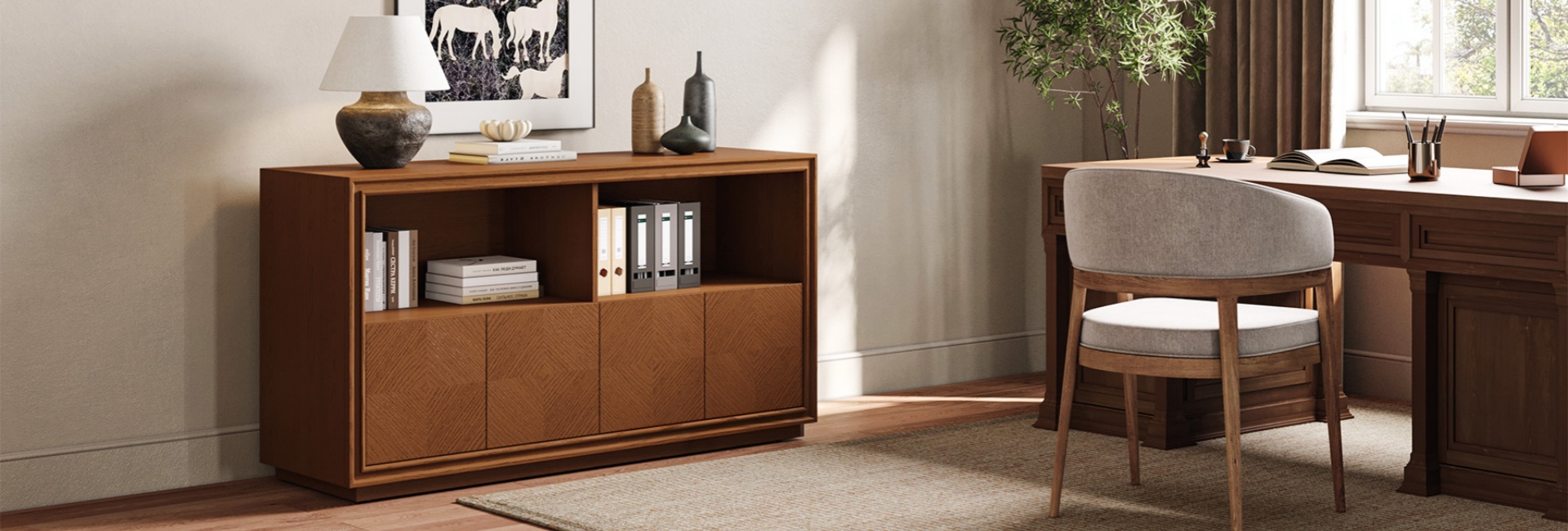
Choosing the right height of a bookcase can completely change how a room feels and functions. Too tall, and it overwhelms the wall; too short, and it wastes valuable storage space. Most homeowners only realize this after moving a piece in and noticing the imbalance. In this guide, we break down real-world standards for standard bookcase dimensions, bookcase depth, and how different heights work in everyday spaces. You’ll also see what designers typically consider the standard height for bookshelves, and how to evaluate whether a tall bookshelf actually fits your room before you buy.
Table of Contents
- Why Bookcase Height Matters in Real Homes
- What Is the Height of a Bookcase? (Definition & Range)
- What Is the Best Height for Bookcases? (Expert Answer)
- Tall Bookshelf Design Considerations
- Bookcase Depth Explained (Critical for Functionality)
- Standard Bookcase Dimensions (Real Industry Ranges)
- Room-by-Room Bookcase Height Guide
- Common Bookcase Styling & Dimension Mistakes
- How to Choose the Right Bookcase Height
- Upgrade Your Furniture Experience with Hernest Signature Member
- FAQs
- What is a good height for a bookcase?
- Is 8 inches deep enough for a bookshelf?
- What are the common bookshelf mistakes?
- What is the best height for a bookshelf?
- What is a good depth for a bookcase?
- What is the standard size of a bookcase?
- What is the height of a bookcase?
- What is the standard height for bookshelves?
- What is the best height for bookcases in small rooms?
- How tall is a tall bookshelf?
- Should bookcases be anchored to the wall?
Why Bookcase Height Matters in Real Homes
The height of a bookcase is one of those details people often underestimate—until they bring the furniture home and realize something feels off. It’s not just about storage capacity. It affects how a wall feels, how balanced a room looks, and how efficiently space is actually used.
Across modern furniture design discussions, including industry guides from furniture manufacturers and interior styling resources, one idea shows up repeatedly: poor sizing is the most common mistake when choosing storage furniture. A mismatch in height of a bookcase can make even an expensive piece look awkward or underwhelming.
Think about it this way—your bookcase isn’t just holding books. It’s visually anchoring a wall. And that’s why understanding standard bookcase dimensions, bookcase depth, and proportional height choices matters far more than most shoppers expect.
What Is the Height of a Bookcase? (Definition & Range)
The height of a bookcase refers to the vertical measurement from the floor to the top edge of the unit. In the furniture industry, there’s no single fixed number, but there are widely accepted ranges based on function and design.
Most interior references categorize bookcases into three practical groups.
Low Bookcases (24–30 inches)
Low units are compact and often used in multi-functional spaces.
-
Ideal for under-window placement
-
Works as a base for layered styling
-
Often used as media or display furniture
In many apartments, low bookcases help maintain openness without overwhelming walls.
Medium Bookcases (30–48 inches)
Medium-height units are among the most flexible options.
-
Common in bedrooms and smaller living rooms
-
Balanced visual weight
-
Easy to integrate into mixed storage layouts
This category of height of a bookcase is often chosen for versatility rather than maximum storage.
Tall Bookshelves (48–84+ inches)
This is where the tall bookshelf category begins to dominate wall space.
-
Maximizes vertical storage efficiency
-
Common in living rooms and home offices
-
Often used in library-style layouts
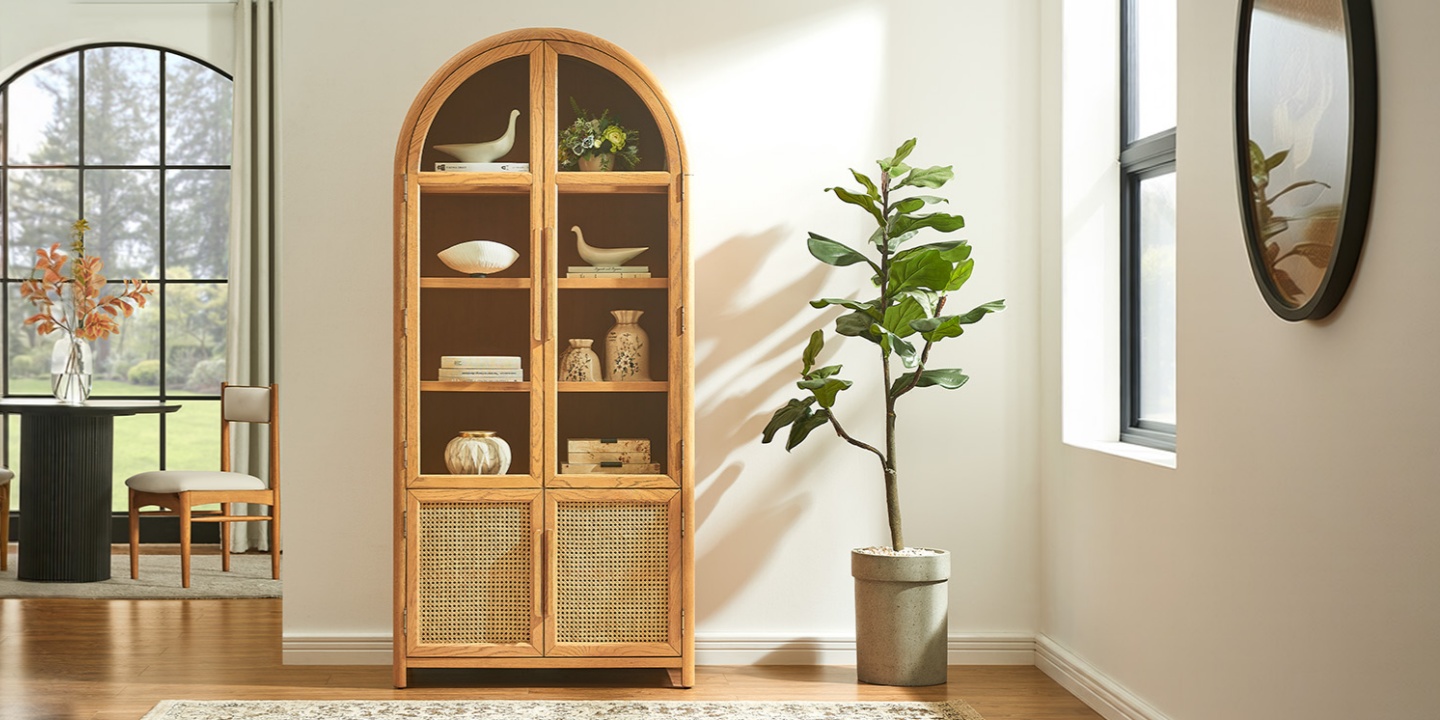
Industry references often cite 72 inches (6 feet) as a widely used benchmark for a standard tall unit. Above this, the tall bookshelf becomes a strong visual statement piece in interior design.
What Is the Best Height for Bookcases? (Expert Answer)
Choosing what is the best height for bookcases is less about a single “perfect” number and more about how the piece fits into real interior proportions, storage needs, and wall structure. Across furniture design references and practical home installations, the most consistent insight is simple: the best height is the one that balances usable storage with visual stability in the room.
Industry Standard Recommendation
In most residential furniture layouts, the standard height for bookshelves falls into a predictable range:
-
60–72 inches → most common “general use” height
-
72–84 inches → tall storage-focused installations
-
30–48 inches → low to mid-height flexible units
This means the height of a bookcase is typically selected based on function rather than decoration alone.
A quick comparison used in design planning:
Wall Proportion Guidelines
One of the most practical rules in determining the height of a bookcase is wall proportion. Even if two homes use the same furniture, the result can feel completely different depending on ceiling height and wall width.
General guidelines used in interior planning:
-
Low ceiling rooms (under 8 ft): prefer 48–60 inch bookcases
-
Standard ceilings (8–9 ft): 60–72 inch units work best
-
High ceilings (9+ ft): 72–84+ inch tall bookshelf designs
A tall bookshelf placed on a narrow wall often feels visually heavy, while the same unit on a wide wall creates a structured, built-in appearance.
This is why many designers treat standard bookcase dimensions as a flexible system rather than a fixed rule—adjusting height slightly can completely change the visual rhythm of a room.
Expert Insight
Furniture planners often emphasize one consistent principle:
“The right bookcase height is the one that feels naturally integrated into the wall, not added onto it.”
From a practical standpoint, when clients ask what is the best height for bookcases, the answer usually depends on three real-world factors:
-
Storage volume needed
-
Wall space available
-
Whether the unit should stand out or blend in
For example, in a narrow apartment living room, a 60-inch bookcase keeps the space light and flexible. In contrast, a 84-inch tall bookshelf can visually anchor a large open-concept wall, making the storage feel intentional rather than temporary.
Ultimately, the height of a bookcase is most effective when it supports both function and proportion—not just one or the other.
Tall Bookshelf Design Considerations
A tall bookshelf is one of the most efficient ways to maximize vertical storage, but its performance depends heavily on how it is designed and placed. When the height of a bookcase exceeds average mid-level units, structural balance and visual composition become just as important as storage capacity.
Stability & Safety
From a construction and interior setup perspective, stability is the first priority for any tall bookshelf. Once the height of a bookcase goes beyond roughly 60 inches, the center of gravity shifts upward, increasing the risk of tipping if not properly supported.
Common industry practices include:
To maintain safety:
-
Place heavier items on lower shelves
-
Avoid overloading top sections
-
Ensure the unit sits on a flat, level surface
-
Use wall anchoring for taller structures
In real residential setups, improper handling of standard bookcase dimensions is one of the most common causes of instability issues, especially in narrow or high-traffic spaces.
Visual Balance
Beyond safety, a tall bookshelf plays a major role in shaping how a room feels visually. Because the height of a bookcase naturally draws the eye upward, it can either enhance spatial harmony or overwhelm the wall if poorly positioned.
Design considerations include:
-
Matching the tall bookshelf height to wall width (avoid overly narrow placements)
-
Balancing tall units with lower furniture like consoles or seating
-
Leaving negative space above or beside the unit for breathing room
For example, a 72-inch bookshelf placed on a wide living room wall often creates a structured, built-in look, while the same unit in a small bedroom may feel visually heavy.
Ultimately, the success of standard height for bookshelves in tall formats depends on proportional balance rather than height alone.
Bookcase Depth Explained (Critical for Functionality)
While height of a bookcase gets most of the attention, depth is what determines whether the shelf actually works for your items.
What Is Standard Bookcase Depth?
Typical bookcase depth ranges include:
-
8–10 inches: slim decorative shelving
-
10–12 inches: standard book storage
-
12–15 inches: heavy storage or mixed use
These ranges appear consistently across furniture design references and product specifications in the industry.
Is 8 Inches Deep Enough for a Bookshelf?
Yes—but only in specific situations.
An 8-inch shelf works well for:
-
Paperbacks
-
Decorative objects
-
Light styling items
However, it is not suitable for:
-
Large hardcover books
-
Office binders
-
Deep storage needs
So while 8 inches can work, it is best considered a design-focused bookcase depth, not a universal storage solution.
Standard Bookcase Dimensions (Real Industry Ranges)
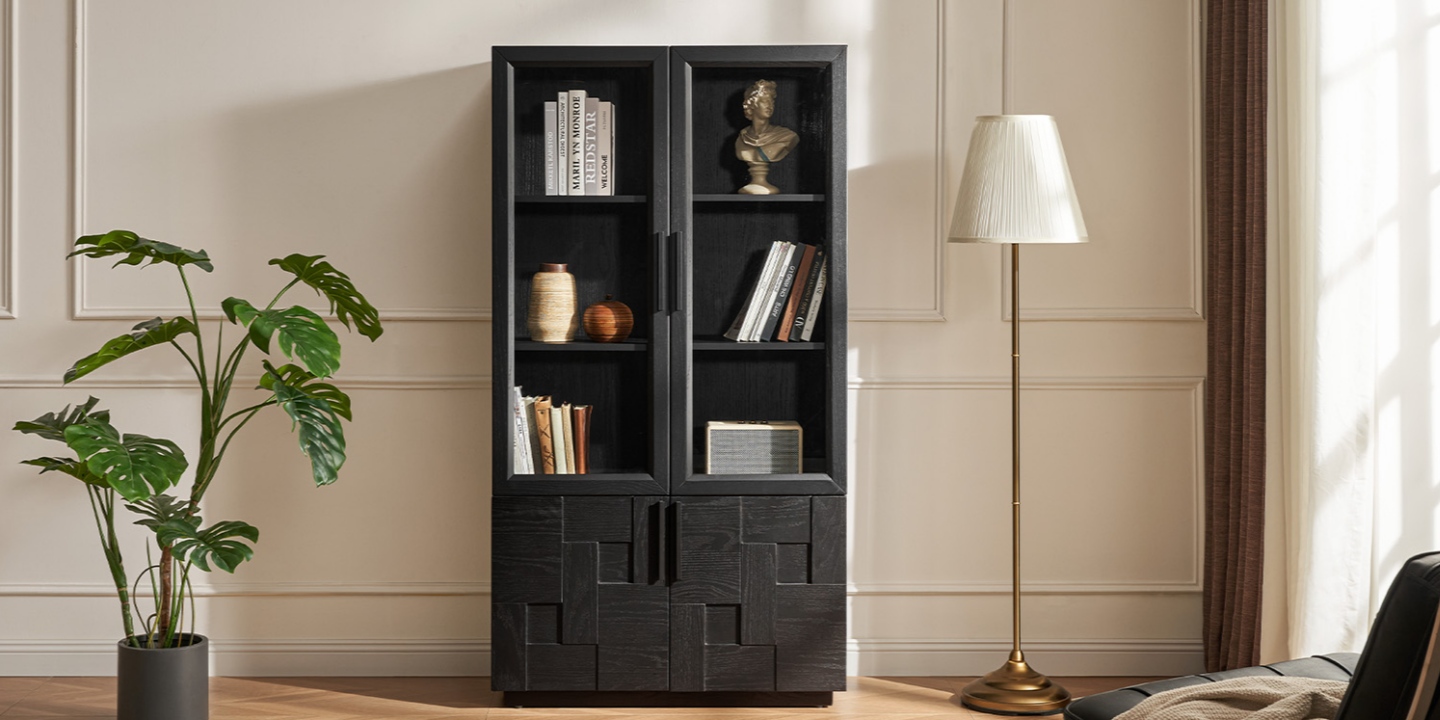
When discussing standard bookcase dimensions, furniture manufacturers typically fall within predictable ranges:
-
Height: 30” / 48” / 60” / 72” / 84”
-
Width: 24”–48” per unit
-
Depth: 8”–15”
These ranges are widely used because they align with both modular furniture systems and typical residential wall layouts.
Modular Design Trend
Modern interiors increasingly rely on flexible systems rather than fixed units.
-
Adjustable shelving heights
-
Mixed open and closed storage layouts
This shift means the height of a bookcase is no longer a fixed decision—it becomes part of a larger storage system strategy.
Room-by-Room Bookcase Height Guide
Choosing the right height of a bookcase depends heavily on the room’s function, wall size, and how much visual weight you want the furniture to carry. The same tall bookshelf can feel perfectly balanced in one room and completely overwhelming in another, which is why room-specific planning is essential when evaluating standard bookcase dimensions.
Living Room
In living rooms, the height of a bookcase is often used to create a visual anchor on larger walls. This space typically allows for more vertical freedom.
Recommended range:
-
60–84 inches for balanced storage and display
-
Works well as a focal storage wall
A tall bookshelf in this setting can frame seating areas or TV walls, helping define zones in open-plan layouts. For example, a 72-inch unit placed beside a sofa creates structure without overpowering the room.
Bedroom
Bedrooms require a softer visual approach, so the standard height for bookshelves is usually lower.
Recommended range:
-
30–60 inches for compact, calm storage
Here, the height of a bookcase is usually kept modest to avoid visual heaviness. Lower units work well for books, folded textiles, or personal décor. In smaller bedrooms, mid-height shelving often replaces bulky wardrobes to maintain openness.
Home Office
In home offices, functionality drives decisions. The bookcase height is chosen to support organization and document storage.
Recommended range:
-
48–84 inches for efficient vertical storage
A tall bookshelf helps maximize limited wall space, especially for files and reference materials. When paired with consistent bookcase depth, it improves categorization and reduces clutter.
In practice, most professionals rely on mid-to-tall standard bookcase dimensions in office environments because they balance accessibility with storage density.
Common Bookcase Styling & Dimension Mistakes
Even when the height of a bookcase follows standard ranges, small styling and sizing mistakes can still make a well-designed space feel unbalanced or impractical. In real residential layouts, issues usually come from ignoring proportion, storage behavior, and visual rhythm rather than choosing the wrong furniture style.
Mistake 1 — Overloading upper shelves
One of the most common problems is placing too much weight or too many objects on the upper levels of a tall bookshelf. As the height of a bookcase increases, visual and physical balance becomes top-heavy.
Typical issues include:
-
Heavier books placed on top shelves
-
Decorative clutter without spacing
-
Uneven shelf loading
This not only affects stability but also makes the structure look visually unstable. A simple rule used in practice is: heavier items go lower, lighter items go higher.
Mistake 2 — Ignoring depth-to-item ratio
Incorrect bookcase depth selection often leads to functional frustration.
When depth is too shallow, items protrude; when too deep, space feels wasted and unorganized.
Mistake 3 — Choosing height without wall proportion
A major design error is selecting standard bookcase dimensions without considering wall scale. A 72-inch unit may feel appropriate in one room but overwhelming in another.
For example:
-
Narrow wall + tall bookshelf = visual crowding
-
Wide wall + low unit = lost vertical potential
This imbalance is one of the most overlooked aspects when planning the height of a bookcase.
Mistake 4 — No vertical styling balance
A tall bookshelf should not be filled uniformly from top to bottom. Without variation, the structure feels flat and heavy.
Better approach:
-
Mix books with open décor spacing
-
Alternate vertical and horizontal stacking
-
Leave intentional negative space
This creates rhythm and prevents the height of a bookcase from feeling monotonous or visually dense.
How to Choose the Right Bookcase Height
Selecting the right height of a bookcase is not just about picking a size that fits—it’s about aligning storage needs, wall proportion, and long-term usability. In real residential planning, mistakes often happen when buyers focus only on appearance without considering structure and function. A practical approach helps avoid costly mismatches later.
Step 1 — Measure wall height
Start by measuring the full wall height and leaving breathing space above the unit. A general rule used in interior planning is to leave at least 4–10 inches of clearance so the height of a bookcase does not visually “press” against the ceiling.
This step is especially important when planning a tall bookshelf, since oversized units can easily dominate narrow walls and reduce visual balance.
Step 2 — Define usage purpose
Before choosing standard bookcase dimensions, define what the unit will hold:
-
Books and media collections
-
Decorative objects
-
Mixed storage and display
For example, a tall storage unit like the Skugga Oak Cabinet (40.9"W × 18.1"D × 84.4"H) shows how increased height supports both adjustable shelving and structured storage, making it suitable for multi-purpose use in living spaces.
Step 3 — Match depth to book type
Correct bookcase depth ensures usability over time. Shallow shelving works for décor, while deeper units are needed for heavier or larger items. The interior layout of taller cabinets often includes a mix of fixed and adjustable shelves to improve flexibility across different storage types.
Step 4 — Consider safety & anchoring
Any unit with a taller height of a bookcase, especially above 60 inches, should include wall anchoring to prevent tipping. This is particularly important in households with high traffic or uneven flooring conditions.
Upgrade Your Furniture Experience with Hernest Signature Member
Designed for effortless living, Hernest Signature Member gives you premium furniture benefits for just $199/year — including unlimited free White Glove Delivery on eligible items.
- Unlimited Free White Glove Delivery on eligible items
- Professional in-home placement and assembly
- 5% back in Reward Credits on qualifying purchases
- Exclusive birthday rewards and member events
FAQs
What is a good height for a bookcase?
A good height of a bookcase is typically 60–72 inches, which works well in most homes because it balances storage capacity and wall proportion. In larger rooms, taller units up to 84 inches are also common.
Is 8 inches deep enough for a bookshelf?
Yes, but only for light storage. An 8-inch bookcase depth works for paperbacks, décor, and small objects. It is not suitable for large hardcover books or binders, which usually require 10–12 inches of depth.
What are the common bookshelf mistakes?
Common mistakes include:
● Choosing incorrect height of a bookcase for the wall size
● Ignoring bookcase depth requirements
● Overloading upper shelves in a tall bookshelf
● Not considering standard bookcase dimensions before purchase
● Poor visual balance in shelf styling
What is the best height for a bookshelf?
The most widely used standard height for bookshelves is around 72 inches, as it fits most residential walls without overwhelming the space while still offering strong storage capacity.
What is a good depth for a bookcase?
A good bookcase depth is generally:
● 8–10 inches for decorative shelving
● 10–12 inches for standard books
● 12–15 inches for heavier storage needs
What is the standard size of a bookcase?
Typical standard bookcase dimensions include:
● Height: 30” to 84”
● Width: 24” to 48”
● Depth: 8” to 15”
What is the height of a bookcase?
The height of a bookcase varies by category:
● Low: 24–30 inches
● Medium: 30–48 inches
● Tall: 48–84+ inches
What is the standard height for bookshelves?
The most common standard height for bookshelves in residential settings is around 72 inches, often used as a balanced mid-to-tall storage solution.
What is the best height for bookcases in small rooms?
For small rooms, the best height of a bookcase is typically 30–60 inches. This helps maintain visual openness and prevents the furniture from overpowering limited wall space.
How tall is a tall bookshelf?
A tall bookshelf is generally considered anything from 60 inches up to 84 inches or more, depending on ceiling height and storage needs.
Should bookcases be anchored to the wall?
Yes. Any unit above 60 inches in height of a bookcase should be anchored to the wall. This is especially important for taller storage systems to prevent tipping and improve long-term stability in daily use.