When it comes to furnishing your living room, accent tables play a surprisingly pivotal role. Yet, many homeowners stumble on a common question: What’s the difference between an end table and a side table? Understanding the distinction—or knowing when it doesn’t matter—can elevate your space from functional to effortlessly stylish. This article dives deep into the world of end table vs side table, exploring their purpose, types, placement, and materials. By the end, you’ll confidently choose the perfect table for your home.
Table of Contents
- Why Understanding End Table vs Side Table Matters
- What Is an End Table?
- What Is a Side Table?
- End Table vs Side Table: What's the Real Difference?
- Can an End Table and Side Table Be the Same Thing?
- Types of Side Tables You Should Know
- How to Choose Between an End Table and a Side Table
- Best End Table and Side Table Materials Compared
- Small Side Tables: The Smart Solution for Limited Spaces
- Are End Tables Outdated? Current Design Trends Explained
- Designer Tips for Styling End Tables and Side Tables
- Common Mistakes to Avoid When Buying Accent Tables
- End Table vs Side Table: Which One Is Right for You?
- Final Thoughts: Stop Thinking About Labels and Focus on Function
- FAQs
- What is the difference between side table and end table?
- What are the side tables called?
- Why is it called an end table?
- Are end tables outdated?
- What is a side table used for?
- Can a side table replace an end table?
- How tall should an end table be?
- Are small side tables good for apartments?
- Is an Oak Side Table a good investment?
- Should end tables match the coffee table?
Why Understanding End Table vs Side Table Matters
The Common Confusion Between End Tables and Side Tables
Ask any homeowner or interior designer, and you’ll hear the same challenge: people often use “end table” and “side table” interchangeably. While both provide a convenient surface next to seating, they differ subtly in scale, placement, and function. End tables traditionally sit at the end of a sofa or chair, while side tables can live in multiple spaces and serve more decorative or versatile roles.
Understanding this distinction ensures your furniture layout feels intentional rather than haphazard. Misplacing a table can throw off room flow, reduce usability, or make a space feel crowded.
Why Choosing the Right Table Improves Everyday Living
The right table isn’t just about aesthetics—it directly impacts your daily routines. Imagine reaching for a drink, remote, or reading lamp. An ill-chosen table might be too low, too high, or in the wrong spot, causing frustration. End table vs side table clarity helps you place tables where they truly enhance comfort and functionality.
How the Right Accent Table Impacts Function, Style, and Room Flow
Placement, scale, and design influence how your living room feels and operates. A well-chosen Oak Side Table, for example, can anchor a sofa while providing storage for essentials. Meanwhile, a stylish small side table can double as an artful accent without crowding the space. When planned correctly, these tables maintain open pathways, balance seating arrangements, and even improve lighting distribution.
What Is an End Table?
Definition and Traditional Purpose
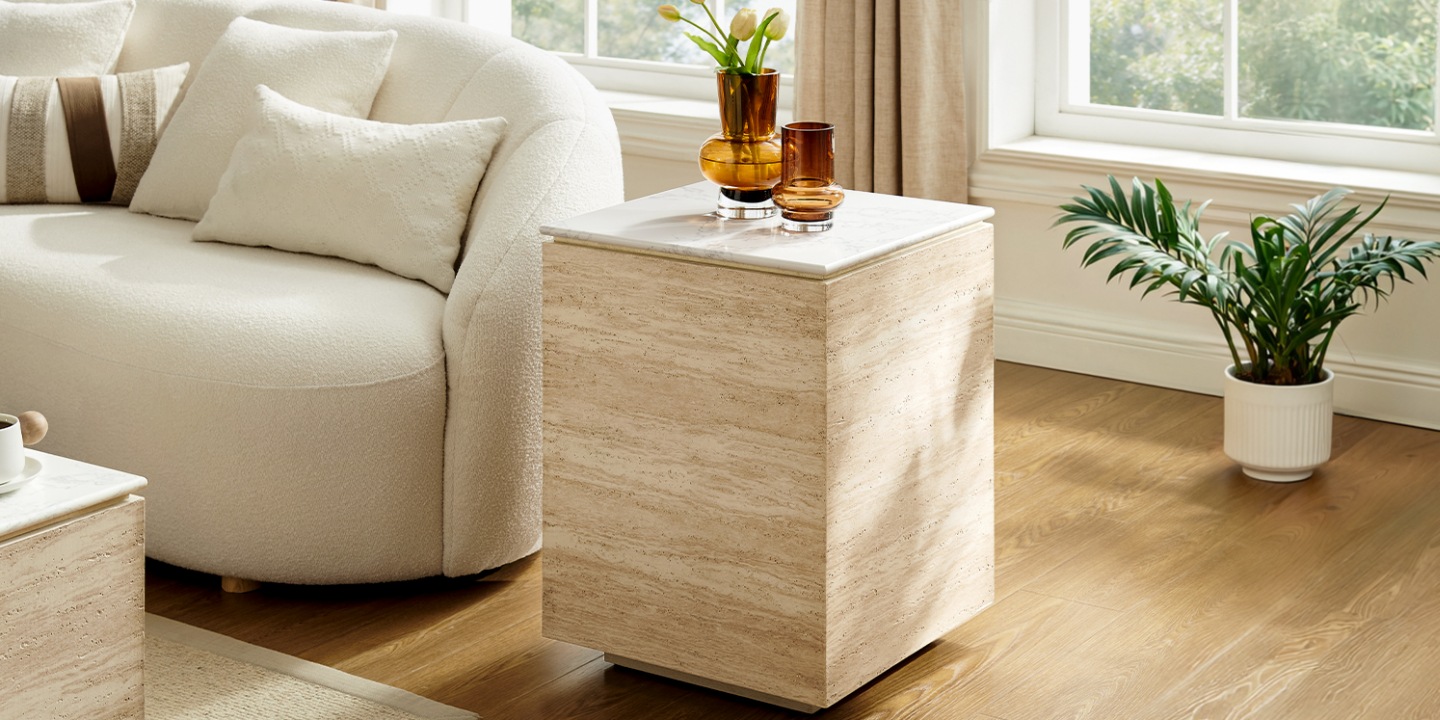
So, what is an end table? Traditionally, an end table is a compact piece positioned at the end of a sofa, loveseat, or armchair. Its primary role is convenience: holding lamps, beverages, books, or remotes. The “end” in end table reflects its original placement at the sofa’s extremity.
Typical Placement of End Tables
End tables are usually placed:
Beside a sofa’s armrest
At the ends of a sectional
Next to a reading chair or recliner
Placement is key. Too far from seating, and the table loses its practicality; too close, and it can crowd the room.
Standard End Table Dimensions
Most end tables are designed with the sofa arm in mind. Standard dimensions:
Height: within 2 inches of sofa arm
Width: 18–24 inches
Depth: 16–20 inches
These proportions maintain accessibility while keeping the space open.
Common Features of Modern End Tables
Contemporary end tables often include:
Storage drawers or shelves
Charging stations for devices
Mixed-material designs (metal + wood or glass + wood)
Unique, statement-making shapes
What Is a Side Table?
A side table is one of those pieces of furniture people often underestimate—until they actually need it. In the context of end table vs side table, a side table is best understood as a flexible, multi-purpose accent piece that can support both everyday living and decorative styling. Unlike more position-specific furniture, it adapts to the room rather than defining it.
Definition and Modern Uses
So, what is a side table in today’s homes? It’s a compact surface designed to hold essentials like lighting, drinks, books, or décor—but its role has expanded far beyond that. Modern interiors treat side tables as functional accents that bridge utility and aesthetics.
For example, a Hernest side table might serve as a minimalist drink station beside a sofa during movie nights, then shift into a display stand for ceramics or greenery during the day. This dual-purpose flexibility is exactly why the end table vs side table conversation continues to evolve.
Where Side Tables Can Be Used
One of the biggest advantages in the difference between end table and side table is placement freedom. A side table isn’t restricted to the sofa’s end.
Common placements include:
This versatility is what makes small side tables especially popular in compact apartments.
Why Side Tables Offer More Placement Flexibility
Unlike traditional end tables, side tables are designed to “move with the lifestyle.” In the broader end table vs side table comparison, this is where they clearly stand out. They can shift between rooms, adapt to layouts, or even function temporarily as laptop stands or plant pedestals.
Side Tables as Decorative Statements
Modern side tables are no longer just functional—they are visual anchors. Materials like oak, metal, and mixed textures allow homeowners to create contrast and personality. A well-chosen Oak Side Table can ground a minimalist room, while sculptural forms elevate simple layouts into design statements.
In short, side tables are where practicality meets personality—especially in flexible modern homes where every square foot matters.
End Table vs Side Table: What's the Real Difference?
When homeowners search for end table vs side table, they’re usually trying to solve a practical problem: Which one fits my space better without messing up the layout? While the two terms are often used interchangeably, the real differences become clear when you break them down by placement, scale, and function.
Placement Differences
The most noticeable difference between end table and side table is where they are placed. An end table is almost always positioned directly beside seating—usually at the arm of a sofa or chair. It “ends” the seating arrangement, creating a functional landing spot.
A side table, on the other hand, is more flexible. It can sit beside a sofa, in a bedroom corner, or even in an entryway. In modern homes using small side tables, this flexibility is especially valuable for compact layouts where furniture needs to move between functions.
In real-world design project, end tables tend to “anchor” seating zones, while side tables act more like mobile support furniture across rooms.
Size and Scale Differences
Scale is another key part of the end table vs side table discussion. End tables are typically standardized in height and proportion, designed to match sofa armrests for easy access.
Side tables vary widely:
Some are tall and sculptural
Some are ultra-compact small side tables
Others, like an Oak Side Table, are bulkier and more grounded
This variability allows side tables to adapt to different room sizes, while end tables follow stricter proportions for seating alignment.
Functionality Differences
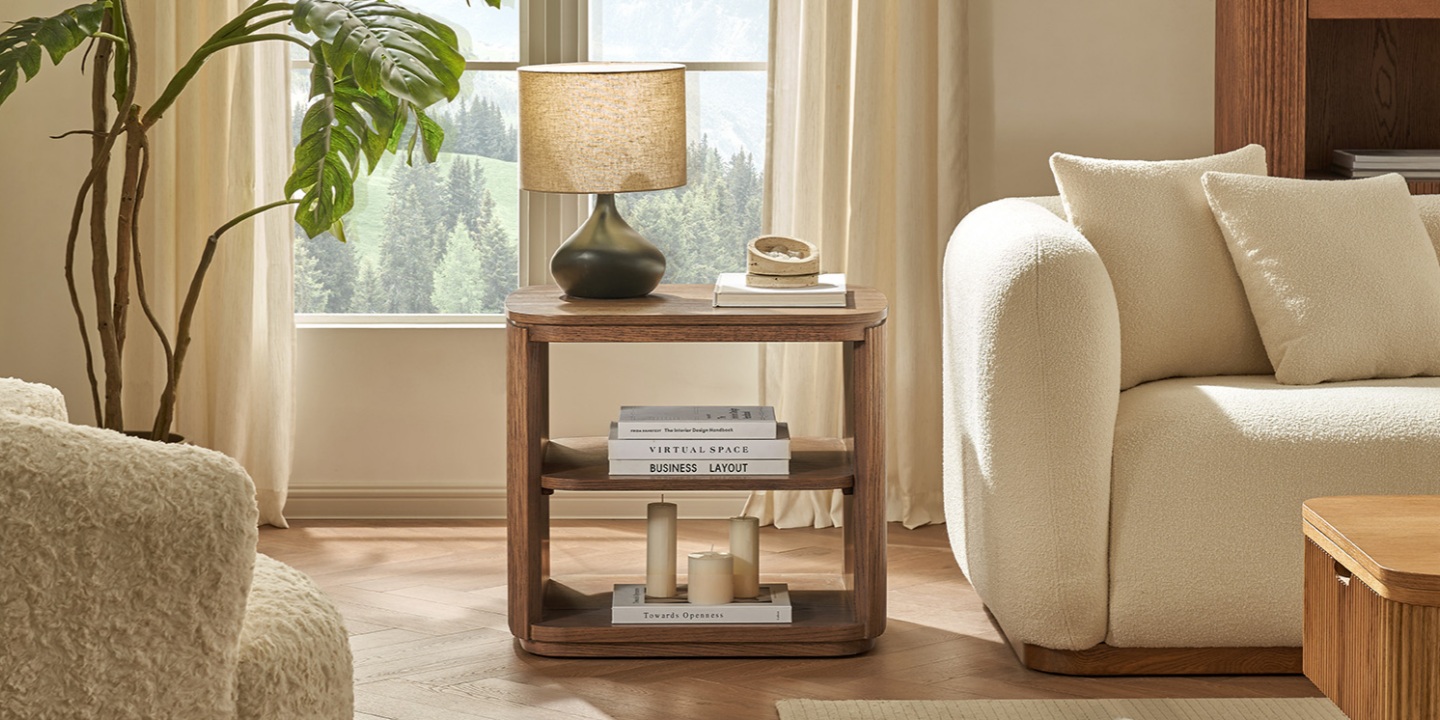
Function is where the difference between end table and side table becomes very practical. End tables are task-focused: holding a lamp, drink, or remote within arm’s reach.
Side tables are multi-purpose. They can function as décor stands, laptop surfaces, plant holders, or even temporary workstations. A single what is a side table example could serve multiple roles throughout the day, especially in smaller apartments.
Design Differences
End tables tend to follow coordinated design language with sofas or coffee tables. Side tables, however, are where experimentation happens.
You’ll often see:
Mixed-material frames
Sculptural silhouettes
Natural wood like Oak Side Table finishes
Woven or textured small side tables for softer interiors
This is why designers often use side tables to introduce contrast in a room dominated by heavier furniture.
End Table vs Side Table Comparison Chart
In short, the end table vs side table comparison is not about which one is better—it’s about how structured or flexible you want your space to be. End tables bring order, while side tables bring adaptability, especially when incorporating versatile pieces like small side tables or a timeless Oak Side Table.
Can an End Table and Side Table Be the Same Thing?
Why Retailers Often Use the Terms Interchangeably
Retailers label furniture for convenience. A small side table might be sold as an end table if it fits next to a sofa. Functionally, this is often correct, but design clarity helps with room planning.
Situations Where the Difference Doesn't Matter
In modern eclectic interiors, an Oak Side Table could serve either role, especially if it complements surrounding furniture.
When Placement Makes the Distinction Important
Placement becomes critical in tight layouts. For example, a small apartment may only have space for one side table—choosing one with end table dimensions ensures usability.
How Professional Designers Define the Two
Designers generally classify tables based on adjacency to seating (end table) versus flexibility (side table). Clear definitions help maintain proportion, circulation, and aesthetic balance.
Types of Side Tables You Should Know
Understanding the variety of side tables is essential for making informed furniture choices. Each type serves distinct purposes, from practical storage to aesthetic appeal. Hernest offers a range of options designed to meet both functional and stylistic needs.
Traditional Side Tables
Traditional side tables are the classics of living spaces. Often rectangular or square, they provide a stable surface for lamps, books, or drinks. They pair seamlessly with traditional sofas and decor, offering balance and symmetry.
Small Side Tables for Compact Spaces
For apartments, studios, or rooms with limited space, small side tables are invaluable. They maximize utility without crowding the floor. Compact round or square options can act as nightstands, accent pieces, or portable work surfaces, proving that size doesn’t limit style.
Oak Side Tables
Oak Side Tables are versatile, durable, and aesthetically timeless. A perfect example is Hernest’s Elliot Side Table. Crafted from American solid oak and plywood with oak veneers, this 16.9" round table combines rich, wood with a fluted design, concealed storage, and open shelves for décor display. Its multistep wood glazing highlights natural grain while adding depth and warmth, making it both practical and stylish.
Drum Side Tables
Drum tables feature a rounded, sculptural profile that works as both functional surfaces and decorative elements. They are often used to soften angular room layouts or as standalone accent pieces.
Storage Side Tables
For clutter-conscious homeowners, storage side tables combine surfaces with drawers or shelves. They keep essentials organized while maintaining easy access, blending practicality with design. Hernest integrates thoughtful storage options into many of its designs without compromising style.
How to Choose Between an End Table and a Side Table
Selecting the right table can dramatically improve both the functionality and aesthetics of your living space. Understanding the end table vs side table distinction ensures you pick pieces that suit your lifestyle and layout.
Consider Your Room Layout First
Before choosing, evaluate your room’s flow. End tables are ideal for anchoring sofas or chairs, while side tables offer more placement flexibility. If your seating arrangement is compact, a mix of small side tables and a single end table can maintain balance without crowding walkways.
Match Table Height to Seating
Height is critical. End tables should align closely with sofa or chair arms to ensure convenience for drinks, remotes, or lamps. Side tables, being more flexible, can vary in height, allowing for multi-purpose use.
Think About Daily Habits
Consider how you use your tables daily. Do you need a surface primarily for lamps and drinks, or do you prefer a table that doubles as décor, storage, or workspace? Side tables are versatile and can shift between these roles, while end tables are traditionally task-focused.
Decide Whether Function or Style Comes First
Some homeowners prioritize functionality, choosing tables that blend seamlessly with the seating area. Others focus on design, using tables as statement pieces.
Choose Materials Based on Lifestyle
Material choice affects durability and maintenance. Solid oak tables provide long-lasting quality and timeless style, while mixed materials can add contemporary flair. For high-traffic areas, consider stain-resistant finishes or durable veneers.
Best End Table and Side Table Materials Compared
Choosing the right material plays a major role in the long-term performance and style of any end table vs side table decision. Beyond appearance, materials influence durability, maintenance, and how well a piece fits into everyday living.
Solid Oak Side Tables
Solid Oak Side Tables remain one of the most trusted choices for homeowners who want durability with timeless appeal. Oak offers strong resistance to daily wear, making it ideal for high-use areas like living rooms. It also develops a richer character over time, especially in natural finishes. Hernest integrates oak into designs that balance structure and warmth, making it suitable for both modern and classic interiors.
Stone and Marble Designs
Stone and marble tables bring a more elevated, architectural feel. They are visually striking and work well as statement pieces in minimalist spaces. However, they require more care, especially with stains or acidic spills, making them better suited for low-traffic or curated environments.
Small Side Tables: The Smart Solution for Limited Spaces
In modern homes, small side tables have become essential for maximizing functionality without sacrificing style. Their compact design makes them ideal for apartments, studio spaces, or rooms with tight layouts, allowing homeowners to maintain a clean and organized environment.
Why Small Side Tables Are Growing in Popularity
Limited space is a reality in urban living, and small side tables provide a practical solution. They offer surfaces for lamps, drinks, or décor while keeping the footprint minimal. Their mobility also allows them to be easily moved to different rooms as needed.
Best Shapes for Small Rooms
Round and oval tables are particularly effective in compact spaces, as they reduce sharp edges and improve flow. Square or rectangular options work when positioned against walls or between seating, creating functional pockets without crowding the area.
Space-Saving Design Strategies
Foldable surfaces, and slim profiles maximize usable surface area while minimizing bulk. Selecting tables with storage compartments or open shelving ensures every inch of space serves a purpose.
Styling Small Side Tables Without Creating Clutter
Balance is key. Limit décor items to one or two functional pieces such as a lamp and a small plant or tray. Using vertical space with stacked or layered arrangements keeps the table visually interesting while preventing overcrowding.
Small side tables are not just practical—they are a versatile design solution for modern living spaces.
Are End Tables Outdated? Current Design Trends Explained
The question of whether end tables are outdated often comes up in modern interior discussions. While some homeowners see them as traditional and rigid, the reality is more nuanced.
Why Some Homeowners Think End Tables Are Outdated
Critics argue that end tables feel unnecessary in open-concept spaces or when furniture sets are less formal. Matching sets of sofa, coffee table, and end tables can feel predictable or dated in contemporary interiors.
What Designers Are Actually Using Today
Modern designers favor versatility. End tables are incorporated alongside small side tables, sculptural accents, or mixed-material pieces. They are no longer purely functional but also act as style elements that complement varied décor.
The Shift Away from Matching Furniture Sets
Instead of perfectly coordinated sets, homeowners are mixing textures, shapes, and materials. This approach allows end tables to coexist with diverse furniture, creating layered, visually dynamic spaces.
Why End Tables Remain Essential for Functional Living Rooms
Despite trends, end tables provide convenience that floating or oversized coffee tables cannot. They offer accessible surfaces for lamps, drinks, and remotes, maintaining a comfortable and practical living environment.
In short, end tables are far from obsolete—they are evolving to meet contemporary design and functional needs.
Designer Tips for Styling End Tables and Side Tables
Styling furniture effectively is what separates a functional room from a thoughtfully designed one. When working with end table vs side table arrangements, small adjustments in composition, height, and balance can significantly improve the overall look and usability of your space.
The Rule of Three for Table Styling
One of the most reliable interior design principles is the “rule of three.” Grouping items in odd numbers—typically three—creates visual interest without feeling cluttered. For example, pairing a lamp, a small decorative object, and a book on a side table creates a balanced yet natural composition. This approach works equally well for both end tables and small side tables, helping avoid overly staged or rigid layouts.
Combining Lighting, Decor, and Storage
A well-styled table should combine three core functions: lighting for visibility, décor for personality, and storage for practicality. A lamp anchors the surface visually, while trays or bowls keep smaller items organized. Storage elements such as drawers or lower shelves help maintain a clean surface, especially in high-use living rooms.
Creating Visual Balance Around Sofas
In the context of end table vs side table placement, balance is essential. End tables typically frame sofas symmetrically, while side tables can introduce asymmetry in a controlled way. Matching table height to sofa arms and distributing visual weight evenly prevents one side of the room from feeling heavier than the other.
Mixing Different Table Shapes
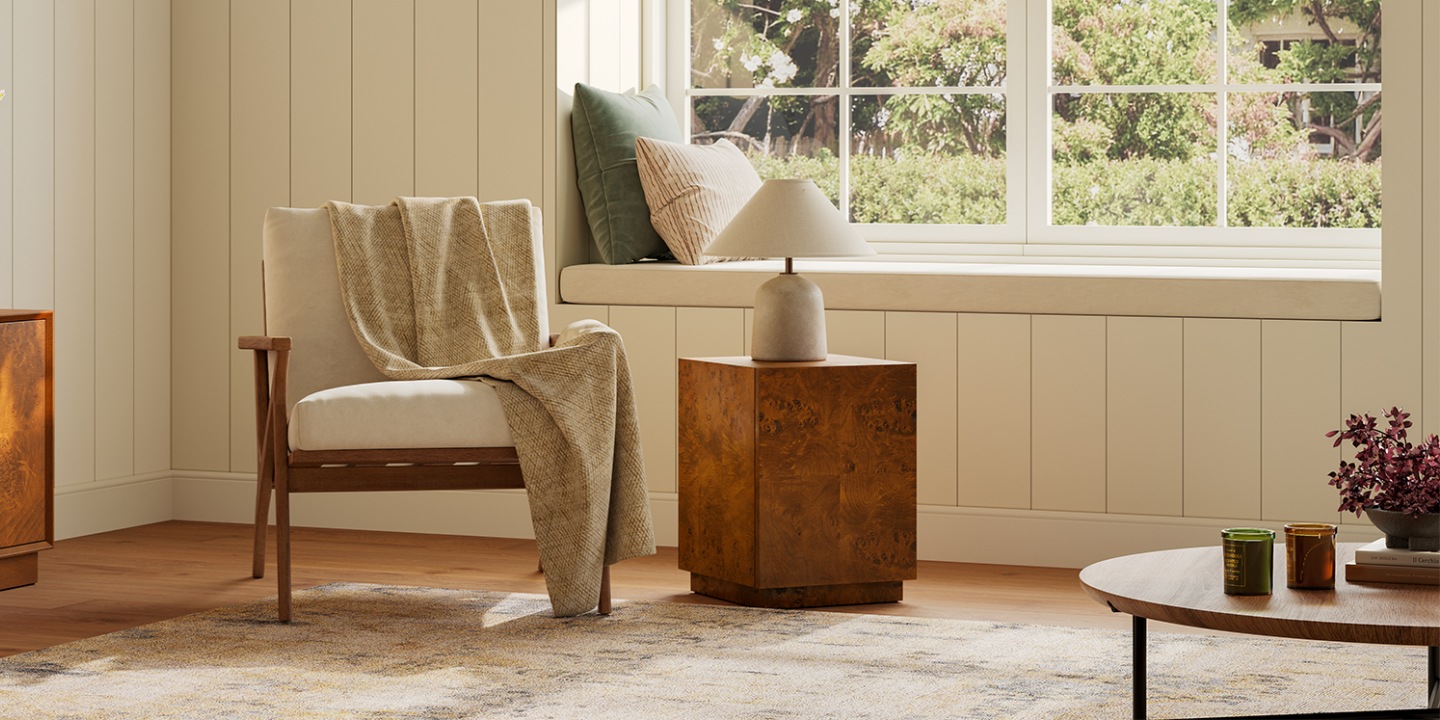
Combining round, square, and organic shapes adds depth and movement to a space. A rectangular end table paired with a round side table can soften rigid furniture lines. This mix-and-match approach reflects modern design trends, where cohesion is achieved through proportion rather than identical matching pieces.
Common Mistakes to Avoid When Buying Accent Tables
Choosing the right end table vs side table is more than picking a pretty surface—it requires attention to scale, function, and room flow. Many homeowners make simple mistakes that compromise both style and usability.
Choosing the Wrong Height
Height matters. End tables should generally align with the arm of your sofa or chair, allowing easy access to drinks, remotes, or lamps. Too low or too high, and the table becomes awkward to use, reducing comfort and functionality. Side tables are more flexible, but mismatched heights can disrupt visual balance and ergonomics.
Buying Tables That Are Too Small
Small tables are convenient for compact spaces, but going too tiny can limit their usefulness. A table that barely holds a lamp or a cup of coffee defeats the purpose. It’s important to find a balance between space-saving small side tables and functional surface area.
Ignoring Storage Needs
Many accent tables now offer hidden storage or shelving. Ignoring this can lead to cluttered living spaces. Drawers, open shelves, or multi-tiered designs help keep essentials organized without sacrificing style, particularly in high-traffic areas.
Matching Everything Too Closely
While coordinating furniture is tempting, overly matching end tables, coffee tables, and sofas can feel static or dated. Mixing materials, shapes, or finishes introduces visual interest and allows Oak Side Tables or sculptural side tables to become statement pieces.
Forgetting Traffic Flow and Clearance Space
Furniture placement affects movement. Tables that block pathways or crowd seating make rooms feel cramped. Always measure space for clearance around chairs, sofas, and foot traffic to maintain comfort and flow.
By avoiding these mistakes, homeowners can select accent tables that enhance both the functionality and aesthetics of their living spaces. Proper choices ensure end table vs side table decisions are both practical and visually appealing.
End Table vs Side Table: Which One Is Right for You?
Choosing between an end table vs side table ultimately comes down to how you live in your space, not just how the furniture looks. Both serve important roles, but each fits different needs depending on layout, habits, and design priorities.
Choose an End Table If...
An end table is the better choice if your priority is structure and convenience next to seating. If you regularly use a sofa or armchair for reading, watching TV, or relaxing, an end table keeps essentials within immediate reach. It works best when you need a stable surface for lamps, drinks, or remote controls positioned right at the arm of seating.
End tables also suit more symmetrical layouts, where balance on both sides of a sofa is important. In traditional living rooms, this creates a clean, organized visual flow that feels intentional and grounded.
Choose a Side Table If...
A side table is ideal if flexibility matters more than structure. If you like rearranging furniture or need pieces that move between rooms, a side table adapts easily. It can function as a nightstand, a plant stand, or a compact accent piece in corners and entryways.
This is especially useful when working with small side tables, where space efficiency and mobility are key. Side tables also give more freedom in style, material, and shape, making them better for layered, modern interiors.
Why Many Homes Benefit from Having Both
In most real-world homes, it’s not about choosing one over the other. A balanced mix of end tables and side tables creates both structure and flexibility. End tables anchor key seating areas, while side tables fill gaps, add function, and introduce visual variety.
This combination allows homeowners to respond to daily needs while keeping interiors adaptable, practical, and visually engaging.
Final Thoughts: Stop Thinking About Labels and Focus on Function
At the end of the day, the debate around end table vs side table is less about strict definitions and more about lifestyle. If a table improves how you live in your space, it’s the right choice. Whether it’s a sculptural accent piece, a practical Oak Side Table, or compact small side tables for tight corners, function should always lead design.
FAQs
What is the difference between side table and end table?
End tables are typically placed at the ends of sofas or chairs, providing a surface for lamps, drinks, or remotes. Side tables are more versatile, able to fit in corners, next to beds, or between furniture, often prioritizing mobility and style flexibility.
What are the side tables called?
Side tables are sometimes called accent tables, occasional tables, or sofa tables, depending on their placement and function. The terms are often used interchangeably in home décor.
Why is it called an end table?
The term “end table” comes from its traditional placement at the end of a sofa or chair. It serves as a convenient, accessible surface for seating areas.
Are end tables outdated?
Not at all. While some see them as traditional, designers continue to use end tables alongside side tables, small accent tables, and mixed-material pieces to create functional, modern living rooms.
What is a side table used for?
Side tables provide a flexible surface for lamps, décor, books, or drinks. They can also function as nightstands, plant stands, or even workspace surfaces in compact layouts.
Can a side table replace an end table?
Yes, in many cases. Side tables’ mobility allows them to fill the role of an end table, especially in small spaces or when flexibility is a priority.
How tall should an end table be?
End tables should be roughly the same height as the arm of your sofa or chair, typically between 22–30 inches, to allow easy reach for daily use.
Are small side tables good for apartments?
Absolutely. Small side tables maximize utility in compact spaces, providing surfaces and occasional storage without overcrowding rooms.
Is an Oak Side Table a good investment?
Yes. Oak is durable, ages gracefully, and adapts to a variety of styles, making it a long-lasting and versatile choice for any room.
Should end tables match the coffee table?
Not necessarily. While matching creates a cohesive look, contrasting materials, shapes, or finishes often result in a more dynamic and modern aesthetic.