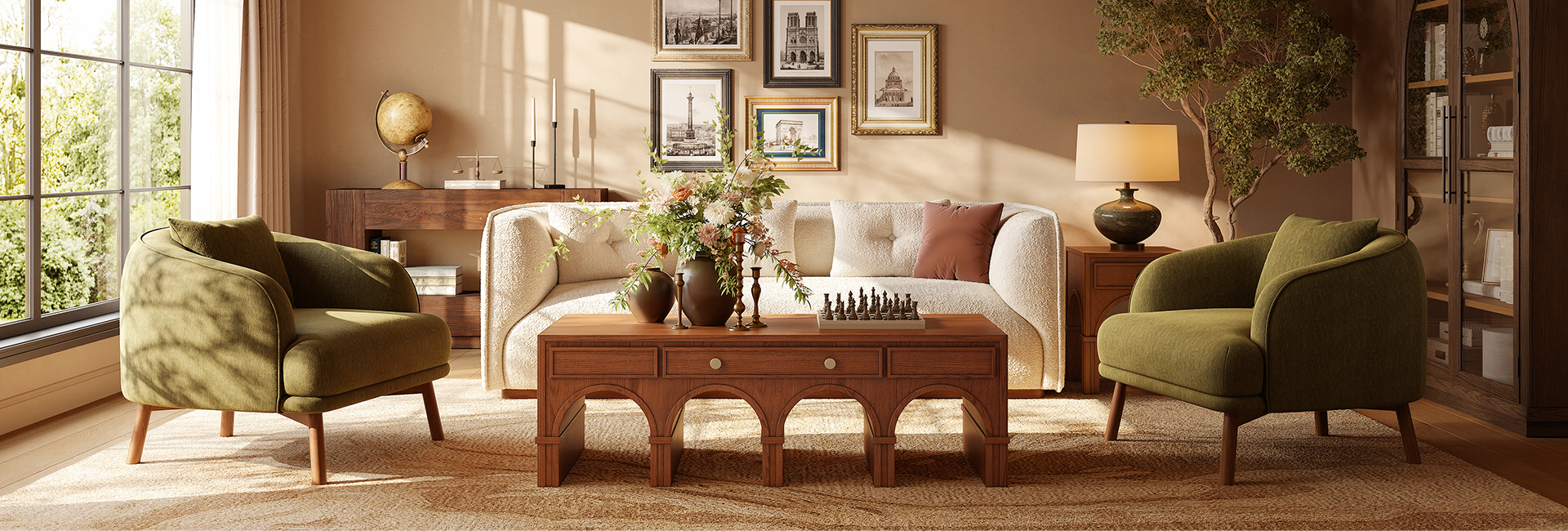
Choosing the right coffee table height might sound simple—until you realize your living room feels “off” even though everything looks expensive. Too high, and the table feels bulky and awkward. Too low, and suddenly you’re leaning forward like you’re at a picnic.
The truth is, most homeowners don’t fail at style—they fail at proportions. And that’s exactly what this guide solves.
Whether you're wondering how high should a coffee table be, comparing average coffee table height, or debating whether a coffee table taller than sofa actually works, this is your complete, real-world answer—not theory, but what actually works in lived-in homes.
Table of Contents
- Why Coffee Table Height Matters More Than Most People Think
- What Is the Standard Coffee Table Height?
- How High Should a Coffee Table Be?
- Should a Coffee Table Be Taller Than the Couch?
- Is 18 Inches Too High for a Coffee Table?
- Is 16 Too Low for a Coffee Table?
- Coffee Table Height by Sofa Type
- Coffee Table Height for Different Room Sizes
- Round vs Rectangular Coffee Tables: Does Shape Affect Height?
- Coffee Table Measurements Beyond Height
- Best Coffee Table Height for Different Uses
- Designer-Approved Coffee Table Styling Tips
- Real-World Examples and Expert Recommendations
- Final Thoughts: Choosing the Right Coffee Table Height
- FAQs
- What is the ideal height for a coffee table?
- Should a coffee table be taller than the couch?
- Is 18 inches too high for a coffee table?
- Is 16 too low for a coffee table?
- What coffee table height works best with sectionals?
- Are low coffee tables still in style?
- How do I measure the correct coffee table height?
- What happens if a coffee table is too tall?
Why Coffee Table Height Matters More Than Most People Think
How the Wrong Height Affects Comfort and Function
A wrong coffee table height is one of those silent design mistakes—you feel it before you notice it visually.
From real-world furniture fit studies and interior design field observations, three issues show up repeatedly:
-
Too tall: elbows raised, drinks awkward to reach
-
Too low: constant bending = back strain
-
Mismatched scale: room feels “unbalanced”
Most designers agree that comfort always beats aesthetics. As one U.S. interior stylist puts it:
“People don’t complain about color first—they complain about function. Coffee table height is one of the first comfort issues we fix in living rooms.”
This is why understanding how high should a coffee table be matters more than choosing the table itself.
The Connection Between Coffee Table Height and Interior Design
Design isn’t just about objects—it’s about relationships between objects.
Your coffee table height directly interacts with:
-
Sofa seat height
-
Armrest position
-
Room scale
-
Walking flow
A well-balanced living room almost always follows one rule: the table should visually “sit” with the sofa—not compete with it.
This is also why average coffee table height trends remain stable across decades. Even as styles change, human ergonomics don’t.
Expert Insight: Why Designers Follow the “2-Inch Rule”
Across professional furniture design guidelines, a consistent principle appears:
A coffee table should be level with the sofa seat or 1–2 inches lower.
This “2-inch rule” is widely used because it supports both posture and usability.
When evaluating how high should a coffee table be, professionals rarely go beyond this range unless the table serves multiple functions (like storage or dining).
What Is the Standard Coffee Table Height?
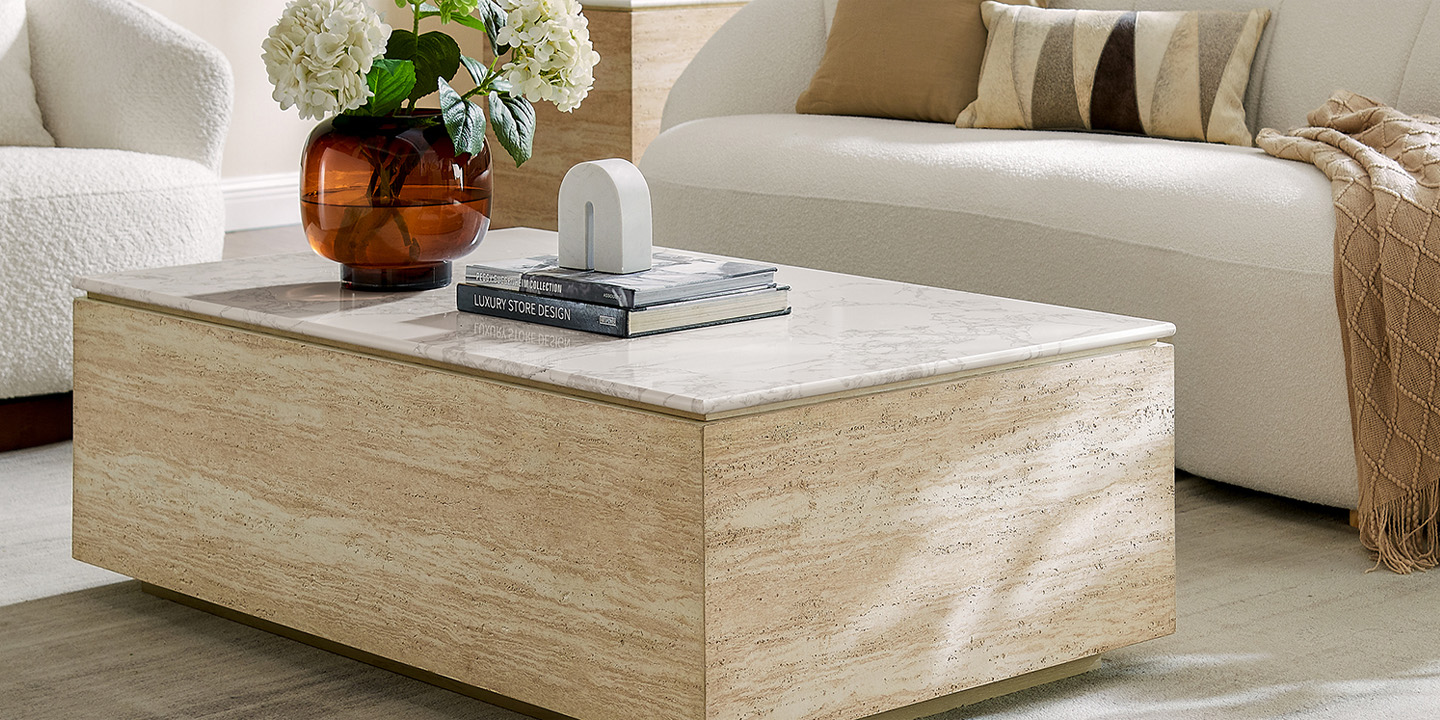
Understanding the standard coffee table height is the foundation of getting your living room proportions right. While styles and trends change over time, furniture ergonomics stay surprisingly consistent. Most interior designers and furniture makers rely on a narrow height range that works with the majority of sofas used in modern homes.
Average Coffee Table Height Explained
The average coffee table height typically falls between 16 to 18 inches (40 to 46 cm). This range is widely accepted because it aligns with natural sitting posture on most sofas and sectionals.
In practical terms, this means when you’re seated comfortably, your hands should reach the tabletop without needing to lean forward or lift your arms uncomfortably. This is also why the average coffee table height has remained stable for decades, even as furniture design trends evolve.
This range is consistently supported by furniture designers, interior stylists, and real-world residential staging practices. It simply works for most households.
Standard Coffee Table Height by Furniture Style
While the general standard coffee table height is 16–18 inches, different interior styles may slightly adjust this range:
-
Modern low-profile interiors: 14–16 inches for a more relaxed, lounge-like feel
-
Transitional living rooms: 16–18 inches for balanced functionality
-
Traditional setups: 18–20 inches to match taller, structured seating
Why Style Affects Height Choices
Style influences perception. Lower tables create a casual, airy look, while taller tables feel more formal and grounded. However, even with these variations, most designers avoid going far outside the established standard coffee table height range to maintain usability.
Coffee Table Height vs Sofa Seat Height
The most important relationship in furniture sizing is between coffee table height and sofa seat height. A well-balanced setup follows one simple rule: the table should be level with the sofa seat or 1–2 inches lower.
Most sofa seat heights range from 17 to 20 inches, which is why the average coffee table height naturally falls slightly below or within that range.
Practical Measurement Tip
To get the right fit, measure from the floor to the top of your sofa cushion. Then choose a table that matches or sits just below that number. This ensures the standard coffee table height feels natural, comfortable, and visually aligned with your seating area.
How High Should a Coffee Table Be?
Figuring out how high should a coffee table be is less about trends and more about everyday usability. The right height directly affect comfort, posture, and how naturally you interact with your living space. Designers consistently rely on sofa proportion as the starting point rather than fixed numbers alone.
The Ideal Height Formula Designers Use
The most reliable formula for how high should a coffee table be is simple:
Coffee table height = sofa seat height OR 1–2 inches lower
Most sofa seats range between 17–20 inches, which places the ideal table height in the 16–18 inch range.
This proportional approach ensures natural reach and balanced visual alignment.
When a Taller Coffee Table Makes Sense
A taller table can work in specific real-life situations:
-
Homes where people often eat or work from the sofa
-
Seating with deeper cushions that sink lower when used
-
Accessibility needs where bending should be minimized
For example, in a family room used for casual dining, slightly increasing how high should a coffee table be (toward 18–20 inches) can improve usability without sacrificing too much comfort.
When Lower Coffee Tables Work Better
Lower tables (around 14–16 inches) are better suited for:
-
Minimalist or low-profile seating setups
-
Spaces focused on relaxation rather than dining
-
Rooms where visual openness is a priority
In a lounge-style living room, lowering how high should a coffee table be creates a more relaxed, grounded feel and makes the space appear larger.
Expert Tip: Test Height Before Buying
Before finalizing a choice, simulate the height using stacked books or boxes. Sit on your sofa and check:
-
Can you reach the surface without leaning?
-
Do your elbows stay relaxed?
-
Does the proportion feel visually balanced?
This simple test often reveals more than measurements alone when deciding how high should a coffee table be in a real home setting.
Should a Coffee Table Be Taller Than the Couch?
The Short Answer: Usually No
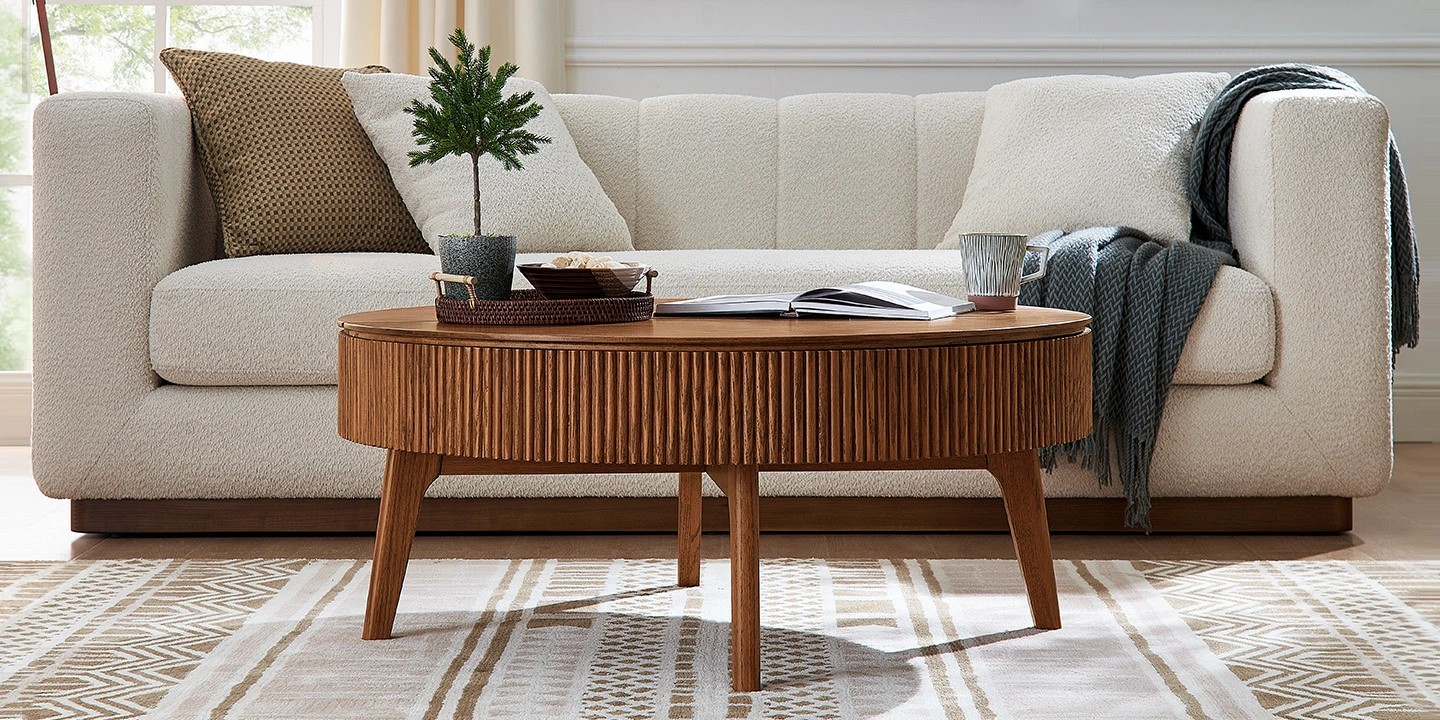
In most real-world setups, a coffee table taller than sofa feels visually heavy and ergonomically awkward.
It disrupts:
-
Sightlines
-
Arm movement
-
Visual harmony
Most designers avoid a coffee table taller than sofa unless there’s a functional reason.
Situations Where It Can Work
A coffee table taller than sofa may work if:
-
Sofa is extremely low
-
Table has lift-top function
-
Room prioritizes utility over aesthetics
Even then, it’s a controlled exception—not the norm.
How Designers Make It Work
When a coffee table taller than sofa is used intentionally:
-
Slim legs reduce visual weight
-
Transparent materials soften presence
-
Minimal styling prevents bulkiness
Common Mistakes to Avoid
-
Pairing tall tables with low sofas
-
Ignoring scale
-
Confusing dining height with coffee table height
Is 18 Inches Too High for a Coffee Table?
When people question whether 18 inches is too high, they are usually reacting to visual expectations rather than actual usability. In reality, 18 inches sits comfortably within the widely accepted standard coffee table height range of 16–18 inches, making it one of the most commonly used measurements in residential interiors.
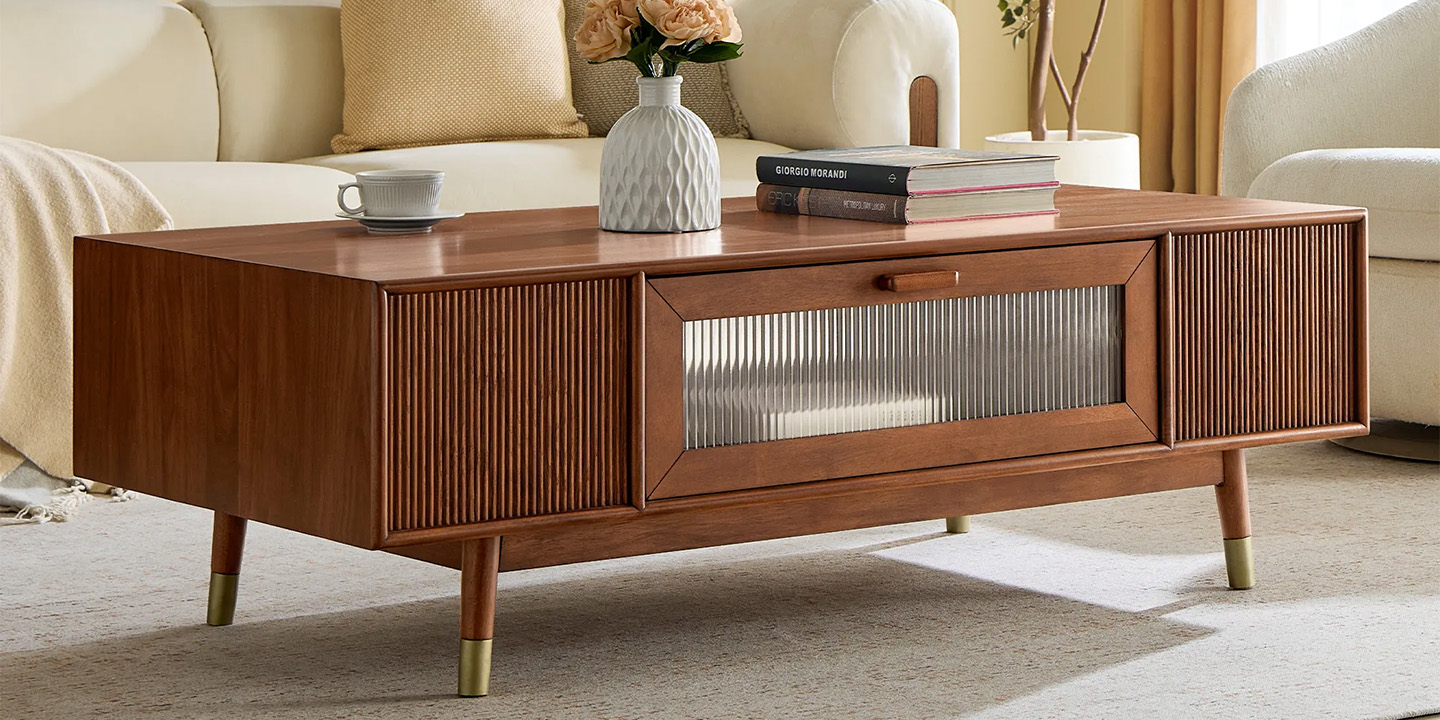
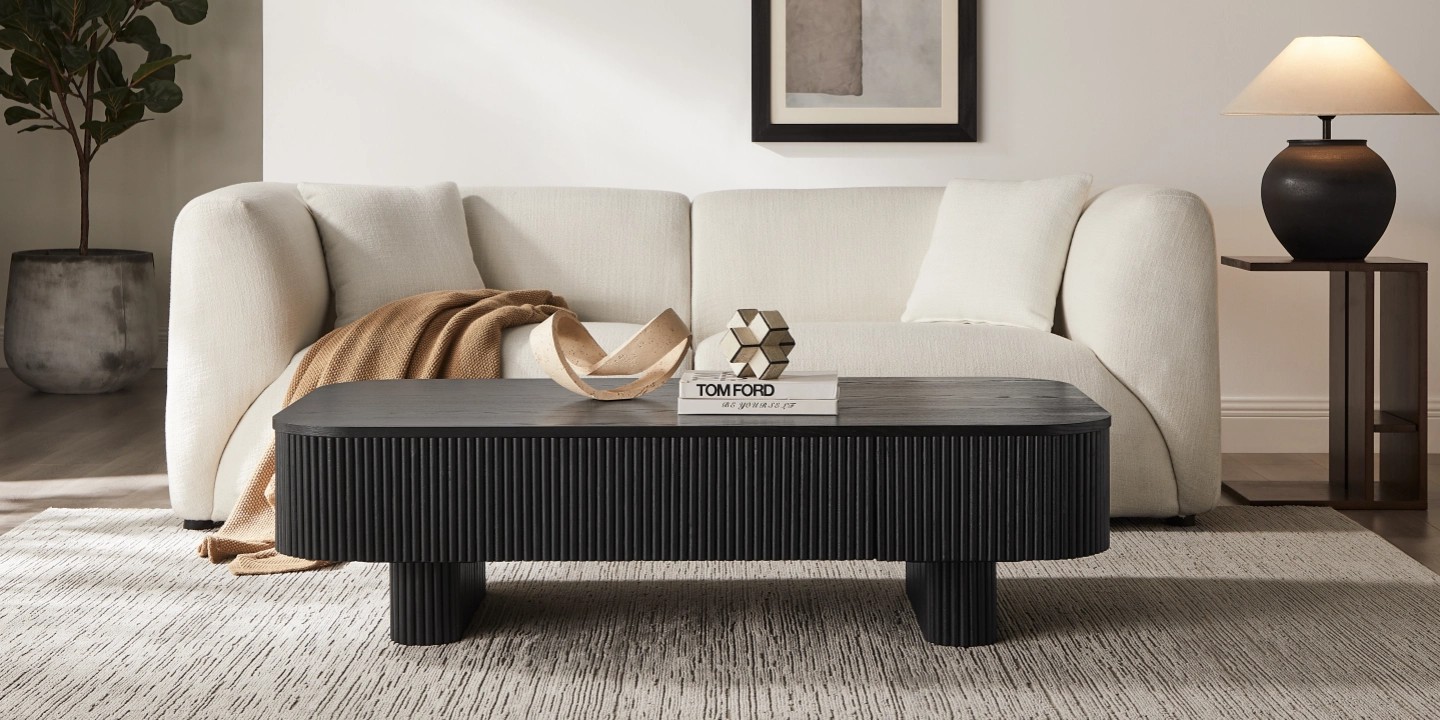
In real-world furniture selection, many homeowners only realize how practical and visually balanced 18 inches feels after comparing actual product dimensions in a living room setting. For example, the Stavn 55" MCM Fluted Coffee Table features an 18-inch height paired with a wide 55-inch surface and fluted mid-century modern detailing, creating a proportion that works especially well with standard sofas and modern sectionals. Its balanced profile demonstrates why 18 inches continues to define the average coffee table height used in contemporary interiors while still maintaining comfortable reach and everyday functionality.
Why 18 Inches Is Actually a Common Standard
An 18-inch table is not an exception—it is a benchmark. It aligns closely with most sofa seat heights, which typically fall between 17 and 20 inches. This makes 18 inches a natural midpoint for ergonomic reach and visual balance.
In everyday use, an 18-inch surface allows:
-
Easy access to drinks and objects without leaning
-
Comfortable arm positioning when seated
-
Balanced proportion with mid-height sofas
This is why many designers still consider 18 inches part of the average coffee table height range, especially in transitional and traditional interiors.
When 18 Inches May Feel Too Tall
Despite being standard, 18 inches can feel high in certain environments:
-
Very low-profile sofas (14–16 inch seat height)
-
Minimalist lounge setups with deep seating
-
Small rooms where visual lightness is preferred
For example, pairing an 18-inch table with a low modular sofa can disrupt sightlines and make the space feel heavier than intended.
Best Sofa Heights for an 18-Inch Coffee Table
The key to using 18 inches effectively is matching it correctly:
When paired correctly, an 18-inch table comfortably fits within the expected standard coffee table height range and supports both function and visual harmony.
Is 16 Too Low for a Coffee Table?
Whether 16 inches is too low depends entirely on how the living room is used and the height of surrounding seating. While it sits on the lower end of the standard coffee table height range, it is still widely used in modern interiors where comfort and visual openness are prioritized.
Why 16 Inches Is Popular in Modern Homes
A 16-inch table has become increasingly common because it aligns with contemporary design preferences. In many modern spaces, furniture sits lower to the ground, which makes the room feel more open and relaxed.
This height works well because:
-
It matches low-profile sofa designs
-
It enhances visual spaciousness in smaller rooms
-
It supports a lounge-style seating experience
In fact, 16 inches is often included within discussions of average coffee table height, especially in minimalist or Scandinavian-inspired interiors where proportions are intentionally lower.
Situations Where 16 Inches May Be Too Low
Despite its popularity, 16 inches may feel impractical in some cases:
-
Taller sofa seat heights (18–20 inches)
-
Households that frequently eat or work at the table
-
Users who prefer upright seating posture
For example, pairing a 16-inch table with a deep, tall sofa can create an awkward reach distance, reducing everyday usability.
How to Decide Between 16-Inch and 18-Inch Heights
The choice between 16 and 18 inches comes down to function versus aesthetics:
When evaluating how high should a coffee table be, 16 inches favors style and openness, while 18 inches supports broader everyday functionality.
Coffee Table Height by Sofa Type
Choosing the right coffee table height becomes much easier when you stop thinking in isolation and start matching it to the sofa type. Every sofa design has a different seat depth, cushion height, and visual weight, which directly affect what feels like a balanced table height.
Standard Sofas
Standard sofas usually have seat heights between 17–20 inches, making them the most flexible pairing option.
-
Recommended coffee table height: 16–18 inches
-
Best match: aligns closely with standard coffee table height principles
-
Example: A mid-height three-seat sofa pairs comfortably with an 18-inch table for balanced reach and proportion
This category represents the most common scenario used when defining average coffee table height.
Sectionals
Sectionals tend to be larger and deeper, requiring careful proportion control.
-
Recommended height: 16–18 inches
-
Wider surface area often compensates for slightly lower height
-
Goal: maintain reach distance across multiple seating zones
In larger layouts, staying within standard coffee table height ensures usability from all angles.
Low-Profile Modern Sofas
Low-profile sofas sit closer to the ground, often around 14–16 inches seat height.
-
Recommended table height: 14–16 inches
-
A lower table preserves visual harmony
-
Helps maintain the relaxed aesthetic typical of modern interiors
This is where average coffee table height trends may shift downward intentionally.
Reclining Sofas
Reclining sofas introduce movement and variable seating positions.
-
Recommended height: 16–18 inches
-
Avoid overly tall tables to prevent contact when reclining
-
Ensure clearance for foot extension and motion
Sleeper Sofas
Sleeper sofas require flexibility since they serve dual functions.
-
Recommended height: 16–18 inches
-
Prioritize easy access when the bed is extended
-
Avoid overly low tables that become impractical during use
In this category, maintaining standard coffee table height ensures the most consistent usability across both seating and sleeping configurations.
Coffee Table Height for Different Room Sizes
Room size plays a subtle but important role in selecting the right coffee table height. While ergonomics still depend on sofa seating, spatial perception can shift how tall or low a table feels in the room.
Small Living Rooms
In compact spaces, the goal is to keep the room visually light and uncluttered.
-
Recommended height: 14–16 inches
-
Works best with lower-profile seating
-
Helps avoid visual heaviness
Even though slightly below the typical standard coffee table height, this range aligns with many average coffee table height preferences in modern apartments. A lower profile also improves movement flow in tight layouts.
Large Living Rooms
Larger rooms can handle more visual weight without feeling crowded.
-
Recommended height: 16–18 inches
-
More flexibility in design choice
-
Better anchoring for wide seating arrangements
In spacious environments, staying within standard coffee table height ensures the table doesn’t feel disconnected from taller sofas or oversized sectionals.
Open-Concept Spaces
Open layouts require visual continuity across dining, kitchen, and seating zones.
-
Recommended height: 16–18 inches
-
Prioritize alignment with sofa seating height
-
Maintain consistent sightlines across zones
Here, coffee table height becomes part of a larger visual system rather than an isolated measurement. A balanced height helps unify the living area without breaking spatial flow.
Round vs Rectangular Coffee Tables: Does Shape Affect Height?
When evaluating coffee table height, many people focus on shape first—but in practice, height rules remain consistent regardless of design. Whether round, rectangular, or layered, the same ergonomic principles apply: alignment with sofa seat height is still the priority.
Round Coffee Tables
Round tables do not change the rules of coffee table height, but they can change perception.
-
Recommended height: 16–18 inches
-
Feel visually lighter in small or tight spaces
-
Improve movement flow around seating areas
Even at the same average coffee table height, round designs often appear lower due to their softened edges and lack of visual corners.
Rectangular Coffee Tables
Rectangular tables are the most common reference point for standard coffee table height guidelines.
-
Recommended height: 16–18 inches
-
Better surface area for multiple users
-
Stronger visual structure in larger rooms
Because of their defined shape, height is perceived more directly, making proportion with the sofa especially important.
Nesting and Multi-Level Coffee Tables
Nesting or multi-level designs introduce variation, but core height rules still apply.
-
Main table typically follows standard coffee table height (16–18 inches)
-
Secondary tables may vary slightly (14–17 inches)
-
Designed for flexibility in use and spacing
These setups allow users to adapt coffee table height dynamically based on activity, making them ideal for multifunctional living spaces.
Coffee Table Measurements Beyond Height
While coffee table height is the most critical factor for comfort, it is only one part of proper proportioning. Length, spacing, and surface area all work together to create a functional and visually balanced living room setup.
Ideal Coffee Table Length
A good rule of thumb is that the table should be about two-thirds the length of the sofa. This keeps the composition balanced without overwhelming the seating area.
Even with correct proportions, pairing this with proper coffee table height ensures both comfort and usability.
Recommended Distance Between Sofa and Coffee Table
Spacing is just as important as height.
-
Ideal gap: 14–18 inches
-
Too close: restricts leg movement
-
Too far: reduces usability and reach
This spacing works in harmony with standard coffee table height, ensuring easy access without feeling cramped.
Choosing the Right Width and Surface Area
Width depends on how the table is used:
-
Narrow tables: better for tight spaces
-
Wider tables: ideal for entertaining or families
A well-balanced surface combined with proper average coffee table height improves both daily function and visual stability in the room.
Best Coffee Table Height for Different Uses
The right coffee table height is not one-size-fits-all. It changes depending on how the space is actually used day to day. Understanding function first helps you choose a height that feels natural rather than forced.
For Entertaining Guests
When hosting guests, accessibility becomes the priority.
-
Recommended height: 16–18 inches
-
Easy reach for drinks and snacks
-
Works well with the average coffee table height range
A stable, mid-height surface ensures guests can interact comfortably without leaning forward excessively.
For Families With Kids
Safety and usability are key considerations.
-
Recommended height: 15–17 inches
-
Lower profile reduces injury risk
-
Easier access for children
Rounded edges combined with appropriate standard coffee table height help create a safer everyday environment.
For Working From the Sofa
Functionality becomes more important than aesthetics here.
-
Recommended height: 17–20 inches
-
Supports laptops and writing tasks
-
Reduces neck and shoulder strain
In this case, slightly higher than typical coffee table height may improve comfort.
For Luxury Interior Styling
Luxury spaces focus on proportion and visual rhythm.
-
Recommended height: 16–18 inches
-
Emphasizes balance and symmetry
-
Keeps sightlines clean and intentional
Even in high-end interiors, staying within average coffee table height ensures elegance without sacrificing usability.
Designer-Approved Coffee Table Styling Tips
Beyond selecting the right coffee table height, styling plays a major role in how the piece feels within a room. Designers consistently emphasize that proportion, layering, and surrounding elements can completely change the visual impact of the same table.
How Height Changes Visual Balance
Even within the same standard coffee table height, perception can vary depending on styling.
-
Lower tables feel more relaxed and spacious
-
Taller tables create a stronger visual anchor
-
Mid-range heights (16–18 inches) offer the most balanced look
For example, a 16-inch table may feel airy in a small room, while an 18-inch version adds presence in a larger seating area. This is why average coffee table height is often used as a neutral design baseline.
Pairing Coffee Tables With Rugs
Rugs directly influence how coffee table height is perceived:
-
Thick rugs make tables appear lower
-
Flat rugs emphasize actual height
-
Proper rug sizing prevents visual imbalance
A well-proportioned rug anchors the seating area and reinforces the relationship between sofa and standard coffee table height.
Styling Tall and Low Coffee Tables Differently
Different heights require different styling approaches:
Adjusting décor scale ensures that coffee table height works harmoniously with the rest of the room rather than competing with it.
Real-World Examples and Expert Recommendations
When it comes to choosing the right coffee table height, real-world examples often reveal more than theory. Designers rely on proportion rules, but homeowners’ experiences and product-level details help confirm what actually works in daily life.
In practical furniture collections, many modern coffee tables are designed around the standard coffee table height range of 16–18 inches, ensuring they align with typical sofa seating ergonomics. For example, several lift-top and solid wood designs in curated coffee table collections follow this height logic, showing how consistent industry standards are across different styles and functions.
Elevate Your Furniture Experience with Hernest Signature Member
Finding the perfect coffee table is only the first step. A truly effortless living room experience begins when your furniture arrives exactly the way you imagined it.
With Hernest Signature Member, enjoy premium benefits designed for a seamless home transformation:
Interior Designer Opinions on Coffee Table Height
Most interior designers agree that coffee table height should stay within a predictable ergonomic window rather than chasing trends.
Common professional principles include:
-
Keep table height aligned with sofa seat height
-
Stay within the average coffee table height range of 16–18 inches
-
Avoid designs that visually overpower seating
Designers often emphasize that the standard coffee table height exists because it consistently supports posture, reach distance, and visual balance across most living room layouts.
What Reddit Users and Homeowners Say
Real user feedback often highlights usability issues more than aesthetics.
Across homeowner discussions, common insights include:
-
Tables above seating height feel “awkward to use daily”
-
Very low tables reduce practicality for drinks or snacks
-
Mid-range heights feel the most natural over time
These experiences reinforce why most people eventually settle within the average coffee table height range, even if they initially experiment with different styles.
Case Study: Choosing the Right Height for a Modern Sectional
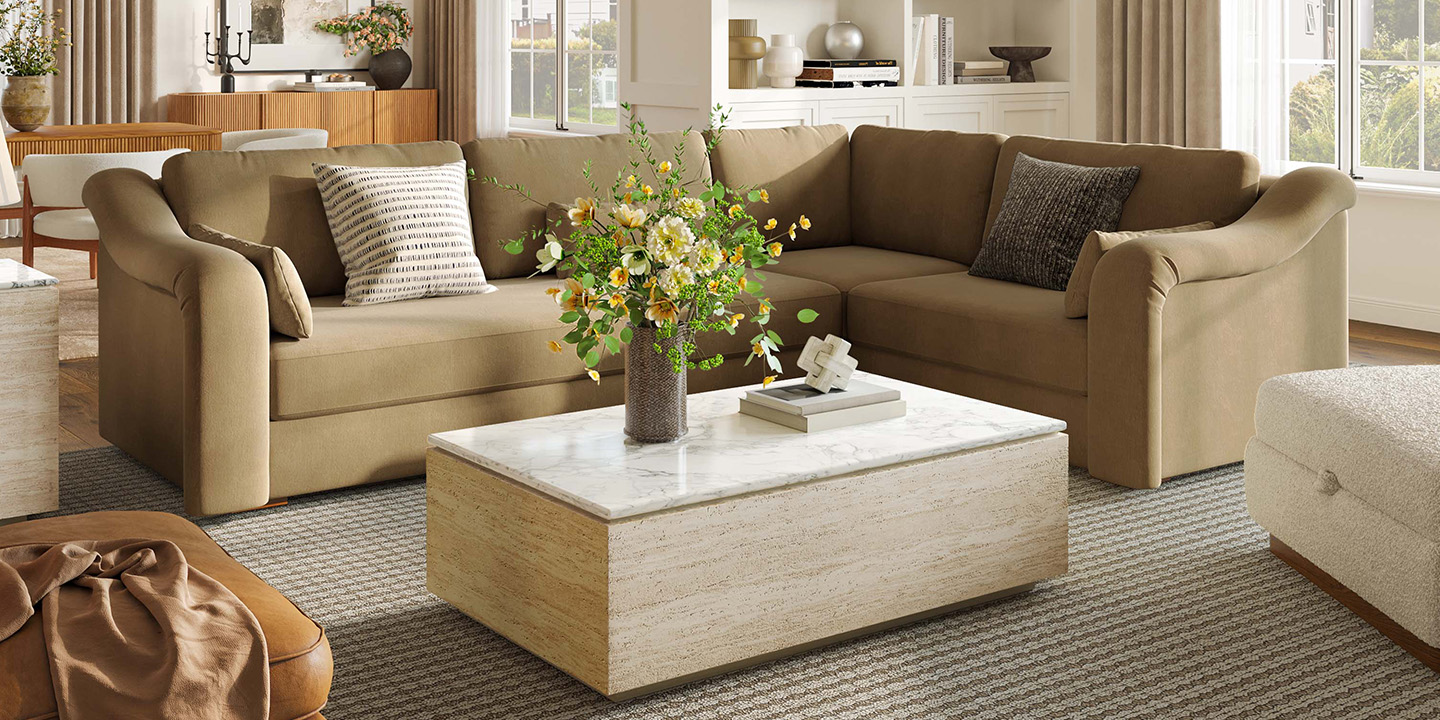
A typical modern sectional sofa creates a real-world test scenario for coffee table height selection.
Setup analysis:
Final outcome:
A table within the standard coffee table height range (16–18 inches) delivers the best usability and visual harmony.
This case confirms a key takeaway: regardless of style, staying close to average coffee table height remains the most reliable design decision in real homes.
Final Thoughts: Choosing the Right Coffee Table Height
Choosing the right coffee table height ultimately comes down to one simple principle: balance between comfort, function, and visual harmony. While trends may shift, most real-world use cases consistently point back to the same reliable range—close to sofa seat height or slightly lower, typically within the average coffee table height of 16–18 inches.
Rather than focusing only on aesthetics, it’s more practical to consider how the table will be used daily. Whether for entertaining guests, casual lounging, or working from the sofa, the standard coffee table height exists because it supports natural posture and easy reach in most living room setups.
In the end, the best choice is not the tallest or the lowest option, but the one that feels effortless in your space. When proportion and usability align, the coffee table naturally becomes a functional and visually grounded part of the room.
FAQs
What is the ideal height for a coffee table?
The ideal coffee table height is usually the same height as your sofa seat cushions or about 1–2 inches lower. In most homes, that means a table between 16 and 18 inches, which aligns with the typical average coffee table height used in modern living rooms.
Should a coffee table be taller than the couch?
In most cases, no. A coffee table taller than sofa seating can feel awkward visually and less comfortable to use. Interior designers generally recommend keeping the table level with the sofa seat or slightly lower for better balance and reach.
Is 18 inches too high for a coffee table?
No. Eighteen inches is considered part of the standard coffee table height range and works well with sofas that have seat heights around 18–20 inches. It is one of the most commonly used heights in American homes.
Is 16 too low for a coffee table?
Not necessarily. Sixteen inches is common in modern and low-profile interiors. However, it may feel too low if your sofa sits high or if you frequently eat or work from the table.
What coffee table height works best with sectionals?
For most sectionals, the best coffee table height falls between 16 and 18 inches. The ideal choice depends on the sectional’s seat height and cushion depth.
Are low coffee tables still in style?
Yes. Low coffee tables remain popular in modern, minimalist, and lounge-inspired interiors because they create a more open and relaxed look.
How do I measure the correct coffee table height?
Measure from the floor to the top of your sofa seat cushion. Then choose a coffee table that matches that height or sits about 1–2 inches lower for the most comfortable setup.
What happens if a coffee table is too tall?
A table that is too tall can disrupt visual balance, make reaching items uncomfortable, and create an awkward seating experience. It may also make the room feel more crowded than intended.