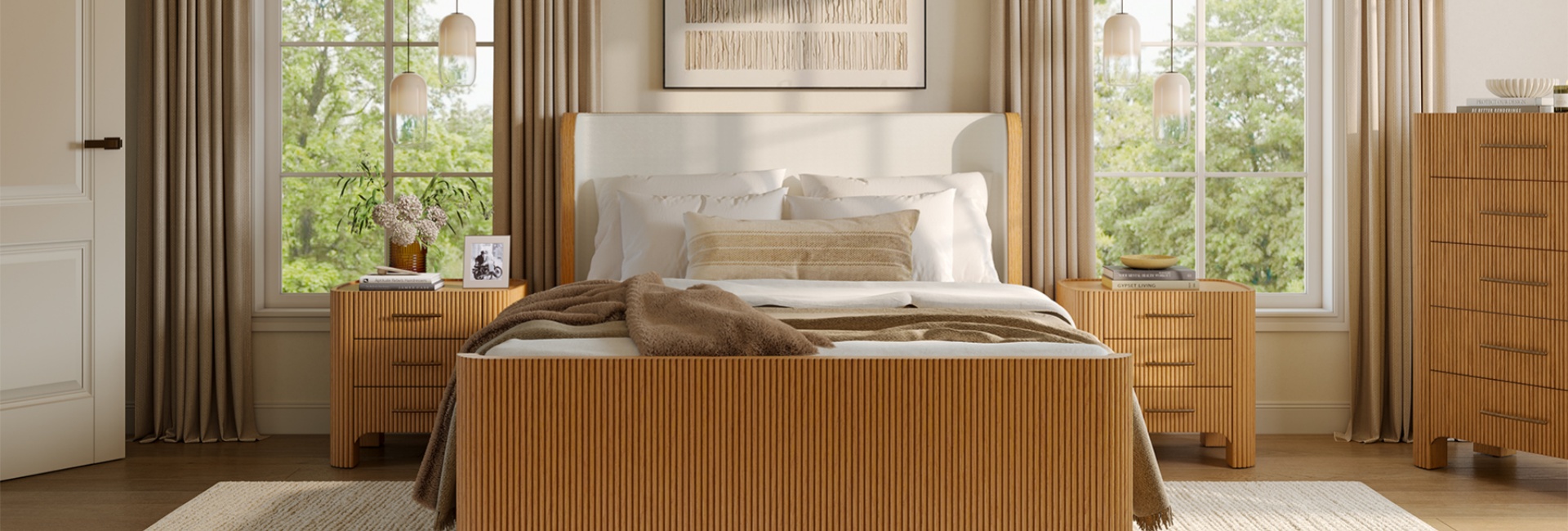
When it comes to designing a functional and comfortable bedroom, few decisions matter as much as choosing the right average dresser size. It might sound simple at first—just pick something that looks good—but in reality, dresser dimensions influence storage capacity, movement flow, and even how balanced your bedroom feels visually.
Most homeowners only realize the importance of average dresser size after they’ve purchased a piece that’s either too bulky or too small. This article breaks down everything you need to know—from average dresser height to depth, width, and real-world room fit—so you can confidently choose the right piece for your space.
Table of Contents
- Why Understanding Average Dresser Size Matters
- What Is the Average Dresser Size?
- How Tall Is a Dresser?
- Average Dresser Height by Dresser Type
- Tall Chest of Drawers vs Standard Dresser
- Choosing the Right Dresser Size for Your Bedroom
- Average Dresser Size by Drawer Count
- How Much Storage Does a Dresser Really Provide?
- Common Dresser Size Mistakes to Avoid
- Dresser Placement Tips from Interior Designers
- Average Dresser Size Recommendations by Bedroom Type
- Final Thoughts: Finding the Ideal Average Dresser Size for Your Space
- FAQs
- What is the average size of a 6 drawer dresser?
- How big should a dresser be against a wall?
- What is the average height of a tall chest of drawers?
- What are the benefits of using a tall chest of drawers?
- What is considered a deep drawer for a dresser?
- What is the average dresser height?
- What is the standard dresser height?
- How tall is a dresser compared to a chest of drawers?
- What size dresser works best for a master bedroom?
- How much clearance should be left around a dresser?
Why Understanding Average Dresser Size Matters
How Dresser Dimensions Affect Storage, Layout, and Daily Use
The average dresser size directly impacts how efficiently your bedroom works day to day. A poorly chosen dresser can block walkways, limit storage, or feel visually overwhelming. On the other hand, the right average dresser size enhances flow, organization, and comfort.
For example, designers often emphasize that the average dresser size should not overpower the bed or nightstands. Instead, it should complement them, creating balance across the room. When evaluating average dresser size, consider:
Storage needs per person
Available wall length
Clearance for drawers
Room traffic flow
Repeated studies in interior planning reports show that improper average dresser size selection is one of the top three layout mistakes in bedroom design.
What Furniture Experts Consider Before Recommending a Dresser
Professionals rarely look at appearance alone. Instead, they evaluate average dresser size using spatial logic:
Room square footage
Bed size (Queen/King)
Ceiling height
Existing furniture scale
User lifestyle
As one interior designer noted in a residential planning interview, “A dresser should serve the room, not dominate it. The average dresser size must always be proportional to the sleeping area.”
This is why understanding average dresser size is essential before purchasing anything.
What Is the Average Dresser Size?
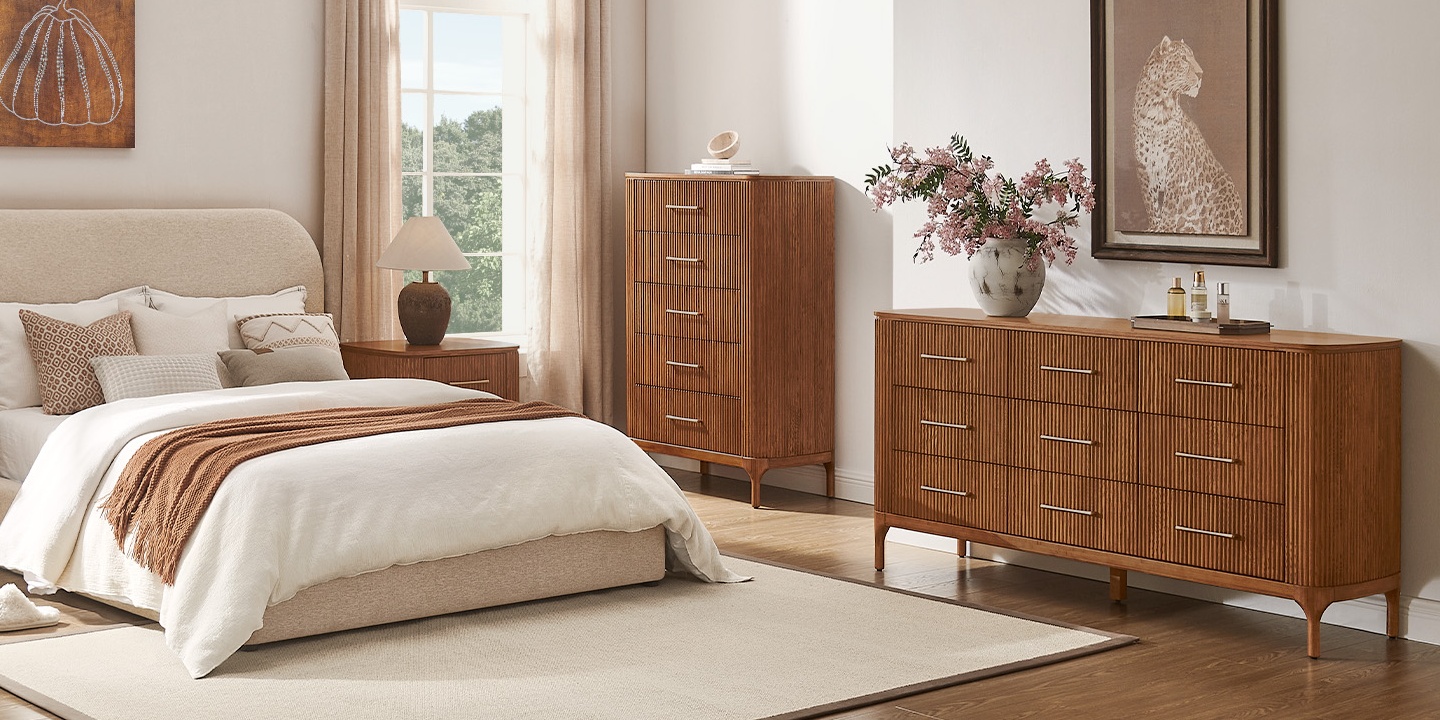
Understanding the average dresser size is essential when planning a functional bedroom layout. While designs vary slightly by style and manufacturer, most dressers follow a predictable dimensional range based on usability, ergonomics, and storage efficiency. In practical interior design, the average dresser size is not just about numbers—it directly affects how comfortably you move, store clothing, and interact with your space every day.
Average Dresser Width
The average dresser size in terms of width typically falls between 48 and 72 inches. This range accommodates most bedroom layouts, from compact apartments to spacious primary suites.
Smaller bedrooms often work best with a 48–60 inch width
Standard family bedrooms usually use around 60–66 inches
Larger rooms may extend to 72 inches or more
For example, a 60-inch dresser is widely considered a balanced midpoint of average dresser size, offering enough drawer space without overwhelming the wall.
Average Dresser Height
The average dresser height generally ranges from 30 to 36 inches, which is widely recognized as the ergonomic standard in furniture design. This height allows users to comfortably access the top surface while also supporting mirror placement.
In real-world usage, the average dresser height is influenced by:
Drawer configuration
Base or leg height
Overall design style
Interior designers often note that maintaining a consistent average dresser height helps create visual harmony between the bed, nightstands, and storage units.
Average Dresser Depth
The depth of the average dresser size usually falls between 16 and 22 inches. This measurement is critical because it determines how much floor space the dresser occupies and how deeply drawers can extend.
16–18 inches: Ideal for small bedrooms or tight walkways
18–20 inches: Standard and most common range
20–22 inches: Deeper storage, best for larger rooms
A deeper dresser may increase storage, but it can also reduce circulation space if not planned carefully—something often highlighted in professional furniture planning guides.
Quick Reference Chart: Average Dresser Dimensions by Type
Below is a practical breakdown of average dresser size across common furniture types used in residential bedrooms:
This comparison highlights how average dresser size remains relatively consistent in depth, while height varies significantly depending on whether the design is horizontal or vertical.
How Tall Is a Dresser?
When people ask how tall is a dresser, they’re usually trying to solve a practical problem: will it feel comfortable to use, and will it fit naturally in the bedroom layout? In most residential interiors, dresser height is standardized within a fairly narrow range to balance ergonomics, storage efficiency, and visual proportion.
Understanding Standard Dresser Height
The standard dresser height typically ranges from 30 to 36 inches, which also represents the most common how tall is a dresser benchmark in the furniture industry. This range is widely used because it aligns with hip-level ergonomics for most adults, making daily use easy and natural.
In practical terms, a dresser at this height allows users to:
Reach the top surface without strain
Place a mirror comfortably above it
Maintain visual balance with bed height
For example, a 34-inch dresser is often considered a “neutral” height within the standard how tall is a dresser category because it works well in both small and large bedrooms.
Factors That Influence Dresser Height
Several design and structural elements directly affect how tall is a dresser:
Drawer count: More drawers usually increase height
Storage style: Vertical storage increases overall height
Base design: Legs vs. solid base can shift measurements by 2–5 inches
Room function: Guest rooms often use lower profiles, while primary bedrooms may use taller builds
Because of these variations, the perceived how tall is a dresser measurement can shift even when width remains similar.
Dresser Height vs User Comfort
Comfort is the most overlooked part of how tall is a dresser selection. A well-balanced dresser should sit roughly at waist to hip level, allowing natural reach without bending or stretching.
From a usability standpoint:
Below 30 inches → feels too low, less ergonomic
30–36 inches → ideal standard dresser height range
Above 36 inches → begins transitioning into vertical storage units
Interior professionals often note that the right how tall is a dresser choice improves daily usability more than any other dimension. For instance, in smaller bedrooms, a slightly taller dresser may improve storage efficiency, but if it exceeds comfort height, it can quickly become inconvenient in daily routines.
Average Dresser Height by Dresser Type
When evaluating average dresser height, it is important to understand that each dresser category follows a slightly different ergonomic and structural logic. Height is not just a design choice—it reflects storage strategy, room proportion, and usability in daily life. Below is a practical breakdown of average dresser height across common dresser types, based on standard residential furniture measurements.
Standard Horizontal Dressers
Standard horizontal dressers typically define the baseline for average dresser height, usually ranging from 30 to 36 inches. This height supports easy access to the top surface while keeping the structure visually balanced in most bedrooms.
In practice, this average dresser height works well in medium to large rooms where width is prioritized over vertical storage. It also pairs naturally with wall mirrors and bedside furniture, maintaining a consistent sightline across the room.
Double Dressers
Double dressers are wider storage units designed for shared or primary bedrooms. Their average dresser height is slightly higher, typically around 34 to 38 inches, to accommodate additional drawer capacity without expanding footprint depth.
This subtle increase in average dresser height helps maintain proportional balance despite increased width. In real-world layouts, double dressers often serve as anchor pieces, especially when paired with larger bed frames.
Tall Dressers
Tall dressers shift the focus from width to vertical storage, making them a space-efficient alternative. Their average dresser height ranges from 50 to 65 inches, depending on drawer count and internal configuration.
This category is ideal for compact bedrooms where floor space is limited. The increased average dresser height allows users to maximize storage without sacrificing walking clearance, making it a practical solution for urban living environments.
Tall Dresser 5 Drawer Dimensions
A tall dresser 5 drawer configuration is one of the most efficient vertical storage solutions within modern bedroom design. Typical average dresser height for this type is around 52 to 60 inches, with narrower widths to maintain stability.
A strong real-world example is the Finnley 5-drawer chest, measuring 38" W × 18.3" D × 54.3" H. This model reflects a refined interpretation of average dresser height, combining vertical efficiency with structural durability.
Key design features include:
Crafted of poplar wood and engineered wood with poplar wood veneers
Dovetail joint drawers for long-term strength
Vertical fluted detailing for visual depth
Anti-tip hardware (included)
This configuration demonstrates how average dresser height can be elevated through vertical design without compromising stability or usability.
Tall Chest of Drawers Dimensions
A tall chest of drawers typically aligns closely with tall dresser specifications, with an average dresser height ranging from 55 to 65 inches. However, its defining characteristic is a more compact footprint combined with deeper vertical stacking.
Compared to horizontal designs, a tall chest of drawers prioritizes upward expansion, making it especially suitable for smaller bedrooms or narrow wall spaces. The increased average dresser height allows for more storage per square foot, which is one of the key reasons this format continues to grow in popularity among space-conscious homeowners.
Tall Chest of Drawers vs Standard Dresser
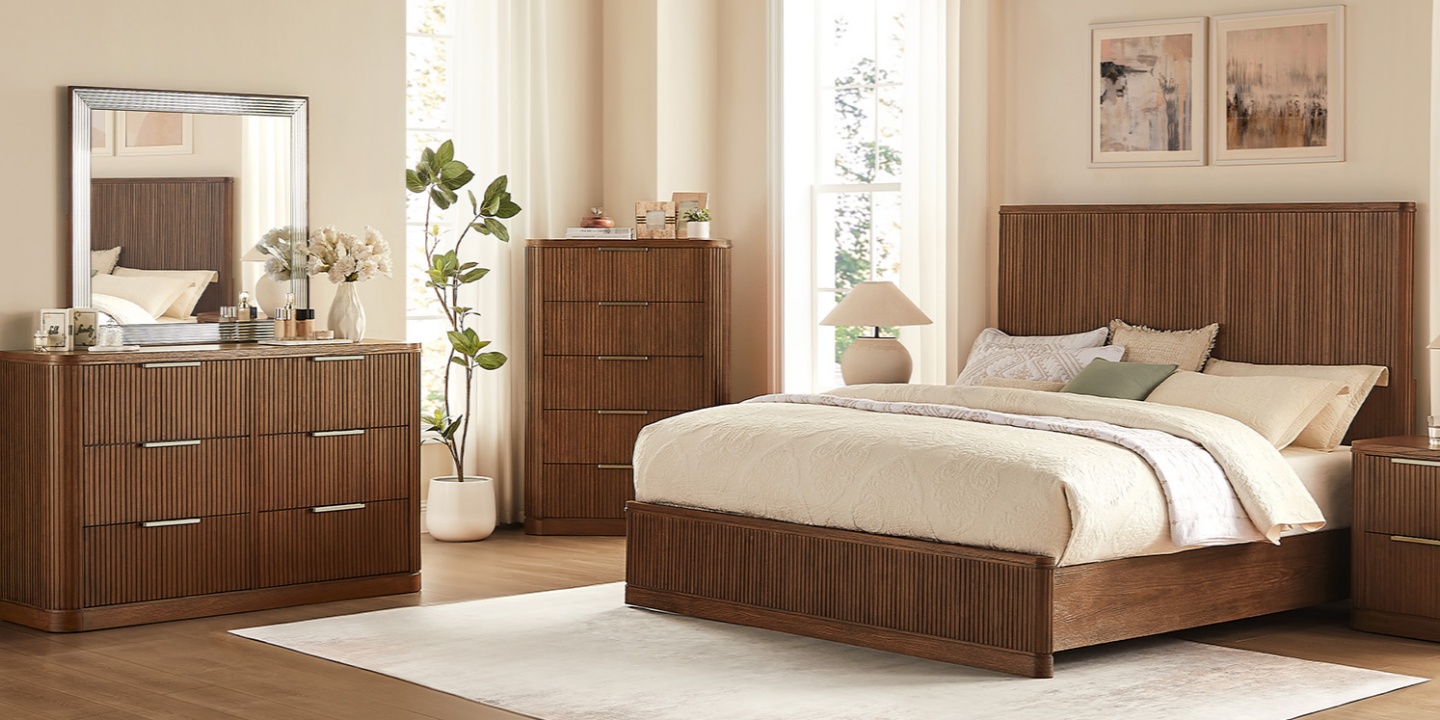
Understanding the difference between a tall chest of drawers and a standard dresser is essential when planning a functional bedroom layout. Although both serve the same core purpose—clothing storage—their structure, footprint, and spatial behavior are significantly different. Choosing the right option often depends on room size, storage needs, and how efficiently vertical space is used.
What Is a Tall Chest of Drawers?
A tall chest of drawers is a vertically oriented storage unit designed to maximize height rather than width. Unlike traditional horizontal dressers, it typically stacks multiple drawers in a narrow footprint, making it ideal for rooms where floor space is limited.
In most residential settings, a tall chest of drawers ranges from 50 to 65 inches in height, while maintaining a relatively compact width of around 30 to 40 inches. This design allows users to store a large volume of clothing without occupying excessive wall space.
For example, in smaller bedrooms or apartments, a tall chest of drawers can replace wider storage units while still providing similar or even greater capacity. It is especially effective for folded garments such as T-shirts, knitwear, and denim, where vertical stacking is more efficient.
Key Differences in Size and Function
The main distinction between a tall chest of drawers and a standard dresser lies in how space is distributed. A standard dresser spreads storage horizontally, while a tall chest of drawers builds upward.
From a practical standpoint, a tall chest of drawers is often chosen when floor space is more limited than vertical space. It allows homeowners to maintain open walking areas while still increasing storage capacity.
However, usability also differs. A standard dresser provides a broader surface for décor or mirrors, while a tall chest of drawers prioritizes internal storage efficiency over surface area.
In real-world bedroom planning, many designers recommend using a standard dresser when width is available, and switching to a tall chest of drawers when maximizing vertical space becomes a priority.
Choosing the Right Dresser Size for Your Bedroom
Selecting the right average dresser size is not just about matching aesthetics—it’s about understanding how the piece interacts with your room’s dimensions, circulation paths, and storage demands. A well-chosen dresser improves daily usability, while the wrong one can make even a spacious bedroom feel cramped or unbalanced.
Measure Your Wall Before Shopping
Before evaluating any average dresser size, start with precise wall measurements. Leave at least 24–36 inches of clearance for movement and drawer access. Also account for baseboards, outlets, and any wall-mounted décor.
A common mistake is choosing a dresser based only on width without considering depth or door swing clearance. In real-world planning, even a few inches can determine whether a dresser fits naturally or disrupts the room flow.
Match Dresser Size to Bedroom Size
Small Bedrooms
Smaller rooms benefit from compact or vertically oriented average dresser size solutions. A narrower footprint helps preserve walking space while still offering essential storage.
Medium Bedrooms
Medium-sized rooms can comfortably accommodate a balanced average dresser size, such as a 5–6 drawer horizontal unit. This allows both storage and surface functionality without overwhelming the layout.
Large Bedrooms
Larger spaces allow for wider dressers that emphasize proportion and visual grounding. A full-scale average dresser size piece can act as an anchor against a long wall, improving spatial symmetry.
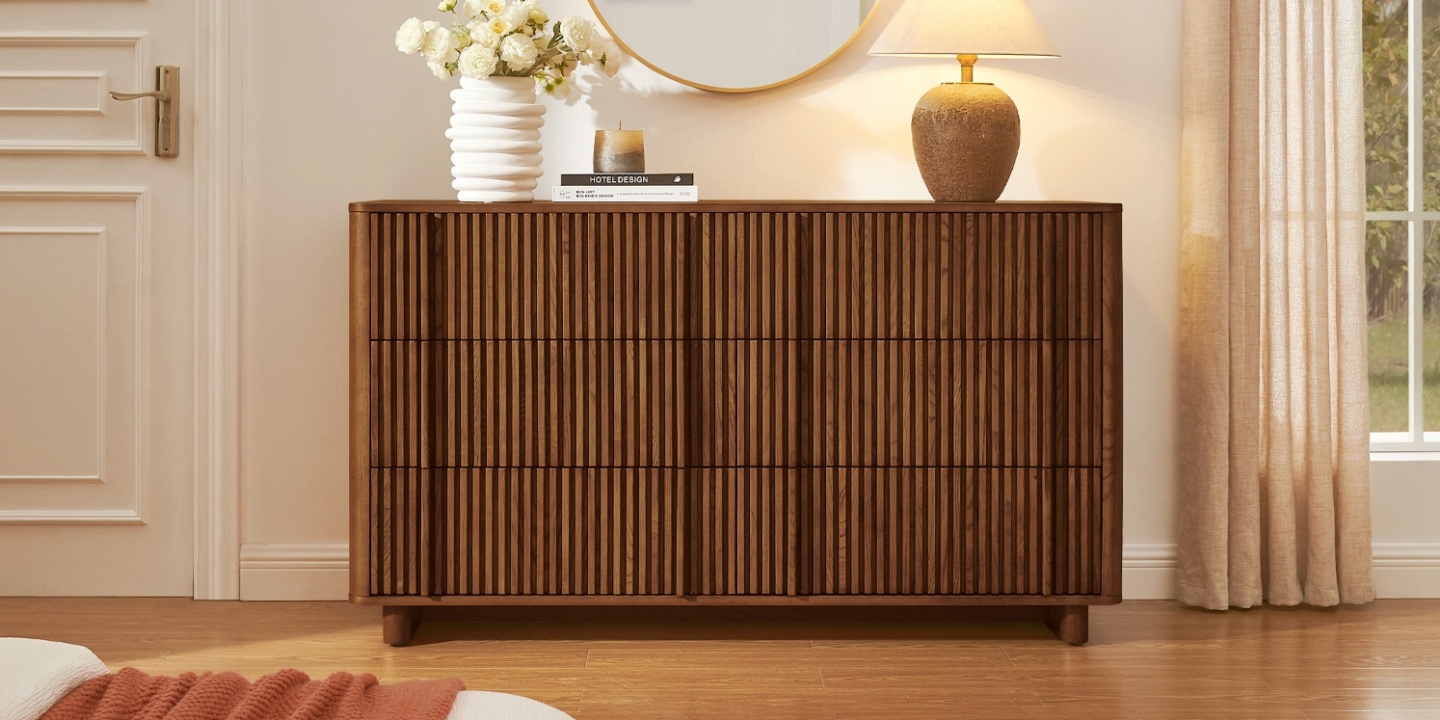
A strong example is the Skugga 6-drawer dresser, measuring 63"W × 18.1"D × 34.3"H, which fits the standard average dresser size range while offering a more substantial presence for primary bedrooms. Its fluted oak texture and lifted leg design also help maintain visual lightness despite its wider footprint.
Consider Traffic Flow Around the Room
Good layout design always prioritizes movement. When evaluating average dresser size, ensure at least 30 inches of clearance in front of the unit. This allows drawers to open fully without obstructing pathways.
Poor traffic planning often makes even a correctly sized dresser feel oversized. The goal is to let the average dresser size integrate naturally into daily movement patterns, especially near beds and doors.
Account for Additional Furniture
Finally, consider surrounding furniture such as nightstands, beds, and accent seating. These elements directly influence the ideal average dresser size for your room.
For example, pairing a wide dresser with a king bed requires careful balancing so the visual weight does not shift unevenly. A well-proportioned average dresser size ensures the bedroom feels cohesive rather than crowded.
Average Dresser Size by Drawer Count
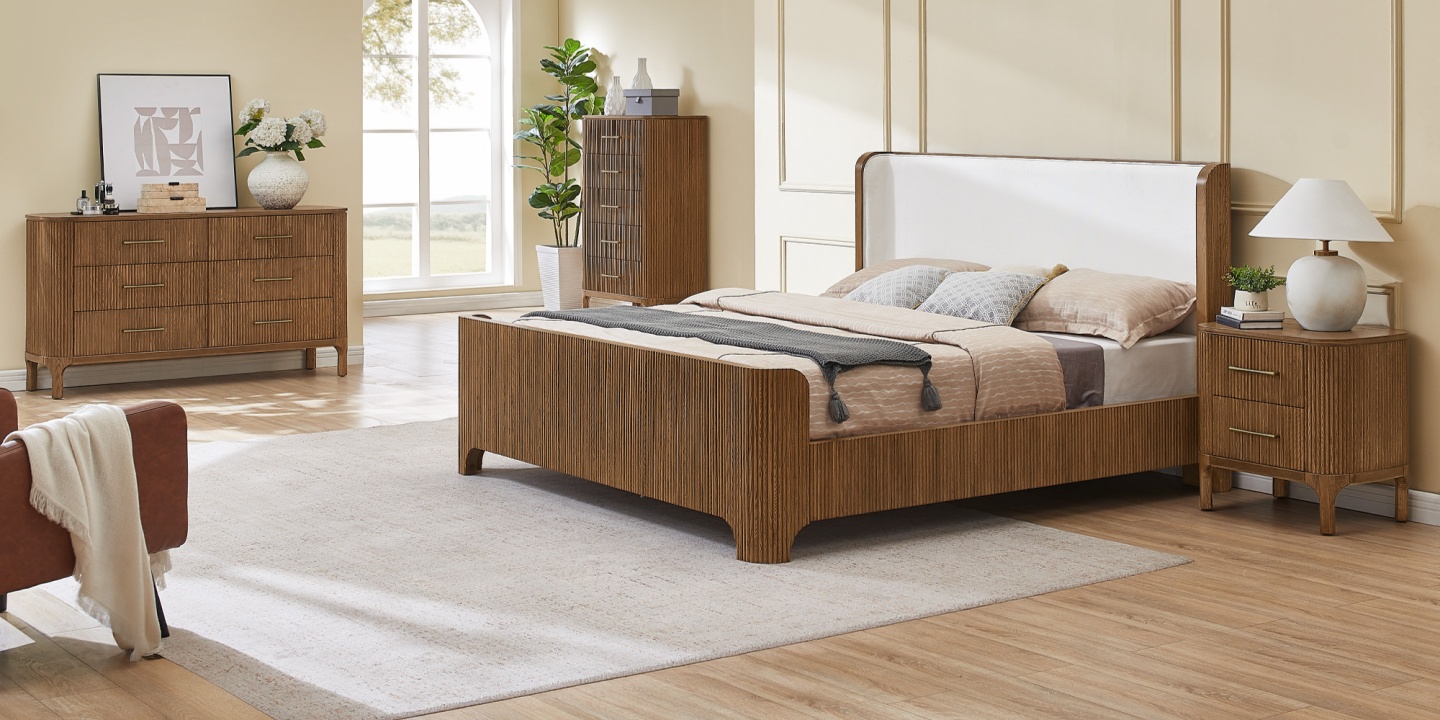
When evaluating average dresser size, drawer count is one of the most practical indicators of both storage capacity and overall footprint. While height and width still matter, the number of drawers often determines how the dresser behaves in real bedroom layouts—whether it prioritizes compact vertical storage or wider horizontal organization.
5-Drawer Dressers
A 5-drawer dresser is typically designed for vertical efficiency, making it ideal for smaller bedrooms or apartments. The average dresser size for this category is around 30–38 inches wide and 50–60 inches tall.
This configuration concentrates storage upward, reducing floor usage while still offering segmented organization for folded clothing. It’s commonly used in rooms where space is limited but storage needs remain high.
6-Drawer Dressers
The 6-drawer dresser represents the most balanced version of average dresser size in residential furniture. It usually measures 54–66 inches wide and 30–36 inches in height.
This layout distributes storage evenly across a horizontal structure, making it suitable for shared bedrooms. It also provides a stable surface for décor, which enhances its functional versatility.
7-Drawer Dressers
A 7-drawer dresser often blends horizontal width with partial vertical stacking. The average dresser size here ranges from 56–68 inches wide and 32–40 inches high.
This hybrid configuration increases storage density without fully transitioning into a tall vertical chest, making it useful for users who need more organization without sacrificing surface space.
9-Drawer Dressers
A 9-drawer dresser represents the upper end of average dresser size, typically ranging from 60–72 inches wide and 34–42 inches high.
Due to its high storage density, this type is often used in primary bedrooms where clothing volume is significantly higher. It requires more wall space but offers superior compartmentalization.
Comparison Table of Common Dresser Sizes
Across all configurations, average dresser size is ultimately defined by how efficiently space is used rather than drawer count alone.
How Much Storage Does a Dresser Really Provide?
When evaluating average dresser size, many people focus on exterior dimensions—but the real question is how much usable storage space a dresser actually offers. In practice, storage capacity depends on drawer depth, internal volume, and how efficiently space is organized. Two dressers with the same average dresser size can still feel very different in daily use depending on how their internal layout is designed.
Understanding Drawer Capacity
Drawer capacity is the most direct indicator of how useful an average dresser size really is. A shallow drawer may look spacious from the outside, but it limits bulky items like sweaters or denim.
In most standard designs, a single drawer typically supports:
Light clothing (T-shirts, socks, undergarments)
Medium folded items (shirts, light sweaters)
Limited bulky storage depending on depth
For example, deeper drawers within a standard average dresser size can hold nearly 30–40% more folded clothing than shallow designs of the same width.
Calculating Cubic Storage Space
A more accurate way to evaluate average dresser size is by calculating cubic storage volume:
Storage Volume = Width × Depth × Drawer Height
Even small changes in depth significantly affect total capacity. For instance:
A 60" wide dresser with 18" depth offers moderate storage
Increasing depth to 20–22" dramatically improves usable volume without changing width
This is why two dressers with identical average dresser size can feel completely different in real-world storage performance.
Choosing Based on Clothing Type
Not all clothing requires the same storage depth, which directly impacts how you interpret average dresser size:
T-shirts and undergarments → shallow to medium drawers are sufficient
Jeans and sweaters → require deeper drawers
Seasonal clothing → benefits from wide, deep storage compartments
A balanced average dresser size should match your wardrobe composition rather than just room dimensions.
When a Tall Dresser Offers More Efficient Storage
A vertical layout often maximizes storage efficiency within a compact average dresser size footprint. By stacking drawers upward, a tall dresser increases total storage capacity without expanding width.
For example, a tall configuration within standard average dresser size limits can provide the same or greater storage than a wider horizontal unit while occupying significantly less floor space.
This makes vertical designs especially effective in smaller bedrooms where optimizing both storage and circulation is essential.
Common Dresser Size Mistakes to Avoid
When choosing an average dresser size, many homeowners focus on aesthetics first and functionality second. In practice, this often leads to layout problems, wasted storage, or poor usability. Understanding the most common mistakes helps ensure the dresser fits both the room and daily routines.
Buying Based Only on Appearance
One of the most frequent errors in selecting average dresser size is prioritizing style over scale. A visually appealing dresser may look perfect in isolation but feel oversized or undersized once placed in the bedroom.
For example, a wide dresser that exceeds the wall proportion can dominate the space, while a too-small unit fails to provide adequate storage. Always evaluate average dresser size in relation to room dimensions, not just design appeal.
Ignoring Wall Measurements
Failing to measure wall space is another critical mistake when working with average dresser size. Even a few inches of miscalculation can block walkways or interfere with door clearance.
A practical rule is to leave at least 24–36 inches of free space around the dresser. This ensures the average dresser size integrates smoothly into the room layout without disrupting movement.
Choosing a Dresser That Is Too Deep
Depth is often overlooked when evaluating average dresser size, but it significantly impacts room flow. A dresser that is too deep may reduce usable floor space and make the room feel cramped.
Typical depth should stay within 16–22 inches. Exceeding this range can cause disproportionate spatial balance, especially in smaller bedrooms.
Forgetting Drawer Extension and Clearance
Many people only consider external average dresser size but ignore drawer extension space. Fully opened drawers require additional clearance in front of the unit.
If this is not accounted for, even a correctly sized dresser can become inconvenient in daily use. Proper planning ensures smooth functionality within the intended average dresser size footprint.
Overlooking Future Storage Needs
Another common mistake is planning only for current storage requirements. However, average dresser size should account for future clothing growth or seasonal storage needs.
A slightly larger or more flexible configuration often prevents clutter over time. In long-term planning, choosing the right average dresser size is not just about today’s needs but also future adaptability.
Dresser Placement Tips from Interior Designers
Proper placement is just as important as selecting the right average dresser size. Even a perfectly sized dresser can feel awkward if it disrupts flow, balance, or visual harmony in the bedroom.
Positioning a Dresser Under a Wall Mirror
Placing a dresser beneath a wall mirror is a classic interior strategy. It enhances both function and proportion. The reflective surface visually extends the average dresser size, making the room feel larger while improving daily usability for dressing and grooming.
Pairing Dressers with Beds and Nightstands
A dresser should visually align with surrounding furniture. When coordinating with beds and nightstands, maintaining a balanced average dresser size helps avoid one side of the room feeling heavier than the other. Ideally, dresser width should complement—not compete with—the bed’s scale.
Creating Visual Balance in the Bedroom
Designers often treat the dresser as a “visual anchor.” A well-proportioned average dresser size stabilizes the room composition. For example, a wide dresser can balance a large bed frame, while a vertical unit works better in narrow layouts.
Making Small Bedrooms Feel Larger
In compact spaces, reducing visual clutter is key. Choosing a streamlined average dresser size and placing it against a longer uninterrupted wall helps open up floor perception. Light spacing around the dresser improves airflow and reduces visual weight.
Using Tall Dressers to Maximize Vertical Space
Tall units are especially effective when floor space is limited. A vertical average dresser size allows storage to expand upward instead of outward, preserving walking space while increasing capacity. This approach is commonly used in small bedrooms where efficiency matters more than width.
Average Dresser Size Recommendations by Bedroom Type
Choosing the right average dresser size depends heavily on the type of bedroom you are furnishing. Room function, available space, and storage demand all influence the ideal proportions. Below is a practical breakdown based on real-world interior planning principles.
Primary Bedroom
In a primary bedroom, the average dresser size is typically larger to support higher storage needs and balance a king or queen bed. A width of 60–72 inches and standard height of 30–36 inches works best. This allows the dresser to act as a visual anchor while still providing enough surface space for décor or a mirror. A slightly wider average dresser size is often preferred here for long-term storage flexibility.
Guest Bedroom
Guest rooms usually require a moderate average dresser size, since storage needs are lighter and space is often shared with other functions. A compact 48–60 inch width dresser is typically sufficient. Keeping the average dresser size streamlined ensures the room feels open and welcoming rather than crowded, especially in smaller guest layouts.
Apartment Bedroom
Apartment bedrooms demand space efficiency above all else. A vertical or compact average dresser size is often the most practical choice, typically in the 30–54 inch width range. In tighter layouts, a tall dresser or chest-style unit helps maximize storage without consuming valuable floor space. The key in apartment settings is optimizing average dresser size for vertical efficiency rather than horizontal expansion.
Final Thoughts: Finding the Ideal Average Dresser Size for Your Space
Choosing the right average dresser size is not just about storage—it’s about balance, movement, and long-term usability. Whether you choose a wide dresser or a tall chest of drawers, understanding dimensions ensures your bedroom feels intentional and functional.
Ultimately, the right average dresser size should fit your space, lifestyle, and storage needs—not the other way around.
FAQs
What is the average size of a 6 drawer dresser?
A typical 6 drawer dresser falls within the average dresser size range of about 54–66 inches wide, 30–36 inches high, and 18–20 inches deep. This configuration is considered the most balanced layout because it provides wide horizontal storage without overwhelming most bedroom walls.
How big should a dresser be against a wall?
A dresser should generally occupy about 65–75% of the available wall width. This ensures the average dresser size feels proportionate while still leaving space for visual breathing room and proper circulation on both sides.
What is the average height of a tall chest of drawers?
The average height of a tall chest of drawers typically ranges from 55 to 65 inches. This vertical average dresser size variation is designed to maximize storage while minimizing floor space usage.
What are the benefits of using a tall chest of drawers?
A tall chest of drawers offers higher storage efficiency within a smaller footprint. It improves space utilization, supports better organization through vertical stacking, and works especially well in compact rooms where standard average dresser size units may be too wide.
What is considered a deep drawer for a dresser?
A deep drawer is generally considered anything with 18–22 inches of depth or more. Deeper drawers increase the functional capacity of the average dresser size, especially for bulky items like sweaters or folded denim.
What is the average dresser height?
The average dresser height typically ranges from 30 to 36 inches. This range defines the standard average dresser size used in most residential furniture designs.
What is the standard dresser height?
Standard dresser height is essentially the same as the average range—around 30 to 36 inches. This measurement supports ergonomic access and balanced bedroom proportions.
How tall is a dresser compared to a chest of drawers?
A standard dresser is usually 30–36 inches tall, while a chest of drawers is significantly taller at about 50–65 inches. This difference reflects two distinct approaches within average dresser size planning: horizontal versus vertical storage.
What size dresser works best for a master bedroom?
For a master bedroom, a wider dresser in the 60–72 inch range is typically ideal. This average dresser size supports higher storage needs while visually balancing larger beds such as queen or king sizes.
How much clearance should be left around a dresser?
At least 24–36 inches of clearance should be left in front of a dresser. This ensures drawers can open fully and maintains comfortable movement around the average dresser size within the bedroom layout.